-SE%20CREDIT%20MarshallIslandsPocketGuide.com.webp?v=2026-07-08T19%3A48%3A36.575Z)
The Complete Guide to Health and Safety in the Marshall Islands for Travellers
Crime affecting tourists is uncommon, there are no dangerous land predators, and there is not much else to be too concerned about. All in all, the Marshall Islands is a very safe place to visit.
However, mosquitoes can be a pain and spread dengue fever, drinking untreated tap water can leave your stomach feeling funny, and being swept through a lagoon passage is never fun.
In this guide on how to stay safe in the Marshall Islands, we outline the health and safety issues to be aware of and explain how you can reduce the risks.
This article is based on real on-the-ground research, not on AI scraping old content from the internet. Learn how we use AI!
Table of Contents
10 Health Tips for the Marshall Islands
Before we get into our detailed health and safety advice for the Marshall Islands, here are ten quick tips to keep in mind during your trip:
- If you feel unwell, be proactive and visit a doctor in the Marshall Islands. Local medical professionals are more likely to recognise illnesses and health issues found in the islands than your doctor back home.
- Be generous with the sun protection, including high-factor sunscreen, a hat and lightweight clothing that covers your skin.
- Take mosquito bite prevention seriously. Use insect repellent, cover exposed skin around dawn and dusk and sleep in screened or air-conditioned accommodation where possible.
- Make sure your travel vaccinations are up to date. Visit your doctor four to six weeks before travelling, where possible.
- Know which water is safe to drink. When you are uncertain about the local supply, choose sealed bottled water or properly treated water.
- Focus on hand hygiene, particularly when visiting outer islands or staying somewhere with limited washing facilities.
- Pack a first aid kit suited to the Marshall Islands, including wound dressings, antiseptic, insect repellent, sunscreen and any medication you regularly take.
- If you get a cut, clean it immediately, apply antiseptic and cover it with a suitable dressing. Even a small coral scrape deserves attention in a tropical climate.
- If you have a pre-existing condition, such as asthma or diabetes, speak to your doctor before travelling and carry a written record of your condition, medication and dosage.
- Know the emergency number in the Marshall Islands: 911.
Now, let’s get into our health and safety advice for the Marshall Islands.
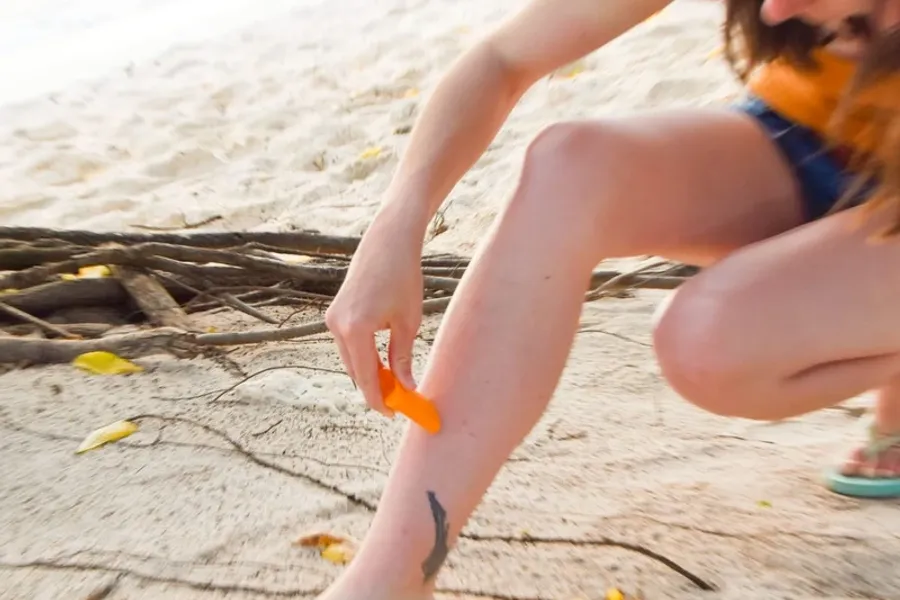
Health Tips for the Marshall Islands
The Marshall Islands presents a few environmental hazards but relatively few diseases. Like travelling anywhere in the world, it is sensible to keep your travel vaccinations up to date and prepare a first aid kit for injuries or minor health issues that might occur.
See our advice in What Medication to Pack in Your First Aid Kit for the Marshall Islands and Do You Need Vaccines to Travel to the Marshall Islands?
Medical Issues That Can Occur in the Marshall Islands
The most common medical issues that can occur in the Marshall Islands are sunburn, heatstroke, mosquito bites and coral cuts. These are usually easy to keep in check with a few simple precautions.
Other medical issues may occur from drinking water and eating contaminated food, which we cover in our Food and Water Hygiene section.
Heatstroke
Overexposure to the sun and high humidity can lead to heatstroke. Symptoms include exhaustion, confusion, headaches and vomiting.
To reduce the risk, wear high-factor sunscreen, reapply it every three hours or immediately after swimming and drink plenty of safe water.
If symptoms occur, move out of the sun immediately and cool the person down with wet towels. Seek medical assistance as soon as possible.
For more sun protection tips, check out The Best Sunscreens for the Marshall Islands + Sun Protection Tips.
Mosquito Bites
Mosquitoes can leave an irritating bite, which is enough to put a dampener on an evening outdoors. More importantly, day-biting mosquitoes can transmit dengue fever and chikungunya.
Use insect repellent, wear lightweight clothing that covers exposed skin and stay somewhere with window screens, mosquito nets or air conditioning where possible.
Check out 10 Ways to Avoid Mosquito Bites in the Marshall Islands for more ways to prevent bites.
Ciguatera
Ciguatera is fish poisoning caused by eating reef fish that have consumed certain types of toxic algae. Symptoms can occur within 24 hours and include vomiting, diarrhoea, numbness in the fingers and an unusual reversal of hot and cold sensations.
The best way to prevent ciguatera is to avoid large reef fish known locally to carry a higher risk. Do not eat the head, liver, eggs or internal organs, and remember that cooking or freezing does not destroy the toxin.
Deep-sea fish, such as tuna, are generally considered a safer option.
Coral Cuts
Cuts from live coral can lead to prolonged infections, so get out of the water immediately if you are injured. Clean the wound thoroughly, remove any visible pieces of coral, apply antiseptic cream and cover it with a clean dressing.
Seek medical advice if the cut becomes red, swollen or increasingly painful. You should have everything you need to treat minor cuts in your Marshall Islands First Aid Kit.
Diving Decompression
Scuba diving is a popular activity in the Marshall Islands, but ignoring depth and timing limits can result in decompression illness, otherwise known as “the bends”.
There is no decompression chamber in the Marshall Islands (or, at least, we were told at the one at Majuro Hospital is not operating). Divers should follow conservative dive profiles, leave enough time before flying and make sure their travel insurance covers emergency medical evacuation.
-SEB%20CREDIT%20MarshallIslandsPocketGuide.com-900x601.webp?v=2026-07-08T19%3A46%3A01.631Z)
Infectious Diseases
Dengue Fever
Dengue fever is a mosquito-transmitted disease that occurs regularly in the Marshall Islands. A nationwide outbreak took place between 2019 and 2021, so taking mosquito precautions is particularly important.
Only infected mosquitoes spread dengue, with the greatest risk generally coming from day-biting mosquitoes. Symptoms can include fever, severe headaches, joint pain, nausea and a rash.
During outbreaks, health checks and travel restrictions may be introduced at airports, ports and inter-island departure points to reduce the risk of dengue reaching unaffected atolls.
See 10 Ways to Avoid Mosquito Bites in the Marshall Islands for practical prevention tips.
Chikungunya
Similar to dengue fever, chikungunya is another mosquito-transmitted disease spread by day-biting mosquitoes. The Marshall Islands experienced a large-scale outbreak in 2014 and 2015, so further cases remain possible.
Symptoms can include fever, rash and severe joint pain. There is no specific treatment, so sensible mosquito avoidance is recommended.
E.coli (Traveller’s Diarrhoea)
E.coli is a virus resulting from food and water that is contaminated with faecal matter, for instance. Precautions to take include boiling water for at least 10 minutes if the water is not from a safe source and washing hands regularly.
See Is the Water Safe to Drink in the Marshall Islands? for more tips.
Symptoms include fever, drowsiness and diarrhoea. If symptoms occur, hydrate by taking small sips of fluids continuously, alternating between electrolytes and water.
If you don’t have an electrolyte solution, drink Coca-Cola or salty broth. In most cases, you will need to wait out the symptoms, as antibiotics rarely treat E-coli effectively.
COVID-19
The COVID-19 virus has been present in the Marshall Islands. Symptoms are flu-like including fever, cough, tiredness and loss of taste or smell. It is recommended that you are fully vaccinated before travelling to the Marshall Islands.
See Do You Need Vaccines to Travel to the Marshall Islands? for more details.
Typhoid Fever, Meningitis, Measles and Hepatitis A
While rare, typhoid fever, meningitis, measles and hepatitis A are possible health concerns in the Marshall Islands. Typhoid fever has occurred in the past, including cases in Majuro in 2006.
The World Health Organisation (WHO) recommends keeping routine vaccinations up to date and discussing relevant travel vaccinations with your doctor. These may include diphtheria, tetanus, measles, mumps, rubella, polio, hepatitis A and typhoid, regardless of where you are travelling.
Find out more in Do You Need Vaccines to Travel to the Marshall Islands?
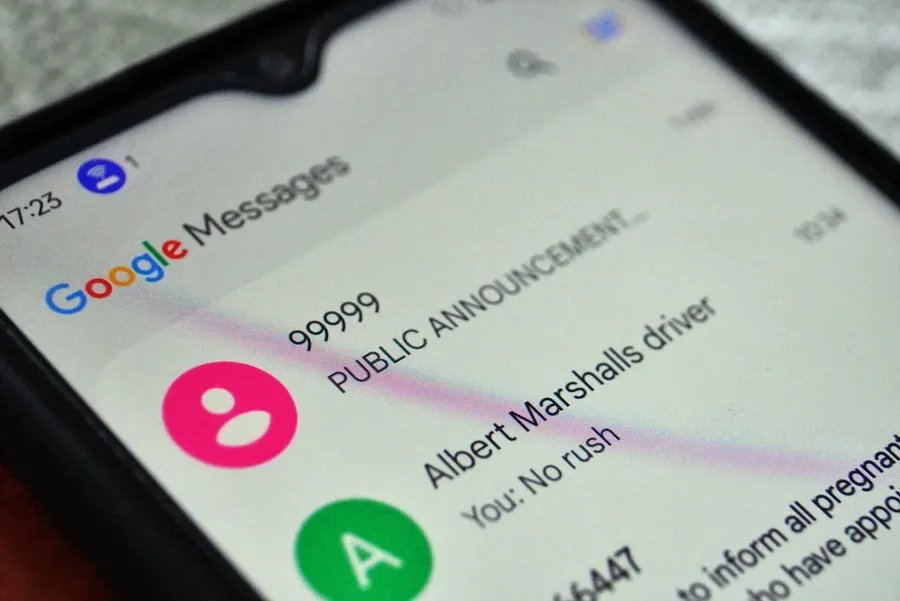
Natural Disasters in the Marshall Islands
Although the Marshall Islands is usually blessed with tropical sunshine, their low-lying position in the Pacific means that it is vulnerable to extreme weather events and natural disasters.
Typhoons
Typhoons and tropical storms are most likely to affect the Marshall Islands from around May to November, although tropical disturbances can occur outside of these months.
Full-strength typhoons are not especially common, but even a weaker storm can bring strong winds, rough seas, storm surges, coastal flooding and travel disruption. Check out Typhoon Safety in the Marshall Islands: How to Prepare for a Typhoon in the Marshall Islands for advice on safety precautions.
Tsunamis
The Marshall Islands is not located directly on a major active plate boundary, but tsunamis caused by large earthquakes elsewhere in the Pacific can still reach its low-lying atolls.
Anyone visiting the Marshall Islands should know how to recognise the natural warning signs of a tsunami and what to do if a warning is issued. The Guide to Earthquakes & Tsunamis in the Marshall Islands will give you some pointers.
Coastal Flooding and Drought
High waves, king tides and storm surges can cause coastal flooding, particularly as much of the Marshall Islands sits only a few metres above sea level. Avoid exposed coastal areas during severe weather and follow instructions from local authorities.
Drought can also affect rainwater supplies, especially on the outer islands. For more information on rainfall, storm seasons and seasonal conditions, see Marshall Islands Weather, Seasons & Climate + Weather by Month.
-U%20CREDIT%20MarshallIslandsPocketGuide.com-900x507.webp?v=2026-07-09T19%3A04%3A36.965Z)
Dangerous Animals in the Marshall Islands
The Marshall Islands has few dangerous land animals, but there are venomous marine creatures and other animals that you are best to avoid. These include:
- Aedes aegypti - The day-biting mosquito that can transmit dengue fever and zika
- Dogs - Stray dogs are common in populated areas such as Majuro and may become territorial
- Sharks - Usually not aggressive, but take extra care when spearfishing or when bait is in the water
- Stonefish - Camouflaged fish with venomous dorsal spines that can cause severe pain
- Cone snails - Attractive shells containing a venomous dart, so never pick up a live cone shell
- Crown-of-thorns starfish - Covered in sharp venomous spines that can cause painful puncture wounds
- Fire coral - Not a true coral but a stinging marine animal that can cause burning pain and a lasting rash
- Lionfish - Venomous fish with spines that leave a painful sting
- Jellyfish and Portuguese man o’ war - Can cause painful stings and, in some cases, a severe allergic reaction
Wear reef shoes when walking in shallow water, avoid touching marine life and never handle shells unless you are certain they are empty. Seek medical help immediately after a stonefish or cone snail sting, or if any sting causes breathing difficulties, severe swelling or worsening pain.
For more information about the wildlife you may encounter, check out Wildlife in the Marshall Islands: Animals in the Marshall Islands & Where to See Them.
-BI%20CREDIT%20MarshallIslandsPocketGuide.com.webp?v=2026-07-13T21%3A41%3A50.691Z)
Food and Water Hygiene
Food and water in the Marshall Islands are generally safe and readily available, but you should not drink from just any tap. Basic travel-health rules are worth keeping in mind, so we go over a few food and water hygiene tips for the Marshall Islands here.
Know What Water Is Safe to Drink
Tap water should not be assumed to be safe to drink. Hotels and guesthouses normally let guests know where to get safe drinking water, but always ask where the filtered supply is located (as it is not from your bathroom tap).
Bottled water is readily available to buy, while water refill stations can also be found around Majuro. Bringing a reusable bottle is therefore a handy way to stay hydrated without building a small mountain of plastic bottles.
To avoid water-borne illnesses, such as traveller’s diarrhoea, take precautions like boiling water for around 10 minutes before drinking it when its safety is uncertain. Water purifying tablets and Lifestraw bottles are also effective, but boiling water is the safest option.
See Is the Water Safe to Drink in the Marshall Islands? for much more of a deep dive into the subject.
Focus on Hygiene, Especially on the Outer Islands
Staying on an outer island or with a local family can be an enriching cultural experience, but facilities and hygiene standards may be different from what you are used to. Wash your hands regularly or use hand sanitiser, especially before eating.
In the unlikely event that you start feeling ill, act quickly and seek medical attention. Medical services are more limited outside the main population centres, so it is better not to let a minor problem become a major travel story.
Be Aware of Food Safety
Eating in restaurants or at tourist accommodation is usually safe in the Marshall Islands. However, if you are eating from roadside barbecues, markets or small local food stalls, there are a few things to keep in mind.
In areas where the water supply may be unsafe, avoid salads or uncooked food that could have been washed in contaminated water. Preferably, eat food that has been thoroughly cooked in front of you.
To avoid stomach bugs, use hand sanitiser and choose freshly cooked food. If you get diarrhoea, drink safe water regularly and alternate between water and electrolytes; if other symptoms occur, see a doctor.
Finally, reduce the risk of salmonella by avoiding runny eggs and undercooked meat. If you notice blood in your stool, seek medical attention immediately.
Travellers with gluten intolerance can get more advice from The Gluten-Free Guide to the Marshall Islands.
-BI%20CREDIT%20MarshallIslandsPocketGuide.com-900x601.webp?v=2026-07-08T19%3A46%3A04.475Z)
Hospitals, Medical Centres and Pharmacies in the Marshall Islands
If you have health issues or serious injuries while in the Marshall Islands, there are two main hospitals: Majuro Hospital on Majuro Atoll and Ebeye Hospital on Kwajalein Atoll. There are also several community clinics, while basic over-the-counter medical supplies can be bought at supermarkets and some convenience stores.
Note that the phone number in an emergency is 911.
Pharmacies in the Marshall Islands
- Majuro Hospital Pharmacy, Delap Back Road, Delap, Majuro Atoll (The clinic entrance is along the road beside the International Convention Centre)
- Ebeye Hospital Pharmacy, Ebeye, Kwajalein Atoll
Prescription medication at Majuro Hospital is supplied after a consultation with a doctor, so visitors cannot simply walk up to the pharmacy counter to purchase prescription medicine. Ebeye Hospital also provides pharmacy services as part of its hospital facilities.
Basic over-the-counter medication and first aid supplies are available from supermarkets and convenience stores. EZ Price Mart, Lagoon Road, Uliga, has one of the widest selections, while K&K Island Pride Supermarket has a smaller pharmacy section.
We recommend bringing enough prescription medication for your entire trip. See What Medication to Pack in Your First Aid Kit for the Marshall Islands for advice.
Medical Centres and Hospitals in the Marshall Islands
- Majuro Hospital, Delap Back Road, Delap, Majuro Atoll (Emergency turn-off next to K&K Island Pride Supermarket. General parking is farther along the road beside the International Convention Centre)
- Ebeye Hospital, Ebeye, Kwajalein Atoll
- Laura Clinic, between Lagoon Road and Ocean Road, Laura, Majuro Atoll (Approximately 900 m (984 yards) south of Laura Ball Field)
- Woja Clinic, Lagoon Road, Woja, Majuro Atoll (Next to Woja Elementary School)
Majuro Hospital has emergency doctors available 24/7, while routine consultations at its clinic are available from 8 am to 5 pm Monday to Friday and during the afternoon on weekends.
Ebeye Hospital's services include emergency care, outpatient care, diagnostic imaging, laboratory testing, pharmacy services and surgical procedures.
Medical facilities become more basic on the outer islands. Serious illnesses and injuries may require transfer to Majuro, Ebeye or overseas, so comprehensive travel insurance covering medical evacuation is strongly recommended.
For more practical information about finding medicine and healthcare on Majuro, see Information, Shops & Services on Majuro. You can also find official information through the Ebeye Hospital page.
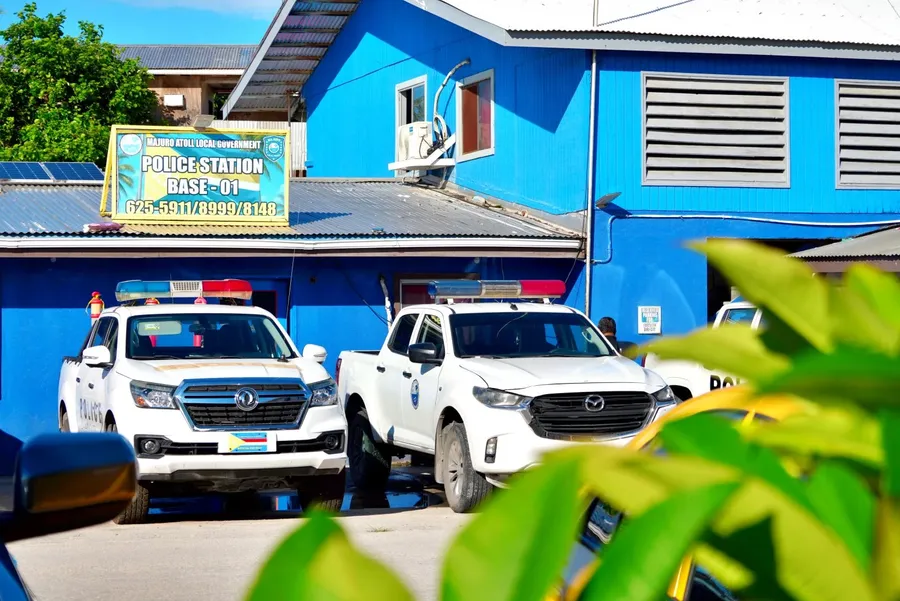
Crimes Against Tourists in the Marshall Islands
The Marshall Islands is generally safe when it comes to crime, while organised criminal activity presents little direct risk to most visitors. However, there is occasional petty crime, particularly when valuables are left unattended or clearly on display.
Theft in the Marshall Islands
Take the usual precautions with your belongings. Do not leave phones, wallets, cameras or bags unattended at beaches, accommodation, restaurants or other public places.
When travelling by car or taxi, take valuables with you rather than leaving them visible inside the vehicle. Keep passports, spare cash and other important documents somewhere secure at your accommodation.
In short, theft is not something to be overly concerned about in the Marshall Islands, but a little common sense goes a long way.
Nightlife Safety
Bars and nightclubs in Majuro can become busy and rowdy later in the evening, particularly at weekends. Local nightclubs usually get going at around 10 pm and may remain open until 2 am.
Visit busier local venues with a group rather than alone, keep an eye on your drink and avoid carrying more cash than you need. Solo travellers, particularly women, should avoid walking alone through unfamiliar areas late at night.
Taxis generally continue operating until around 2 am to 3 am when clubs close.
Avoid drinking alcohol publicly in the street. If you encounter someone behaving aggressively or appearing distressed, do not engage; keep moving and seek assistance from a nearby business.
More advice on the subject can be found in The Ultimate Guide to the Majuro & Marshall Islands Nightlife.
Police Stations on Majuro
Call 911 if you need emergency assistance. Police stations on Majuro include:
- National Police Station, 90 Delap Main Road, Uliga, Majuro Atoll
- Delap Police Sub-Station, Delap, Majuro Atoll (Behind Majuro Computer Services)
For more useful addresses and everyday services, see Information, Shops & Services on Majuro.
-SEB%20CREDIT%20MarshallIslandsPocketGuide.com-900x633.webp?v=2026-07-09T19%3A00%3A50.918Z)
Water Safety in the Marshall Islands
Water activities are a highlight of the Marshall Islands, but precautions should be taken when out swimming.
Not all beaches and lagoon shores are suitable for swimming, so you should always seek advice before heading out. Snorkelling can also be difficult at low tide, when shallow coral increases the risk of cuts and uncomfortable encounters with marine life.
Most importantly, swimmers should be wary of currents and tidal changes, particularly the swift movement of water through passages connecting the lagoon with the ocean. Avoid swimming in or close to lagoon passages unless you are accompanied by a knowledgeable local guide or experienced operator.
Passages can often be spotted from shore as channels of darker, deeper water extending through the reef. Conditions may look calm on the surface while strong currents are moving underneath, so this is not the place to test your Olympic ambitions.
The ocean sides of the atolls are generally more exposed to waves, swell and unpredictable currents than the lagoon sides. Check the tide, wind, swell and general weather conditions before entering the water, and always ask locals about safe swimming spots, especially on unfamiliar or outer atolls.
On Majuro, check recent marine water-quality results or local notices before swimming, particularly after heavy rain, such as on the EPA Facebook Page or the Marshall Islands Journal, available at most hotels. Drainage runoff can temporarily reduce water quality, so avoid discoloured water, visible pollution and areas close to drainage outlets.
Finally, never swim alone and always seek local advice on conditions. For advice on suitable snorkelling locations and the best times to visit them, see The Best Snorkelling in the Marshall Islands: Top Places to Snorkel.
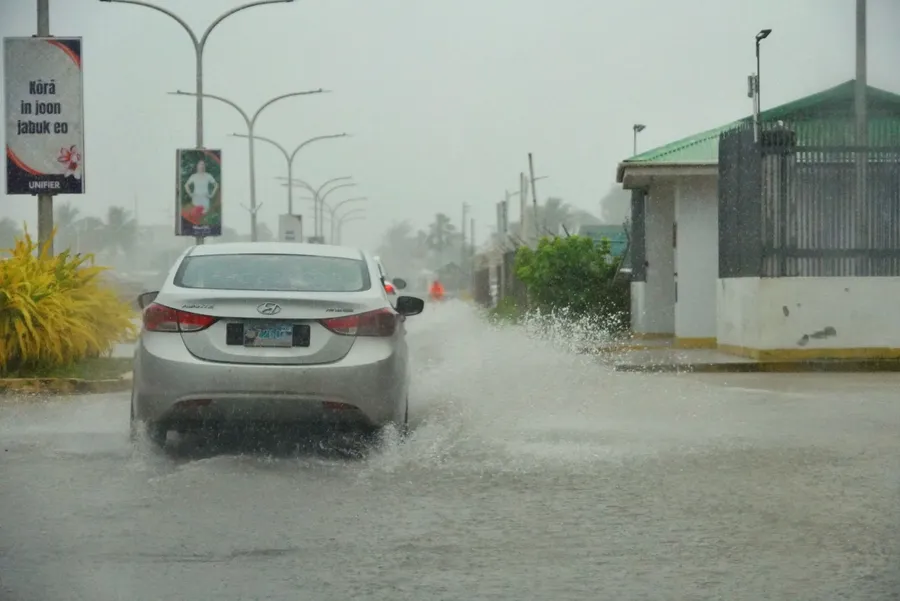
Road Safety in the Marshall Islands
The final danger or potential hazard in the Marshall Islands is the roads. Although speed limits are low and the main roads on Majuro are generally in good condition, accidents can happen, particularly where pedestrians, children and dogs share the roadside due to the lack of footpaths. Some safety tips for driving in the Marshall Islands include:
- Take it easy and stick to the speed limit
- Remember to drive on the right side of the road
- Watch out for children, pedestrians and dogs sharing the road
- Give way to pedestrians at marked and unmarked crossings
- Wear a helmet when riding a scooter
- Take extra care after heavy rain, when parts of the road may flood
- Never drive through floodwater when its depth is unclear
- Do not park under coconut trees
- Wear your seatbelt, even if others do not
The speed limit is 15 mph (24 kph) near schools during opening and closing times, churches on Sunday mornings and public processions. It is 25 mph (40 kph) in business and residential areas and 40 mph (64 kph) elsewhere unless signs indicate otherwise.
We have more information on road conditions, driving licences and local rules in How to Drive in the Marshall Islands + 10 Road Rules You Need to Know.
%20CREDIT%20TongaPocketGuide.com-900x600.webp?v=2026-06-25T23%3A01%3A43.382Z)
Medical and Travel Insurance for the Marshall Islands
The Marshall Islands has hospitals on Majuro and Ebeye, but the more remote areas have only basic health services or none at all, let's be honest.
If your regular health insurance does not cover international travel, it’s highly recommended to purchase travel insurance. A good policy for the Marshall Islands should include coverage for theft, illness and injury.
If you plan to participate in activities such as snorkelling, scuba diving or surfing, consider adding coverage for evacuation and adventure sports, as medical facilities in the territory are limited and serious emergencies may require transfer to regional hospitals.
Travel Protection Membership
The most comprehensive travel protection we've found is Global Rescue, which not only acts as a personal assistant for your health and safety, handling everything from expediting replacement of a lost passport to medical guidance, but even manages rescue and medical evacuation, should the worst occur.
Check out our Exclusive Deal with Global Rescue to gain one of the world's most comprehensive travel protection memberships.
More About Health and Safety in the Marshall Islands
That's it for our complete guide to health and safety in the Marshall Islands. For Marshall Islands safety tips, check out the following guides:
- The Best Reef-Safe Sunscreens for the Marshall Islands
- 25 Tips for Your Family Marshall Islands Vacation with Kids
- 30 Ways to Travel More Sustainably in the Marshall Islands
Finally, get all the travel tips you need for the Marshall Islands from The Complete Travel Guide to the Marshall Islands and the 30 Tips for Travelling in the Marshall Islands.

-SEB%20CREDIT%20MarshallIslandsPocketGuide.com-900x633.webp?v=2026-07-23T03%3A25%3A07.979Z)