-IC%26C%20CREDIT%20MarshallIslandsPocketGuide.com.webp?v=2026-07-07T21%3A08%3A49.715Z)
A Guide to the Weather and Climate in the Marshall Islands
What's the weather like in the Marshall Islands? With a tropical oceanic climate, the atolls enjoy hot temperatures, warm lagoon waters and strong sunshine year-round, but also get plenty of tropical showers. What's more, rainfall can vary between the northern and southern atolls, while breezes, humidity and sea conditions can make a big difference to travel between islands.
This comprehensive guide explores the Marshall Islands' annual weather patterns, drier and wetter seasons and detailed month-by-month climate to help you plan the perfect island escape.
Before you go, be sure to pack appropriately by checking out our What to Pack for the Marshall Islands: the Marshall Islands Packing List.
This article is based on real on-the-ground research, not on AI scraping old content from the internet. Learn how we use AI!
Table of Contents
The Seasons in the Marshall Islands
The Marshall Islands has a tropical oceanic climate with consistently hot temperatures, high humidity, warm lagoon waters and rainfall throughout the year. Rather than four distinct seasons, the country is usually described by its dry and wet periods. The dry months typically fall between December and April, while the wet months span from May to November. The seasonal breakdown is as follows:
Dry season: December to April
Wet season: May to November
Keep in mind that the Marshall Islands can still experience showers during the dry season, while the wet season doesn’t mean rain every single day. Rainfall can also vary by atoll, with the northern atolls generally drier than the southern atolls.
Marshall Islands Year-Round Weather: What is the Annual Climate?
Marshall Islands Average Monthly Weather Data
Note: Although there are "busier" and "quieter" seasons in the Marshall Islands, the country certainly isn't swarming with tourists. Learn more about the tourist seasons, or lack thereof, in The Best Time to Visit the Marshall Islands: A Month-by-Month Guide.
The Temperature in the Marshall Islands
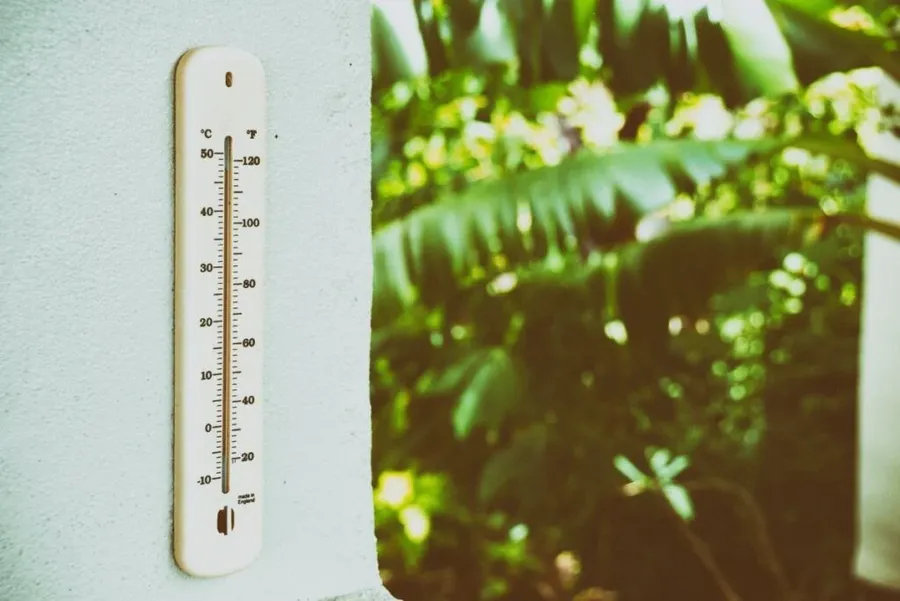
The Marshall Islands enjoys hot, tropical temperatures year-round due to its location near the Equator in the central Pacific. There is very little variation in both air and sea temperatures throughout the year, with humidity, rainfall and breezes making more of a difference to how the weather feels than the actual temperature itself.
Daytime highs typically average around 86°F (30°C) throughout the year, while night-time lows usually sit around 77°F (25°C). The sea also stays warm, generally around 82-84°F (28-29°C), making swimming, snorkelling and lagoon activities comfortable in most months.
In short, the Marshall Islands doesn’t really do “cool weather”. It does hot, humid, breezy, sunny, showery and sometimes all of those before lunch.
Marshall Islands Year-Round Temperature: What Is the Average Temperature in the Marshall Islands?
The average maximum temperature in the Marshall Islands is around 86°F (30°C), while the average minimum is around 77°F (25°C). The average temperature in the Marshall Islands hovers around 82°F (28°C) year-round.
Scroll down for temperature listings for each month in the Marshall Islands.
-U%20CREDIT%20MarshallIslandsPocketGuide.com.webp?v=2026-07-09T18%3A46%3A49.052Z)
The Sea Temperature in the Marshall Islands
Like its air temperature, the sea temperature in the Marshall Islands stays reliably warm throughout the year.
With its tropical lagoon setting, the water is inviting for swimming, snorkelling, diving and lagoon trips in just about every month. Average sea temperatures generally sit around 82-84°F (28-29°C), so you’re unlikely to need much convincing to get in the water.
The warmest water temperatures are typically felt from around June to December, when the sea temperature sits at about 84°F (29°C).
Even during the slightly cooler months earlier in the year, the sea remains beautifully warm, with average temperatures around 82°F (28°C).
Scroll down to see monthly sea temperatures in the Marshall Islands in our detailed weather guides.
-SEB%20CREDIT%20MarshallIslandsPocketGuide.com-900x601.webp?v=2026-07-25T02%3A30%3A03.743Z)
Rainfall in the Marshall Islands
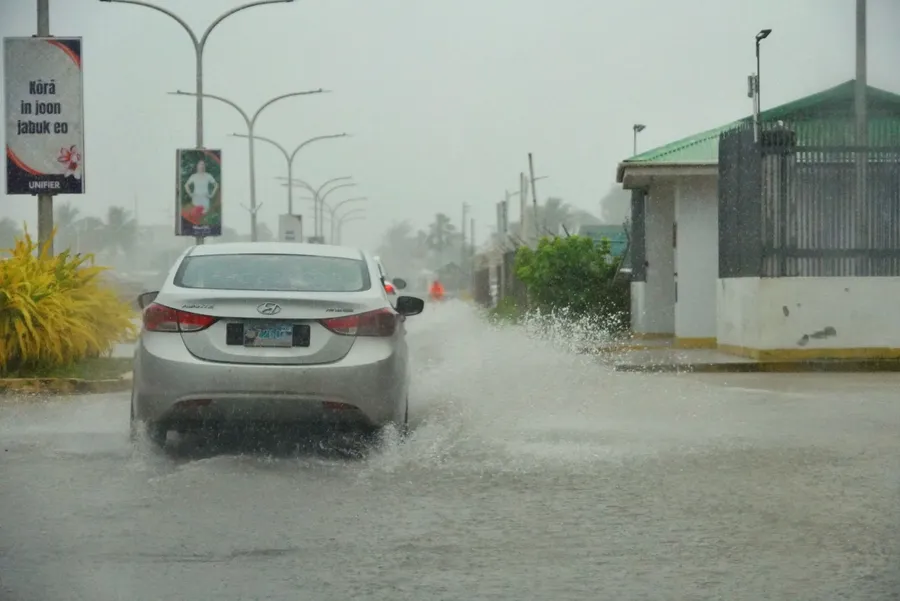
Don’t be too swayed by the labels “dry” and “wet” season; rainfall in the Marshall Islands is possible throughout the year. These low-lying coral atolls have a tropical oceanic climate, so showers can roll through even during the dry months.
As expected, the wet season from May to November brings the heaviest and most frequent rainfall, especially in months like September, October and November. Around Majuro, monthly rainfall during this period typically sits around 9.8-12.1 in (248-307 mm), with rain falling on roughly 16 to 19 days of the month.
During the dry season from December to April, the Marshall Islands is generally more settled, especially in the earlier months of the year. That said, “dry” does not mean dry. Showers are still common, and transitional months such as April and December can still bring plenty of rain.
Rainfall also varies across the Marshall Islands. The northern atolls are generally drier than the southern atolls, while Majuro, in the south, tends to be one of the wetter main visitor areas. In practical terms, this means you should pack for both sunshine and showers no matter when you visit (the tropics do enjoy keeping travellers on their toes).
-IC%26C%20CREDIT%20MarshallIslandsPocketGuide.com-900x601.webp?v=2026-07-07T21%3A08%3A49.715Z)
Daylight and Sunshine Hours in the Marshall Islands
The Marshall Islands enjoys fairly consistent daylight hours throughout the year thanks to its tropical location near the Equator. Most months see around 12 hours of daylight per day, with only small seasonal changes.
Daylight is slightly longer around the middle of the year, with June averaging about 13 hours of daylight per day in Majuro. For the rest of the year, daylight generally sits close to 12 hours daily, giving travellers plenty of time for lagoon trips, beach walks and exploring between showers.
How Sunny is it in the Marshall Islands?
Sunshine-wise, the Marshall Islands still gets bright spells even during wetter months. Based on Majuro's long-term averages, sunshine usually ranges from around six to eight hours per day, depending on the month.
The sunniest months are typically around August, with about 8 hours of sunshine per day, while cloudier months such as November and December average around 6 hours of sunshine daily. Even then, the tropical UV remains strong, so sun protection is essential whether the sky looks clear or cloudy.
Is the Marshall Islands Cloudy?
The Marshall Islands is predominantly cloudy year-round, with overcast or mostly cloudy conditions averaging between 75% and 85% of the time. The cloudiest period falls in the late summer and autumn, typically peaking in October and November, when overcast or mostly cloudy skies appear roughly 85% of the time.
If you're after the clearest conditions, aim for March, which is the brightest month (even then, clear or partly cloudy skies only account for about 23% of the time, so don't bin the sunscreen just yet).
Severe Weather Evevnts
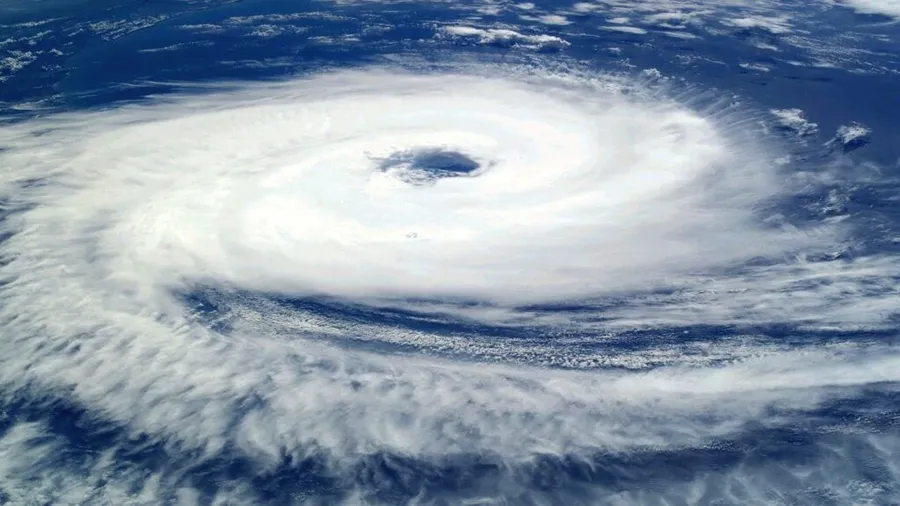
The Marshall Islands sits in the North Pacific typhoon region, so it can be affected by tropical depressions, tropical storms and typhoons, especially during the wet months from around May to November. The highest-risk period can vary from year to year, and storm activity may be influenced by wider climate patterns such as El Niño.
Severe storms are not something most visitors will experience, but tropical weather can still bring heavy rain, squally winds, rough seas, coastal flooding and disruption to flights or boat transfers. Because the Marshall Islands is made up of low-lying coral atolls, storm surge, king tides and wave-driven flooding can be just as concerning as strong winds.
The country has been affected by several named systems over the years, including Typhoon Alice (1979), Tropical Storm Zelda (1991), Tropical Storm Axel (1992), Typhoon Paka (1997), Tropical Storm Bavi (2015), Typhoon Nangka (2015) and Tropical Depression Amang (2019). Impacts have varied by system and location, ranging from heavy rain, high surf and transport disruption to damage in exposed atolls.
Whilst severe typhoons are not an everyday travel concern, it’s worth taking forecasts seriously if you’re visiting during the wetter season. For peace of mind, check local weather updates regularly, follow marine warnings and read our Typhoon Safety in the Marshall Islands: How to Prepare for a Typhoon in the Marshall Islands before travelling.
Marshall Islands Weather by Month
-SEB%20CREDIT%20MarshallIslandsPocketGuide.com-900x601.webp?v=2026-07-10T20%3A41%3A08.856Z)
January Weather in the Marshall Islands
The year begins hot, humid and showery in the Marshall Islands, with plenty of tropical warmth and regular rainfall. January sits in the dry season, but don’t let that label get too cosy; showers are still common and can roll through quickly between sunny spells.
It’s a good month for lagoon trips, beach walks and snorkelling, especially if you keep plans flexible around passing rain. With warm seas and strong UV, sun protection is still essential, even when clouds are doing their best to look helpful.
Average temperature: 86°F (30°C) in the day, 77°F (25°C) at night
Average sea temperature: 82°F (28°C)
Average rainfall: 7.4 in (189 mm)
Daylight hours: 12 hours
For more in-depth information, see our complete guide to Marshall Islands Weather in January.

February Weather in the Marshall Islands
February is one of the dry months in the Marshall Islands, although the weather is still hot, humid and unmistakably tropical. Expect warm days, balmy nights, bright spells and the occasional tropical shower to keep everything fresh.
With warm lagoon waters and good sunshine hours, February is a practical month for snorkelling, diving, lagoon trips and beach time. Just remember that “dry” in the Marshall Islands still means packing for rain as well as sunshine.
Average temperature: 86°F (30°C) in the day, 77°F (25°C) at night
Average sea temperature: 82°F (28°C)
Average rainfall: 5.5 in (140 mm)
Daylight hours: 12 hours
For more in-depth information, see our complete guide to Marshall Islands Weather in February.
-IC%26C%20CREDIT%20MarshallIslandsPocketGuide.com-900x601.webp?v=2026-07-09T18%3A48%3A42.332Z)
March Weather in the Marshall Islands
March continues the dry-season pattern in the Marshall Islands, bringing hot temperatures, high humidity and a fair amount of sunshine. Rain is still possible on many days, but monthly rainfall remains lower than in the wetter months later in the year.
This can be a good time to enjoy lagoon-based activities, cultural stops and relaxed beach days before rainfall starts to climb more noticeably in April and May. As always, keep an eye on local conditions if you’re planning boat transfers or outer-atoll travel.
Average temperature: 86°F (30°C) in the day, 77°F (25°C) at night
Average sea temperature: 82°F (28°C)
Average rainfall: 6.9 in (174 mm)
Daylight hours: 12 hours
For more in-depth information, see our complete guide to Marshall Islands Weather in March.
April Weather in the Marshall Islands
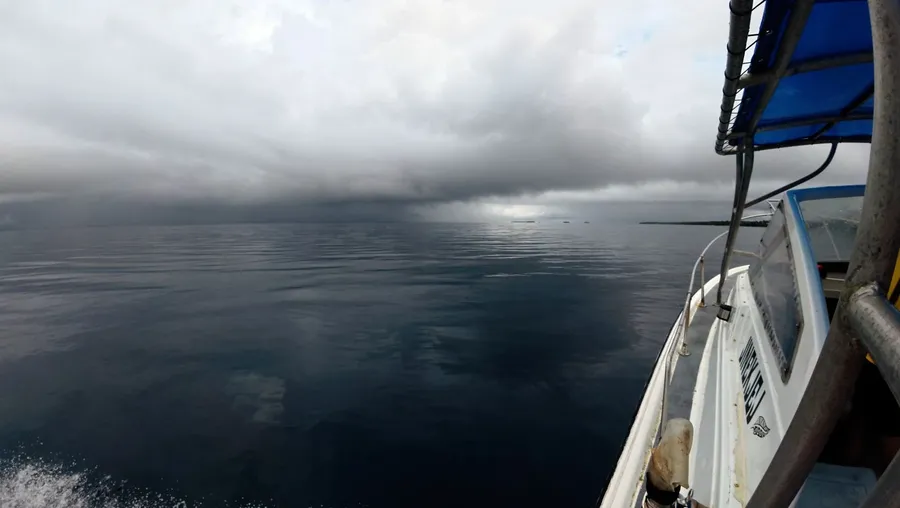
April is still hot and humid in the Marshall Islands, but rainfall starts to climb compared with the earlier drier-season months. Expect a mix of warm sunshine, tropical showers and warm lagoon waters that remain inviting for swimming, snorkelling and diving.
It’s still a rewarding month to visit, especially if you’re happy to plan around passing showers. If you’re travelling between atolls, avoid scheduling boat trips or local flights too tightly around onward connections.
Average temperature: 86°F (30°C) in the day, 77°F (25°C) at night
Average sea temperature: 82°F (28°C)
Average rainfall: 9.1 in (231 mm)
Daylight hours: 12 hours
For more in-depth information, see our complete guide to Marshall Islands Weather in April.
%20CREDIT%20MarshallIslandsPocketGuide.com.webp?v=2026-07-09T18%3A27%3A40.113Z)
May Weather in the Marshall Islands
May marks the beginning of the wetter stretch of the year in the Marshall Islands, with rainfall becoming more noticeable while temperatures stay reliably hot. Humidity is high, the sea is warm and showers are part of the travel picture.
That said, May still brings enough sunshine for lagoon trips, beach walks, snorkelling and diving. A dry bag, reef-safe sunscreen and a flexible itinerary are your best travel companions here (and they complain less than wet shoes).
Average temperature: 86°F (30°C) in the day, 77°F (25°C) at night
Average sea temperature: 82°F (28°C)
Average rainfall: 9.8 in (248 mm)
Daylight hours: 12 hours
For more in-depth information, see our complete guide to Marshall Islands Weather in May.
-S%20CREDIT%20MarshallIslandsPocketGuide.com-900x601.webp?v=2026-07-09T18%3A47%3A00.510Z)
June Weather in the Marshall Islands
June is hot, humid and increasingly showery in the Marshall Islands, with warm seas and a slightly longer daylight window. Rainfall is higher than in the earlier months of the year, but showers often pass through quickly enough to leave room for sunshine.
It’s a good month to plan outdoor activities earlier in the day, then keep the hotter, stickier afternoon hours for shade, lunch or slower exploring. For boat trips and outer-atoll travel, local weather advice is your friend.
Average temperature: 86°F (30°C) in the day, 77°F (25°C) at night
Average sea temperature: 84°F (29°C)
Average rainfall: 10.4 in (264 mm)
Daylight hours: 13 hours
For more in-depth information, see our complete guide to Marshall Islands Weather in June.
-S%20CREDIT%20MarshallIslandsPocketGuide.com-900x601.webp?v=2026-07-08T19%3A47%3A27.624Z)
July Weather in the Marshall Islands
July keeps things hot, humid and very tropical in the Marshall Islands, with frequent showers and warm lagoon waters. Rainfall is now firmly in wetter-season territory, so flexibility is important if your plans involve boats, diving days or travel between atolls.
There are still bright spells for snorkelling, beach walks and lagoon activities, but it’s worth packing for sudden changes in weather. In other words, don’t let one sunny morning convince you to leave the rain jacket behind.
Average temperature: 86°F (30°C) in the day, 77°F (25°C) at night
Average sea temperature: 84°F (29°C)
Average rainfall: 11.3 in (288 mm)
Daylight hours: 12 hours
For more in-depth information, see our complete guide to Marshall Islands Weather in July.
%20CREDIT%20MarshallIslandsPocketGuide.com-900x507.webp?v=2026-07-09T18%3A28%3A40.815Z)
August Weather in the Marshall Islands
August remains hot, humid and showery in the Marshall Islands, but it also brings some of the better sunshine totals of the wetter season. Expect a mix of bright spells, cloud, showers and very warm lagoon waters.
This can still be a rewarding month for beach days, snorkelling, diving and lagoon trips, provided you stay flexible. If you’re heading out by boat, check conditions locally and keep spare time in the schedule for weather changes.
Average temperature: 86°F (30°C) in the day, 77°F (25°C) at night
Average sea temperature: 84°F (29°C)
Average rainfall: 10.7 in (273 mm)
Daylight hours: 12 hours
For more in-depth information, see our complete guide to Marshall Islands Weather in August.
-SEB%20CREDIT%20MarshallIslandsPocketGuide.com-900x633.webp?v=2026-07-09T18%3A28%3A34.064Z)
September Weather in the Marshall Islands
September is hot, humid and wet in the Marshall Islands, with regular showers, strong UV and warm lagoon waters. It’s one of the rainier months of the year, so travellers should expect a proper tropical mix of sunshine and downpours.
The good news is that rain doesn’t usually mean the whole day is lost. Keep plans flexible, follow local advice for marine conditions and use sunny windows for lagoon trips, diving, snorkelling and beach time.
Average temperature: 86°F (30°C) in the day, 77°F (25°C) at night
Average sea temperature: 84°F (29°C)
Average rainfall: 11.5 in (291 mm)
Daylight hours: 12 hours
For more in-depth information, see our complete guide to Marshall Islands Weather in September.
%20CREDIT%20MarshallIslandsPocketGuide.com-900x507.webp?v=2026-07-09T18%3A24%3A33.585Z)
October Weather in the Marshall Islands
October is one of the wettest months in the Marshall Islands, bringing hot temperatures, high humidity, frequent showers and very warm seas. It’s a month for flexible planning rather than tightly packed itineraries.
Despite the rainfall, there are still sunny spells for exploring, swimming and lagoon-based activities. If you’re planning outer-atoll travel, build in extra time and check local transport conditions carefully, because the weather may have its own calendar.
Average temperature: 86°F (30°C) in the day, 77°F (25°C) at night
Average sea temperature: 84°F (29°C)
Average rainfall: 12.1 in (307 mm)
Daylight hours: 12 hours
For more in-depth information, see our complete guide to Marshall Islands Weather in October.
-S%20CREDIT%20MarshallIslandsPocketGuide.com.webp?v=2026-07-09T18%3A47%3A03.172Z)
November Weather in the Marshall Islands
November remains hot, humid and very showery in the Marshall Islands, with frequent rainfall and warm lagoon waters. Sunshine hours are a little lower than in some earlier months, but there is still enough daylight for relaxed exploring between showers.
This is a month to take marine forecasts seriously, especially if you’re planning diving, lagoon excursions or inter-atoll travel. Pack light, breathable clothing, a dry bag and enough patience to let the weather do its thing.
Average temperature: 86°F (30°C) in the day, 77°F (25°C) at night
Average sea temperature: 84°F (29°C)
Average rainfall: 11.7 in (297 mm)
Daylight hours: 12 hours
For more in-depth information, see our complete guide to Marshall Islands Weather in November.
%20CREDIT%20MarshallIslandsPocketGuide.com-900x601.webp?v=2026-07-07T21%3A07%3A29.154Z)
December Weather in the Marshall Islands
December is hot, humid and wet in the Marshall Islands, with frequent showers, strong UV and beautifully warm seas. It sits at the tail end of the wetter season, although rainfall is still very much part of the month.
The festive period can be a memorable time to visit, especially if you’re staying somewhere with easy access to food, transport and weather-flexible activities. For beach days, snorkelling and lagoon trips, watch the forecast, take local advice and make the most of the sunny breaks.
Average temperature: 86°F (30°C) in the day, 77°F (25°C) at night
Average sea temperature: 84°F (29°C)
Average rainfall: 10.7 in (273 mm)
Daylight hours: 12 hours
For more in-depth information, see our complete guide to Marshall Islands Weather in December.
Frequently Asked Questions About the Weather in the Marshall Islands
Now that you know about the weather patterns in the Marshall Islands, here are the answers to the internet's frequently asked questions about the Marshall Islands' climate and weather conditions!
What is the best time to visit the Marshall Islands weather-wise?
The best time to visit the Marshall Islands weather-wise is during the drier season from December to April, with February and March typically offering some of the lower rainfall averages of the year.
Temperatures stay hot and humid year-round, usually around 86°F (30°C) in the day and 77°F (25°C) at night, so the main difference between months is rainfall rather than temperature. Expect warm seas, strong UV and tropical showers no matter when you visit.
For more about the best time to take a tropical holiday, check out The Best Time to Visit the Marshall Islands: A Month-by-Month Guide.
Does the Marshall Islands have a typhoon season?
Yes, the Marshall Islands sits in the North Pacific typhoon region, although the level of risk varies by year and by atoll.
The broader tropical storm risk overlaps most with the wetter months from around May to November. Severe typhoons are not something most visitors will experience, but heavy rain, squally winds, rough seas and transport disruption can still happen, especially if you’re travelling between atolls.
For more information, check out Typhoon Safety in the Marshall Islands: How to Prepare for a Typhoon in the Marshall Islands.
Is the Marshall Islands humid all year round?
Yes, the Marshall Islands is hot and humid throughout the year. Its tropical oceanic climate means warm air, warm seas and high humidity are part of the experience in every month.
Light, breathable clothing, shade breaks and plenty of water are essential, especially when exploring Majuro, heading out on lagoon trips or visiting outer atolls.
What should I pack for the Marshall Islands' weather?
Pack lightweight, breathable clothing, strong sun protection, swimwear, insect repellent, a light rain jacket and a dry bag for boat trips or rainy days.
Reef-safe sunscreen is a must, as the UV index is often Extreme, even when the sky is cloudy. Quick-dry clothing is also useful, because tropical showers can appear quickly (and wet denim is nobody’s travel highlight).
For more information, check out What to Pack for the Marshall Islands: the Marshall Islands Packing List.
Which month has the most rain in the Marshall Islands?
In terms of rainfall, October is usually one of the wettest months in the Marshall Islands, with around 12.1 in (307 mm) of rain on average. There are normally around 19 days in October with some rain.
November and September are also among the wetter months, with rainfall remaining high and showers likely on many days. That said, rain in the Marshall Islands often comes in tropical bursts, so a showery forecast doesn’t always mean the whole day is a write-off.
More About the Weather, Seasons and Climate in the Marshall Islands
That’s it for our complete guide to the weather and climate in the Marshall Islands. Check out the following articles for more travel tips:
- The Best Time to Visit the Marshall Islands: A Month-by-Month Guide
- The Atolls of the Marshall Islands & The Best to Visit
- Where to Stay in the Marshall Islands
- 101 Best Things to Do in the Marshall Islands: The Ultimate List
At last, enjoy a comprehensive guide to planning a trip to the Marshall Islands in The Complete Travel Guide to the Marshall Islands.
-SEB%20CREDIT%20MarshallIslandsPocketGuide.com-900x633.webp?v=2026-07-23T03%3A25%3A07.979Z)