%20CREDIT%20MarshallIslandsPocketGuide.com.webp?v=2026-07-24T23%3A11%3A22.736Z)
What is the Weather Like in Marshall islands in February?
February brings warm tropical weather, steady tradewinds and generally drier conditions to the Marshall Islands. It is an appealing time for enjoying the lagoons, beaches and watersports, although passing showers remain part of the island climate.
So, what should you expect when travelling at this time of year? This guide explains the Marshall Islands weather in February, including temperatures, sunshine, rainfall and tropical storm conditions, along with practical tips on where to visit and what to pack.
Before we jump into this weather guide for February, be sure to bookmark Marshall Islands Weather, Seasons & Climate + Marshall Islands Weather by Month, as well as The Best Time to Visit the Marshall Islands: A Month-by-Month Guide for more advice.
This article is based on real on-the-ground research, not on AI scraping old content from the internet. Learn how we use AI!
Table of Contents
5 Tips for Visiting the Marshall Islands in February
- February is typically warm in the Marshall Islands, so lightweight clothing, a sunhat, sunglasses and high-SPF sunscreen are must-haves. You’ll also want a reusable water bottle because the tropical heat does not play around.
- February falls in the drier part of the year, but this is still the tropics, so short rain showers can happen. Pack a drypack for your valuables when you're out and about.
- Northeast tradewinds are common at this time of year, which can make the heat feel a little more comfortable. If you're planning to surf, kitesurf or wingfoil, February is a great time to do it.
- February is also a great time for fishing the Marshall Islands' year-round pelagics, as described in The Ultimate Guide to Fishing in the Marshall Islands.
- February is generally one of the better months for travel, but wind, swell and showers can still affect boats and domestic flights. Confirm schedules 24 hours before heading to outer islands, because “island time” and weather time are close cousins out here.
-S%20CREDIT%20MarshallIslandsPocketGuide.com-900x601.webp?v=2026-07-08T19%3A47%3A30.858Z)
Typical Temperatures in February
February is hot in the Marshall Islands, with daytime temperatures reaching around 86°F (30°C) and night-time temperatures sitting at about 77°F (25°C). In other words, it’s warm from breakfast to bedtime, so pack light clothing and plan your shade breaks wisely.
Temperatures Across the Marshall Islands
- Majuro - The average maximum temperature is 86°F (30°C) and the minimum average temperature is 77°F (25°C)
- Enewetak - The average maximum temperature is 86°F (30°C) and the minimum average temperature is 77°F (25°C)
- Kwajalein - The average maximum temperature is 86°F (30°C) and the minimum average temperature is 77°F (25°C)
Sea Temperatures in February
The sea is also beautifully warm at around 82°F (28°C), making February a comfortable month for swimming, snorkelling and lagoon-based activities.

Hours of Sun in February
The Marshall Islands gets around 8 hours of bright sunshine per day in February, which works out to about 64% of daylight hours. With roughly 12 hours of daylight each day, there’s still plenty of time for lagoon trips, beach walks and lazy outdoor exploring.
That said, February is not cloud-free. The Marshall Islands is predominantly cloudy year-round, with overcast or mostly cloudy conditions averaging between 75% and 85% of the time. In other words, don't expect perfect conditions for stargazing all of the time.
You can expect some rainfall on around 19 days of the month, so the sunshine often comes between passing showers rather than in one flawless blue-sky stretch (tropical weather likes to keep things interesting).
UV Levels During February
The UV index can reach 11+ (Extreme), so even when clouds drift through, sun protection is essential. Wear sunscreen, cover up where you can and take shade breaks during the middle of the day.
For advice on what sunscreen to wear, see The Best Sunscreens for the Marshall Islands + Sun Protection Tips.
Sunrise and Sunset During February
February has daylight hours lasting about 12 hours a day in the Marshall Islands.
- Sunrise: 6:53 am at the beginning of February and 6:48 am at the end of February
- Sunset: 6:43 pm at the beginning of February and 6:47 pm at the end of February.
Rainfall in February
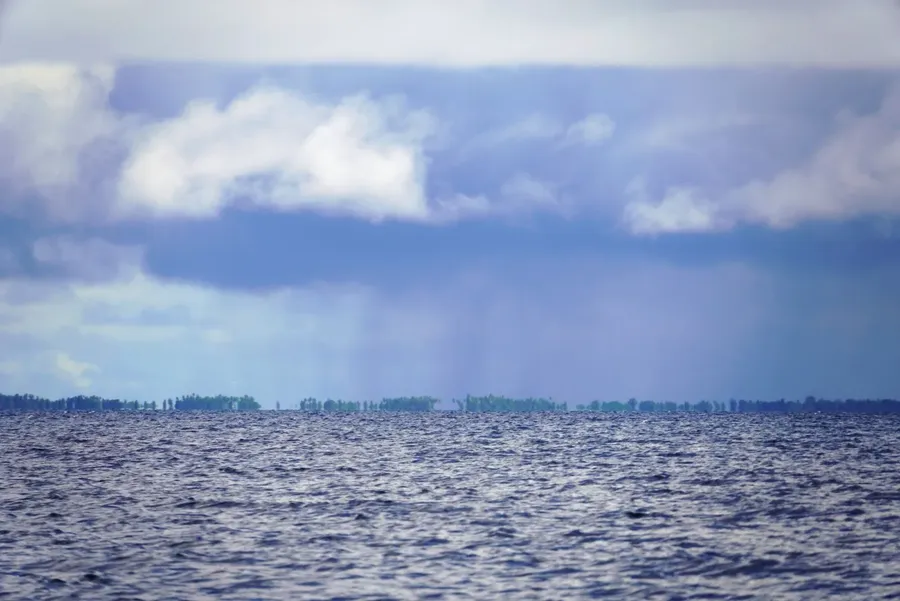
February is a showery month in the Marshall Islands and, we’re not going to beat around the bush, you should still expect rain to make an appearance.
Nevertheless, tropical rainfall patterns are often swift, followed by sunshine, so a rainy morning doesn’t always mean the whole day is a write-off.
If you need a rainy day backup for a couple of hours, check out the ideas in 10 Things to Do in the Marshall Islands on a Rainy Day.
The Marshall Islands receives an average of 5.5 in (140 mm) of rainfall in the month of February, with around 19 days out of February experiencing some rain.
Average Rainfall Across the Marshall Islands
- Majuro - The average rainfall in March is 5.5 in (140 mm)
- Enewetak - The average rainfall in March is 3.9 in (100 mm)
- Kwajalein - The average rainfall in March is 4.8 in (123 mm)
Tropical Storms in February
The Marshall Islands sits in the North Pacific typhoon region and February is generally not part of the main typhoon season.
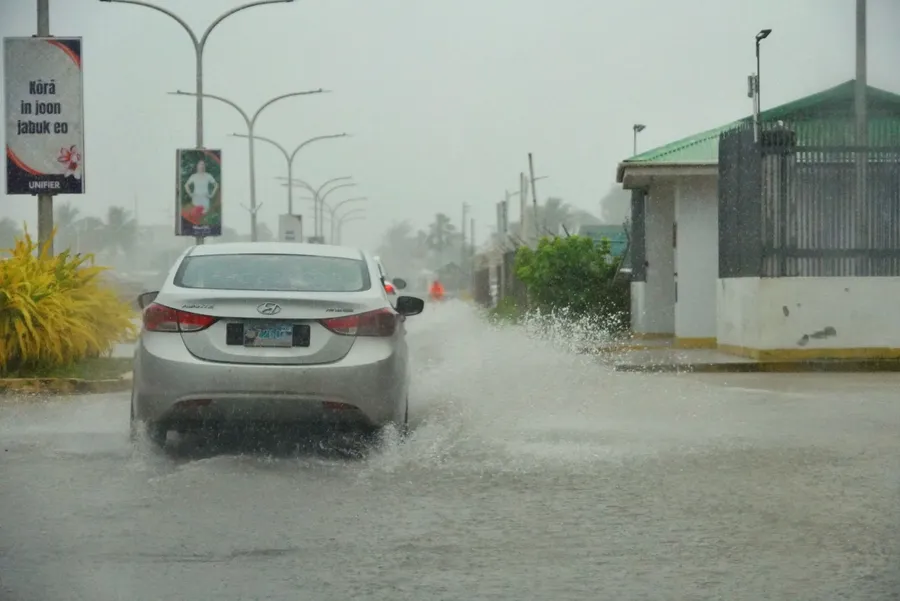
That said, tropical weather can still bring heavy showers, squally winds, rough seas and disruption to boat or flight schedules, especially when travelling between atolls.
Compared with the middle and later parts of the year, February is usually a lower-risk month for severe tropical storms in the Marshall Islands.
However, weather can change quickly in this part of the Pacific, so it’s still worth keeping an eye on local forecasts and taking any marine warnings seriously.
If you want to reduce the chance of weather-related disruption, avoid packing your schedule too tightly around boat trips.
For those planning to travel during February, be aware of what to do if there is a tropical storm or typhoon alert by following our guide, Typhoon Safety in the Marshall Islands: How to Prepare for a Typhoon in the Marshall Islands.
.webp?v=2026-07-13T22%3A03%3A10.824Z)
The Best Places to Visit in Marshall Islands in February
February is one of the drier months in the Marshall Islands, with warm lagoon waters, steady tradewinds and a lower chance of prolonged rain than later in the year. It is a particularly appealing time for watersports, boat trips and attempting an outer-atoll adventure.
You are likely to have a memorable trip wherever you go, but if we had to choose the best places to visit in the Marshall Islands in February, they would be the following.
Ailinglaplap Atoll: February is an excellent time to experience Ailinglaplap Atoll, especially for travellers drawn to surfing, kitesurfing and remote-island life. Northern swells and reliable tradewinds make this one of the better months for catching the atoll’s powerful reef breaks or trying activities such as wing foiling, hydro foiling, fishing and diving.
Most visitors stay at Beran Island Resort, where transport, accommodation and activities are arranged as part of the experience.
Discover more about the conditions and surf season in The Ultimate Guide to Surfing in the Marshall Islands, or compare Ailinglaplap with other remote destinations in The Atolls of the Marshall Islands & The Best to Visit.
Majuro Atoll: For travellers seeking more variety and easier logistics, Majuro Atoll remains one of the best choices in February. Drier conditions make lagoon cruises, snorkelling trips and island day tours more appealing, while museums, murals, markets, restaurants and historic sites provide plenty to do back on land.
Majuro is also the country’s main base for diving, with coral pinnacles, reef sharks and several accessible wreck sites within the lagoon. See how to fill your stay in The Complete Travel Guide to Majuro and 30 Best Things to Do on Majuro.
February Packing List for the Marshall Islands
Be prepared for the Marshall Islands in February by packing these few seasonal essentials:
- High-factor reef-safe sunscreen
- Light bamboo, linen or merino layers (we like the sustainable bamboo clothing of Moso Morrow)
- Light long-sleeved tops (to cover from sun and mosquitoes)
- Light pants/trousers (to cover the knees when appropriate – villages, church service, etc.)
- Sunhat
- Sunglasses
- Insect repellent
- Swimwear
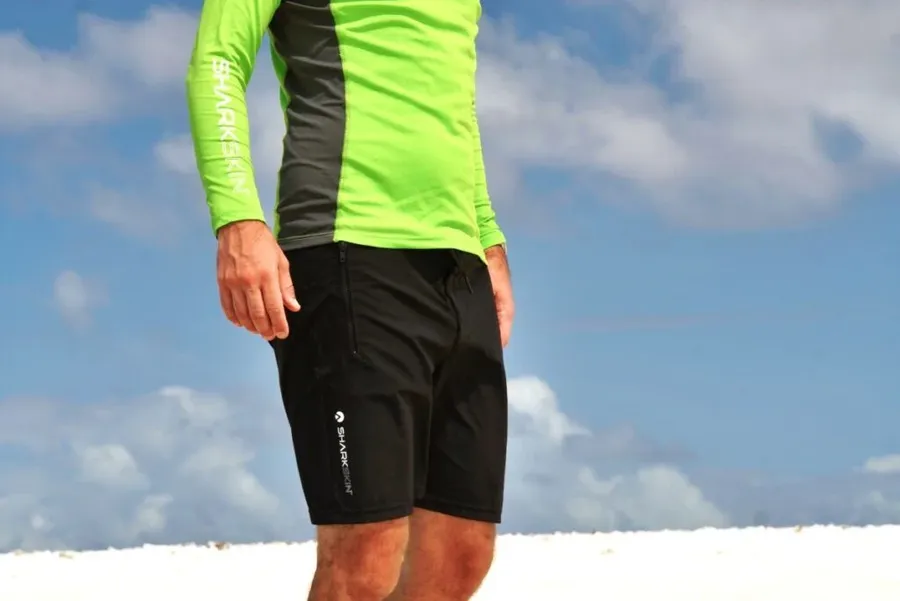
- Rash vest (we like the UV-protecting Sharkskin rashies)
- Closed walking shoes
- Flip-flops/jandals/sandals
- Drypack (protect electronics in case it rains - we recommend these from Sharkskin)
Get more ideas on what to pack with our guide, What to Pack for the Marshall Islands: the Marshall Islands Packing List.
More About the Weather in Marshall Islands in February
That’s it for our complete guide to the weather and climate in the Marshall Islands in February. Check out the following articles for more weather advice:
- Marshall Islands Weather, Seasons & Climate + Marshall Islands Weather by Month
- The Best Time to Visit Marshall Islands: A Month-by-Month Guide
- Marshall Islands Weather in December
- Marshall Islands Weather in January
- Marshall Islands Weather in March
Finally, enjoy a comprehensive guide to planning a trip to Marshall Islands in The Complete Travel Guide to the Marshall Islands.

-SEB%20CREDIT%20MarshallIslandsPocketGuide.com-900x633.webp?v=2026-07-23T03%3A25%3A07.979Z)