-SEB%20CREDIT%20MarshallIslandsPocketGuide.com.webp?v=2026-07-24T22%3A47%3A48.101Z)
What is the Weather Like in the Marshall Islands in January?
January brings warm tropical weather, refreshing tradewinds and generally drier conditions to the Marshall Islands. It is still the tropics, so sunshine can quickly give way to passing showers, but this time of year offers plenty of opportunities to enjoy the lagoons, beaches and outdoor attractions.
So, what should you expect when visiting in January? This guide explains the month’s temperatures, sunshine hours, rainfall and tropical storm risk, along with practical tips on where to visit and what to pack.
Before we jump into this weather guide for January, be sure to bookmark Marshall Islands Weather, Seasons & Climate + Marshall Islands Weather by Month, as well as The Best Time to Visit the Marshall Islands: A Month-by-Month Guide for more advice.
This article is based on real on-the-ground research, not on AI scraping old content from the internet. Learn how we use AI!
Table of Contents
5 Tips for Visiting Marshall Islands in January
- Due to the high UV levels during January, make sure you wear high-factor (and reef-safe) sunscreen
- With around 19 days of some rainfall and about 7.4 in (189 mm) of rain across the month, January is not the time to plan every hour around blue skies. Keep your itinerary flexible, especially for boat trips, island-hopping and outdoor activities. See more inspiration from 10 Things to Do in the Marshall Islands on a Rainy Day.
- You can still expect around 7 hours of sunshine per day, which is plenty for lagoon time, sightseeing and beach walks. Just don’t be surprised if sunshine and showers tag-team the day like they’ve rehearsed it.
- With sea temperatures around 82°F (28°C), swimming and snorkelling can be wonderfully warm in January. Still, check local conditions before heading out, as rain, wind and changing seas can affect lagoon and boat activities.
- Carry drinking water when you’re out exploring, especially if you’re walking around Majuro, taking boat trips or spending long stretches in the sun.
Typical Temperatures in January
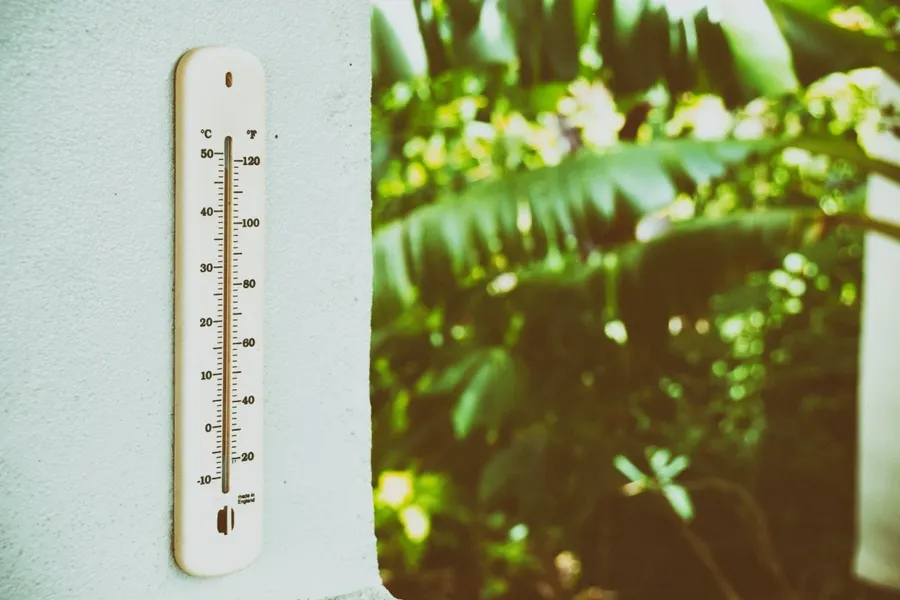
In January, the Marshall Islands keeps things very tropical with average daytime highs of around 86°F (30°C). Nights are still warm too, with minimum temperatures sitting at about 77°F (25°C), so don’t expect much of a cool-down after sunset.
Temperatures Across Marshall Islands
- Majuro - The average maximum temperature is 86°F (30°C) and the minimum average temperature is 77°F (25°C)
- Enewetak - The average maximum temperature is 86°F (30°C) and the minimum average temperature is 77°F (25°C)
- Kwajalein - The average maximum temperature is 86°F (30°C) and the minimum average temperature is 77°F (25°C)
Sea Temperature in January
The sea is also wonderfully warm at around 82°F (28°C), which is ideal for swimming, snorkelling and lagoon time.
In short, January is hot, humid and beach-friendly, but you’ll definitely appreciate shade, drinking water and a room with good airflow when you’re taking a break from the sun.
%20CREDIT%20MarshallIslandsPocketGuide.com-900x601.webp?v=2026-07-09T19%3A16%3A15.449Z)
Hours of Sun in January
Many of us visiting the Marshall Islands want to see some sun! January still offers a good amount of brightness with an average of seven hours of sunshine each day, which is around 61% of daylight hours. Plus, the Marshall Islands experiences around 12 hours of daylight per day in January.
That said, the Marshall Islands is predominantly cloudy year-round, with overcast or mostly cloudy conditions averaging between 75% and 85% of the time, so don't expect to do some epic stargazing every night.
UV Levels During January
Wearing sunscreen is recommended all year round in the Marshall Islands but especially in January when the maximum UV levels are extreme around midday! UV levels are 11+ UV index at midday.
For advice on what sunscreen to wear, see The Best Sunscreens for the Marshall Islands + Sun Protection Tips.
Sunrise and Sunset During January
January has daylight hours lasting about 12 hours a day in the Marshall Islands.
- Sunrise: 6:46 am at the beginning of January and 6:53 am at the end of January
- Sunset: 6:30 pm at the beginning of January and 6:43 pm at the end of January.
Rainfall in January
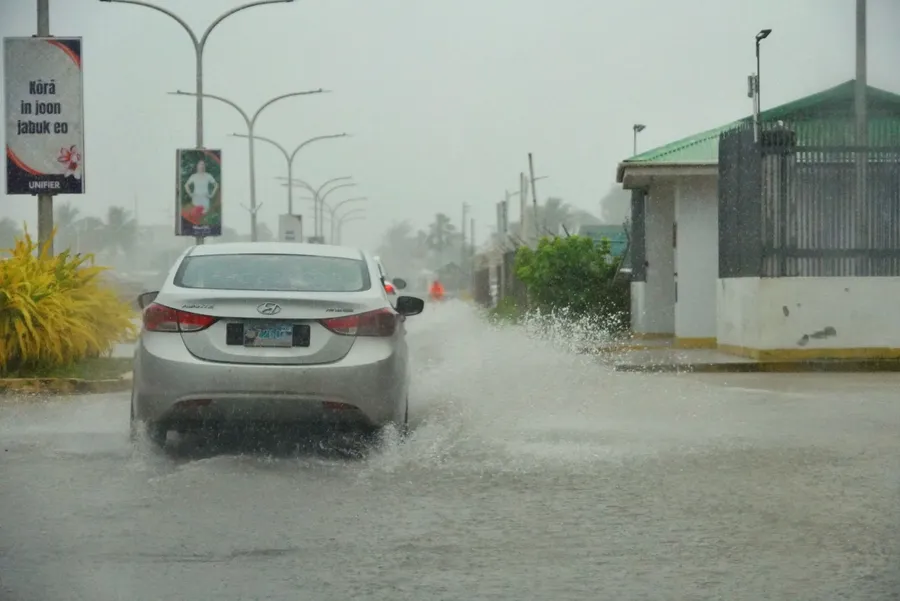
January is a showery month in the Marshall Islands and, we’re not going to beat around the bush, you should expect rain to make an appearance.
Nevertheless, tropical rainfall patterns are often swift, followed by sunshine, so a rainy morning doesn’t always mean the whole day is a write-off.
If you need a rainy day backup for a couple of hours, check out the ideas in 10 Things to Do in the Marshall Islands on a Rainy Day.
The Marshall Islands receives an average of 7.4 in (189 mm) of rainfall in the month of January, with around 19 days out of January experiencing rain.
Average Rainfall Across the Marshall Islands
- Majuro - The average rainfall in January is 7.4 in (189 mm)
- Enewetak - The average rainfall in January is 5.5 in (140 mm)
- Kwajalein - The average rainfall in January is 6.5 in (164 mm)
Tropical Storms in January
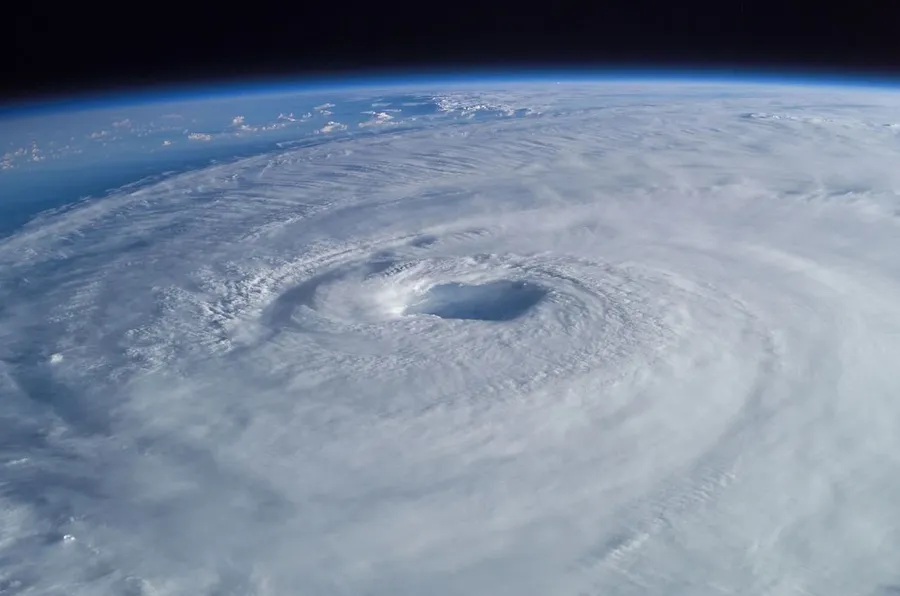
The Marshall Islands sits in the North Pacific typhoon region and January is generally not part of the main typhoon season.
That said, tropical weather can still bring heavy showers, squally winds, rough seas and disruption to boat or flight schedules, especially when travelling between atolls.
Compared with the middle and later parts of the year, January is usually a lower-risk month for severe tropical storms in the Marshall Islands.
However, weather can change quickly in this part of the Pacific, so it’s still worth keeping an eye on local forecasts and taking any marine warnings seriously.
Historically, Marshall Islands was affected by typhoons in 2019 (Amang), January 1993 (Axel), and 1979 (Alice).
If you want to reduce the chance of weather-related disruption, keep your travel plans flexible and avoid packing your schedule too tightly around boat trips.
For those planning to travel during January, be aware of what to do if there is a tropical storm or typhoon alert by following our guide, Typhoon Safety in the Marshall Islands: How to Prepare for a Typhoon in the Marshall Islands.
%20CREDIT%20OCIT-900x600.webp?v=2026-07-28T03%3A25%3A34.258Z)
The Best Places to Visit in Marshall Islands in January
January is one of the better months for exploring beyond the capital. Severe tropical weather is generally less likely than during the middle and later parts of the year, although showers, rough seas and changes to boat or flight schedules are still possible.
You are likely to have a memorable trip wherever you go, but if we had to choose the best places to visit in the Marshall Islands in January, they would be the following.
Majuro Atoll: Do not make the mistake of treating Majuro as nothing more than an airport and departure point. The capital has museums, historic sites, murals, restaurants, markets, beaches, dive sites and lagoon islets, with enough variety to fill several days before or after an outer-atoll trip.
See just how much there is to explore in The Complete Travel Guide to Majuro and 30 Best Things to Do on Majuro.
Arno Atoll: For an achievable first taste of the outer atolls, Arno is the obvious choice. It sits close enough to Majuro to reach by passenger boat or charter, yet its quiet beaches, village life and broad lagoon feel a world away from the capital.
January’s generally calmer weather window can make the crossing more appealing, but always confirm the forecast and return arrangements before leaving. Plan the journey with Majuro to Arno Atoll by Boat: Fares, Schedules & Tips.
Wotje Atoll: Travellers ready for a more ambitious outer-atoll adventure should consider Wotje. Its Japanese World War Two ruins, traditional communities, beaches and enormous lagoon make it one of the country’s most rewarding historical destinations.
January is a sensible time to attempt the journey while major weather disruption is less likely, but domestic flights and boats can still change at short notice. Leave spare days around your international departure and learn more in The Atolls of the Marshall Islands & The Best to Visit.

January Packing List for Marshall Islands
Be prepared for the Marshall Islands in January by packing these few seasonal essentials:
- High-factor reef-safe sunscreen
- Light bamboo, linen or merino layers (we like the sustainable bamboo clothing of Moso Morrow)
- Light long-sleeved tops (to cover from sun and mosquitoes)
- Light pants/trousers (to cover the knees when appropriate – villages, church service, etc.)
- Sunhat
- Sunglasses
- Insect repellent
- Swimwear
- Rash vest (we like the UV-protecting Sharkskin rashies)
- Closed walking shoes
- Flip-flops/jandals/sandals
- Drypack (protect electronics in case it rains - we recommend these from Sharkskin)
Get more ideas on what to pack with our guide, What to Pack for the Marshall Islands: the Marshall Islands Packing List.
More About the Weather in Marshall Islands in January
That's it for our complete guide to the weather and climate in the Marshall Islands in January. Check out the following articles for more weather advice:
- Marshall Islands Weather, Seasons & Climate + Marshall Islands Weather by Month
- The Best Time to Visit Marshall Islands: A Month-by-Month Guide
- Marshall Islands Weather in December
- Marshall Islands Weather in February
- Marshall Islands Weather in March
Finally, enjoy a comprehensive guide to planning a trip to the Marshall Islands in The Complete Travel Guide to the Marshall Islands.

-SEB%20CREDIT%20MarshallIslandsPocketGuide.com-900x633.webp?v=2026-07-23T03%3A25%3A07.979Z)