-IC%26C%20CREDIT%20MarshallIslandsPocketGuide.com.webp?v=2026-07-22T07%3A36%3A53.643Z)
What Are the Atolls of the Marshall Islands?
At first glance, the Marshall Islands may look like little more than scattered specks across an enormous stretch of the Pacific. Look closer, however, and those specks form 29 coral atolls and five isolated coral islands, each with its own communities, landscapes, history and reasons to visit.
The islands are divided between two parallel chains, the Ralik Chain in the west and the Ratak Chain in the east. Some are busy centres of government and transport, while others are remote places of traditional sailing, wartime ruins, empty beaches and lagoons so clear they hardly seem real.
Of course, not every atoll is easy to reach. Flights can be limited, boats depend on weather, and some islands require far more planning than your average tropical getaway.
That is where this guide comes in. First, we will introduce all 29 atolls and five isolated islands, then take a closer look at the best and most fascinating atolls to visit, including practical advice on what makes each one worth the journey.
This article is based on real on-the-ground research, not on AI scraping old content from the internet. Learn how we use AI!
Table of Contents
The 29 Coral Atolls and 5 Isolated Coral Islands at a Glance
The Marshall Islands consists of 29 coral atolls and five isolated coral islands divided between two roughly parallel island chains.
The Ralik Chain, meaning “sunset”, forms the western side of the country, while the Ratak Chain, meaning “sunrise”, lies to the east.
The Atolls of the Ralik Chain
The Ralik Chain contains 15 of the Marshall Islands’ 29 coral atolls:
- Ailinginae Atoll - Uninhabited and rarely visited, Ailinginae is characterised by untouched reefs, turtle nesting grounds and an enduring connection with the people of nearby Rongelap.
- Ailinglaplap Atoll - One of the country’s larger inhabited atolls, Ailinglaplap is known for traditional canoe-building, strong chiefly traditions and peaceful lagoon communities.
- Bikini Atoll - Famous for its nuclear-testing history, Bikini is now internationally recognised for its extraordinary collection of shipwrecks and challenging expedition diving.
- Ebon Atoll - The southernmost atoll in the Marshall Islands, Ebon is greener and wetter than much of the country, supporting lush vegetation and productive local gardens.
- Enewetak Atoll - Enewetak is defined by its nuclear-testing legacy, resettled island communities and the controversial concrete structure known as the Runit Dome.
- Jaluit Atoll - Once an important administrative and trading centre under German and Japanese rule, Jaluit combines colonial history, Second World War remains and traditional island life.
- Kwajalein Atoll - Enclosing one of the world’s largest lagoons, Kwajalein is known for the American military installation on Kwajalein Island and the densely populated community of Ebeye.
- Lae Atoll - Small, isolated and lightly populated, Lae offers an intimate glimpse into daily life in one of the country’s quieter outer-island communities.
- Namdrik Atoll - This compact southern atoll is known for wetland habitats, black-lip pearl farming and a strong community-led approach to protecting natural resources.
- Namu Atoll - Namu consists of widely scattered islets surrounding a large lagoon, with communities relying heavily on fishing, copra production and traditional food gathering.
- Rongelap Atoll - Rongelap is closely associated with the effects of nuclear fallout, although its limited human activity has also allowed marine ecosystems to flourish.
- Rongrik Atoll - Uninhabited Rongrik briefly sheltered the people of Rongelap after their evacuation but lacked enough food and water to support the displaced community.
- Ujae Atoll - Ujae is a remote inhabited atoll with a calm lagoon, close-knit villages and only limited transport connections with the rest of the country.
- Ujelang Atoll - The westernmost atoll in the Marshall Islands, Ujelang is now uninhabited but once accommodated people displaced from Enewetak.
- Wotho Atoll - With a very small population and little visitor infrastructure, Wotho is characterised by quiet beaches, traditional living and near-total seclusion.
The Atolls of the Ratak Chain
The Ratak Chain contains the remaining 14 coral atolls:
- Ailuk Atoll - Coconut-covered islets, clear lagoon waters and skilled canoe sailors give Ailuk the classic appearance and character of a remote Marshallese atoll.
- Arno Atoll - Located close to Majuro, Arno is one of the easiest outer atolls to visit and offers quiet beaches, fishing villages and a sprawling lagoon system.
- Aur Atoll - Sparsely populated Aur is best known for its tranquil lagoon, traditional subsistence lifestyle and wonderfully slow pace of life.
- Bikar Atoll - This tiny uninhabited northern atoll is an important nesting site for green turtles and seabirds.
- Bokak Atoll - Also called Taongi Atoll, this isolated and uninhabited northern atoll is one of the country’s most remote wildlife refuges.
- Erikub Atoll - Uninhabited Erikub serves as a traditional fishing and food-gathering area for communities from nearby Wotje.
- Likiep Atoll - Historic wooden buildings and the remains of a 19th-century German trading settlement give Likiep a distinctive architectural character.
- Majuro Atoll - Home to the national capital, international airport and most visitor services, Majuro is the main gateway to the Marshall Islands.
- Maloelap Atoll - Once a major Japanese military base, Maloelap is scattered with Second World War aircraft, bunkers, coastal defences and other wartime remains.
- Mili Atoll - A vast lagoon, long chains of coconut-covered islets and extensive Japanese wartime ruins make Mili one of the country’s most intriguing outer atolls.
- Nadikdik Atoll - Also known as Knox Atoll, Nadikdik is a low, uninhabited atoll of shifting sandbanks, shallow reef flats and narrow strips of vegetation.
- Taka Atoll - This uninhabited atoll near Utirik remains an important traditional fishing, bird-hunting and food-gathering area.
- Utirik Atoll - One of the northernmost inhabited atolls, Utirik supports a small community centred on fishing, copra production and lagoon resources.
- Wotje Atoll - Wotje combines an established outer-island community with some of the country’s most extensive and accessible Japanese Second World War ruins.
The 5 Coral Islands of the Marshall Islands
Unlike the atolls, these five coral islands do not surround central lagoons.
The Islands of the Ralik Chain
Three of the isolated coral islands belong to the Ralik Chain:
- Jabat Island - Also known as Jabwot Island, this small inhabited coral island has a compact village community but no enclosed lagoon.
- Kili Island - Kili became home to the displaced Bikini community, although its lack of a lagoon and exposure to ocean swells can make boat access difficult.
- Lib Island - Tiny and rarely visited, Lib supports a small community living on a narrow, reef-fringed island without a central lagoon.
The Islands of the Ratak Chain
The remaining two isolated coral islands belong to the Ratak Chain:
- Jemo Island - Uninhabited Jemo is traditionally associated with Likiep and is used seasonally for fishing, harvesting and food gathering.
- Mejit Island - Mejit stands out for its fertile interior, freshwater features and well-regarded traditions of pandanus weaving.
The Best Atolls to Visit in the Marshall Islands
-SEB%20CREDIT%20MarshallIslandsPocketGuide.com-900x506.webp?v=2026-07-09T19%3A03%3A21.331Z)
Majuro Atoll
Locals may tell you that Majuro Atoll is the “worst” atoll to visit in the Marshall Islands. That might sound like a dramatic introduction, but what they usually mean is that Majuro feels urban compared with the dazzling outer atolls they call home.
Look beyond the concrete, traffic and tightly packed neighbourhoods, however, and Majuro becomes a fascinating place to explore. The atoll shows how the capital of an entire nation has been compressed onto a remarkably thin ribbon of land, with the ocean on one side, the lagoon on the other and barely enough room in between for homes, businesses and the country’s main road.
Majuro is best known as the political, economic and transport centre of the Marshall Islands. It is home to the capital district, the country’s international airport, its busiest port and its largest concentration of shops, restaurants and visitor services, making it the natural beginning and end of most trips.
We recommend allowing at least a couple of days here, particularly when connecting with an international flight. Rather than treating Majuro as somewhere to pass through, use the time to learn about Marshallese history at the Alele Museum, Library and National Archives, browse local handicrafts and see how island culture lives alongside the country’s most urban surroundings.
The lagoon is where Majuro really starts to shine. You can sail aboard a traditional Marshallese canoe, join a fishing charter, head out on a dive boat or cruise towards the quieter northern end of the atoll.
These northern islets are often called the “picnic islands” by locals. With white sand, verdant vegetation, coral reefs and clear water, they provide the postcard-worthy Pacific scenery that many visitors assume Majuro does not have (it was hiding just across the lagoon all along).
Snorkelling trips may also visit submerged wrecks and reef sites, while divers can explore coral formations and sunken cruise ships. Majuro is also strongly associated with ocean voyaging, traditional navigation and canoe-building, all of which remain important parts of Marshallese identity.
Do not be put off by Majuro’s bad reputation. Seek out the best of the capital with The Complete Travel Guide to Majuro and 30 Best Things to Do in Majuro.
Arno Atoll
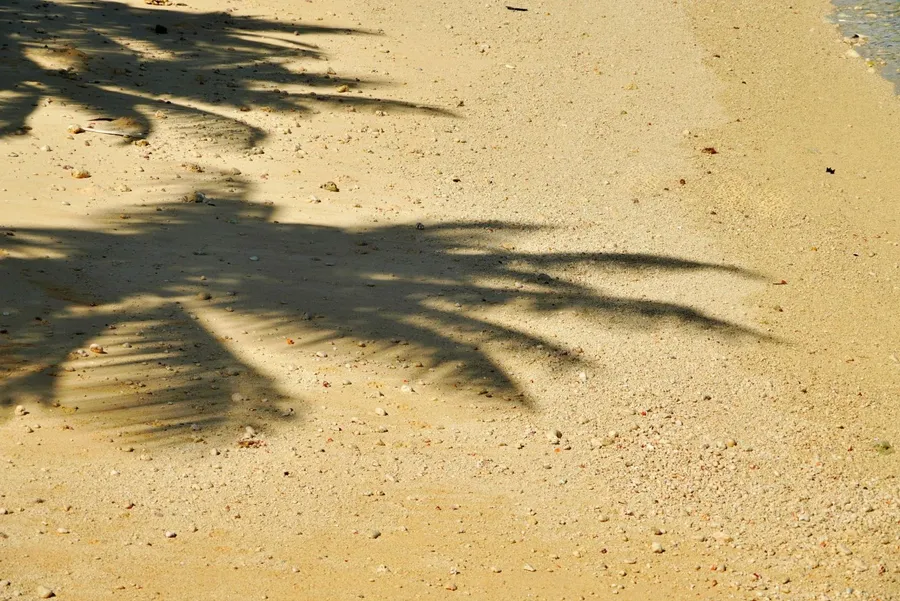
Just a 45-minute to 1 hr 30 mins boat ride from Majuro Atoll, Arno Atoll is one of the easiest outer atolls to add to your Marshall Islands itinerary. Yet despite its proximity to the capital, Arno feels wonderfully untouched, with quiet villages, coconut palms, clear lagoon waters and coral reefs replacing Majuro’s busy roadside scenery.
Arno is the nearest inhabited outer atoll to Majuro and offers a much more traditional pace of life. Fishing, copra production and harvesting food from the lagoon remain important here, while the lack of large-scale tourism makes every visit feel like a genuine introduction to outer-island living.
There are just two visitor accommodations, located right beside each other, so booking ahead is essential. Facilities are simple, but waking up beside an uncrowded lagoon more than makes up for the lack of resort-style extras.
Arno is also famous for jaiborara, an edible sea worm considered distinctive to the atoll. Visitors may have the chance to join local communities during the seasonal harvest, although this is very much an experience to arrange through your accommodation or local hosts.
According to local tradition, you must recite a special chant before the jaiborara emerges and can be eaten safely. We cannot promise the worm understands Marshallese, but joining the chant is certainly part of the fun.
The atoll is also part of community-led conservation systems (Reimaanlok site) that work much like a locally managed marine area, helping residents protect reefs, fisheries and other resources while continuing to use them sustainably.
Away from the villages, you can spend your time snorkelling, fishing, walking along empty beaches or exploring the lagoon by boat. Arno is particularly appealing for travellers who want beautiful Pacific scenery without arranging a flight to one of the country’s more distant atolls.
There are only a few small local shops selling basic supplies. Bring your essential toiletries, drinking water and enough food for your stay, as stocks can be limited and there is no guarantee that the shops will have what you need.
For one of the simplest escapes from the capital, Arno is hard to beat. Its accessibility, traditional culture, community-managed reefs and unusual jaiborara harvest make it far more than just a pretty lagoon.
Learn more about how to get there in the Majuro to Arno Atoll by Boat: Fares, Schedules & Tips.
.webp?v=2026-07-13T22%3A03%3A16.356Z)
Ailinglaplap Atoll
For travellers who prefer their tropical paradise with a side of adrenaline, Ailinglaplap Atoll is one of the most exciting places to visit in the Marshall Islands.
The atoll is best known among visitors for Beran Island Resort, a private-island retreat specialising in surfing, windsurfing, kitesurfing and other wind-powered water sports. Its remote setting, uncrowded reef breaks and steady tradewinds create the sort of playground that surfers and sailors usually dream about while staring at a weather forecast.
Surfing is the headline attraction, with waves breaking along the outer reef far from crowded line-ups. Conditions vary between reef passes and exposed sections of coastline, so sessions are typically organised around the swell, wind and experience level of each guest.
When the wind picks up, the lagoon becomes ideal for windsurfing, kitesurfing and foiling. The broad stretches of protected water provide more forgiving conditions than the ocean-facing reef, while experienced riders can venture farther out with local guidance.
There is plenty to do away from the board, too. Guests can snorkel over coral gardens, explore the lagoon by paddleboard or kayak, join a fishing trip or simply enjoy the beaches surrounding the resort’s private island.
Ailinglaplap is also one of the larger inhabited atolls in the Marshall Islands, with communities spread across numerous narrow islets. Village visits offer a chance to learn about everyday outer-island life, including fishing, copra production, weaving and the traditional skills that have allowed Marshallese communities to thrive on slender strips of land.
The atoll has a strong connection with traditional canoe-building and navigation, making it particularly interesting for travellers who want to understand the Marshall Islands beyond its beaches. Ask your hosts whether canoe trips, cultural demonstrations or community visits can be arranged during your stay.
Fishing is another major draw, with the lagoon and surrounding ocean supporting reef fish, tuna and other pelagic species. Trips may range from relaxed lagoon fishing to more demanding offshore expeditions, depending on the weather and available boats.
Ailinglaplap is not a destination for travellers seeking busy restaurants, nightlife or a long list of organised attractions. Its appeal lies in the opposite: empty waves, open water, remote communities and the feeling that the rest of the world has drifted several hundred kilometres away.
Wotje Atoll
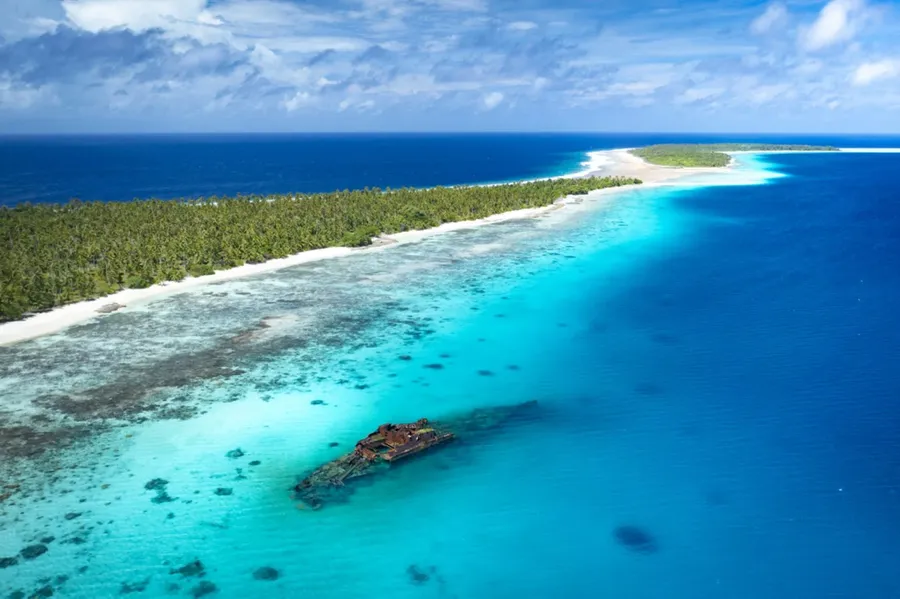
For history enthusiasts, Wotje Atoll is one of the most compelling outer atolls to visit in the Marshall Islands. Its main island contains an extraordinary concentration of Japanese military remains from the Second World War, set between a living island community, coconut palms and a vast blue lagoon.
Wotje became an important Japanese military base, with an airfield, coastal defences and other facilities constructed across the main island. Today, you can still encounter concrete bunkers, gun positions and airfield remains, sometimes only a short walk from homes, churches and everyday village life.
That contrast is what makes Wotje particularly fascinating. These are not polished museum exhibits with velvet ropes and audio guides, but weathered structures gradually being reclaimed by vegetation and the tropical climate.
Ask a local resident or your accommodation to help organise a guided walk before exploring the historic sites. Apart from helping you understand what you are looking at, local guidance reduces the chance of entering an unsafe structure, crossing private land or accidentally wandering somewhere you should not.
Away from the wartime remains, the lagoon offers fishing, boating and snorkelling opportunities that can be arranged through local contacts when boats and equipment are available. Quiet beaches and long, flat roads also make walking or cycling simple ways to explore the main island.
Wotje is one of the more established outer-atoll communities, with schools, small shops and basic services. Even so, this remains a remote destination rather than a miniature Majuro, so do not arrive expecting restaurants, organised tours or a shop selling every item on your packing list.
Accommodation is extremely limited, with MIDB Wotje Lodge providing the main practical option for visitors. Run by the Marshall Islands Development Bank, the lodge has four simple rooms, shared kitchen facilities and a communal dining area, all within walking distance of the runway.
Bring cash, toiletries, snacks and any specialist medication you require. It is also sensible to arrange meals, airport pick-ups and sightseeing with the lodge before travelling, as services may depend on who is available rather than a fixed tourism timetable.
Domestic flights connect Majuro with Wotje, although outer-island schedules can change. Build some flexibility into your itinerary and avoid planning a tight international connection immediately after your expected return.
What ultimately makes Wotje unique is that its history has not been separated from the present. You can spend the morning examining the remains of a former military stronghold, then fish in the lagoon, walk through the village or watch local life unfold beside the same shoreline.
Jaluit Atoll
History runs deep on Jaluit Atoll, making it one of the most rewarding outer atolls for travellers who want to understand how the Marshall Islands became the nation it is today.
Jaluit served as the headquarters of the German protectorate from 1885, later becoming an important commercial and administrative base under Japanese rule. Japan also fortified the atoll in preparation for the Second World War, leaving Jaluit with layers of colonial and military history that few other atolls can match.
That history is visible to this day. Remnants of former administrative buildings, military structures and wartime activity sit among coconut palms, villages and the shoreline, so exploring with a knowledgeable local guide will help put the scattered remains into context.
The atoll’s main settlements are more established than those on many remote islands, with schools, small shops, basic accommodation and local services. Nevertheless, Jaluit still feels worlds away from Majuro, with a slower pace and daily life shaped by the lagoon, fishing and community ties.
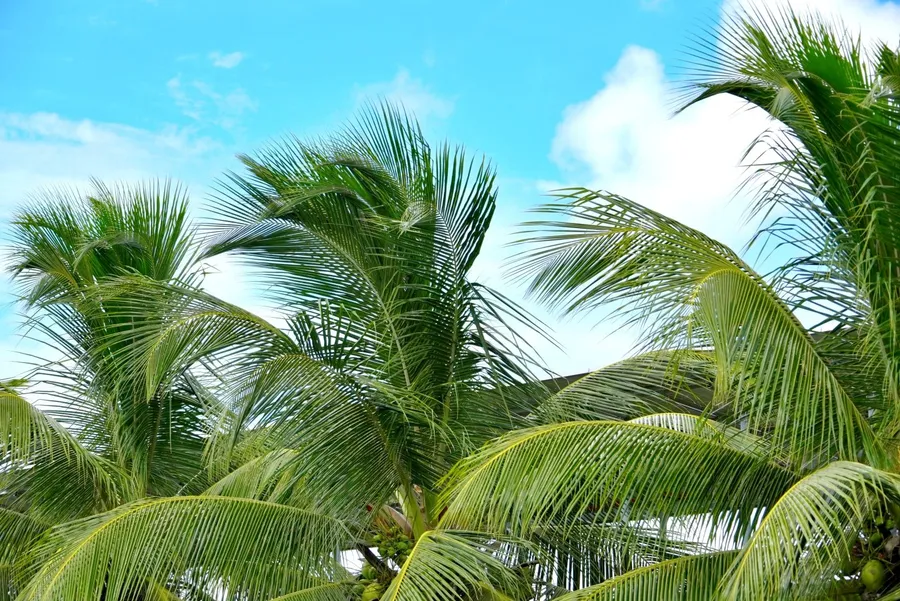
The lagoon adds the tropical scenery to all that history. Depending on local arrangements, you can explore by boat, fish with residents, swim, snorkel or visit quieter islets where beaches and coconut forest replace the busier village surroundings.
Jaluit is also an excellent place to experience Marshallese culture without the capital’s urban distractions. Ask your hosts about village visits, handicrafts, local food and boating trips, as organised tourism is limited and experiences are usually arranged through personal connections.
Domestic flights use Jaluit Airport, which has a 4,200 ft (1,280 m) gravel runway. Outer-island flight schedules and runway conditions can change, so confirm your departure before travelling and leave flexibility before any international connection.
Bring cash, toiletries, medication, snacks and any specialist equipment you require. Local shops may cover basic needs, but Jaluit is not the place to discover that your phone charger, favourite cereal or prescription tablets are still sitting in Majuro.
Jaluit is best suited to curious and independent travellers rather than those looking for a conventional beach resort. Its combination of former capital status, German and Japanese history, wartime remains, lagoon adventures and present-day island culture makes it one of the most distinctive atolls in the country.
-CUWL%20CREDIT%20MarshallIslandsPocketGuide.com-900x601.webp?v=2026-07-09T19%3A01%3A27.886Z)
Kwajalein Atoll
Enclosing one of the world’s largest lagoons, Kwajalein Atoll is a fascinating destination where Marshallese community life, World War Two history and a major United States military presence exist within the same enormous ring of coral islands.
Kwajalein is the only atoll outside Majuro served by international passenger flights. United Airlines stops at Kwajalein Airport as part of its famous "Island Hopper" network, linking the Marshall Islands with Honolulu, Guam and other destinations across Micronesia, which you can learn more about in Which Airlines Fly Directly to the Marshall Islands?
That convenience comes with an important catch. The airport, also known as Bucholz Army Airfield, sits inside a restricted United States military installation, so ordinary visitors cannot simply leave the terminal and explore Kwajalein Island independently.
Most civilian travellers continue under controlled arrangements to the ferry terminal, then cross the lagoon to Ebeye Island, the main Marshallese population centre and practical base for visiting the atoll. Entry requirements and transfer procedures should be confirmed before travelling, particularly when arriving on an international flight.
Ebeye presents one of the most striking contrasts in the Marshall Islands. A large community has been compacted onto a very small island, creating busy streets, tightly packed homes, shops, churches and schools surrounded by the astonishing blue expanse of Kwajalein Lagoon.
Much like Majuro, Ebeye is not the deserted-island fantasy that some visitors expect from the Pacific. Look beyond the density, however, and it offers an eye-opening introduction to modern Marshallese life, particularly the relationship between local communities and the neighbouring military base.
The lagoon is the atoll’s great natural attraction. With local arrangements, visitors may be able to go fishing, snorkelling, diving or boating between quieter islands, where coral reefs, beaches and coconut forest reveal a completely different side of Kwajalein.
History enthusiasts will also recognise the atoll as the setting of the Battle of Kwajalein, an important engagement in the Pacific campaign of the Second World War. Wartime remains can be found around parts of the atoll and beneath the lagoon, although access to sites on military-controlled islands is restricted and should never be assumed.
Kwajalein also acts as an important transport hub for the western Marshall Islands. Domestic services connect the atoll with Majuro and selected outer islands, although schedules may change and flights should be reconfirmed before departure.
Facilities for tourists are limited, so arrange accommodation, airport transfers and lagoon activities before you arrive. Bring cash, essential medication and anything specialised you may need, as this is not a conventional holiday resort despite having an international airport.
For sailors, Ebeye is also one of the country’s two official ports of entry, with local offices handling immigration, customs, quarantine and port clearance, which you can learn more about in Sailing Guide to the Marshall Islands: Tips for Yachting in the Marshall Islands.
Kwajalein is not the easiest atoll to explore, but that is partly what makes it so compelling. Its vast lagoon, wartime history, international air connection and stark contrast between restricted military islands and densely populated Ebeye create an experience found nowhere else in the Marshall Islands.
Likiep Atoll
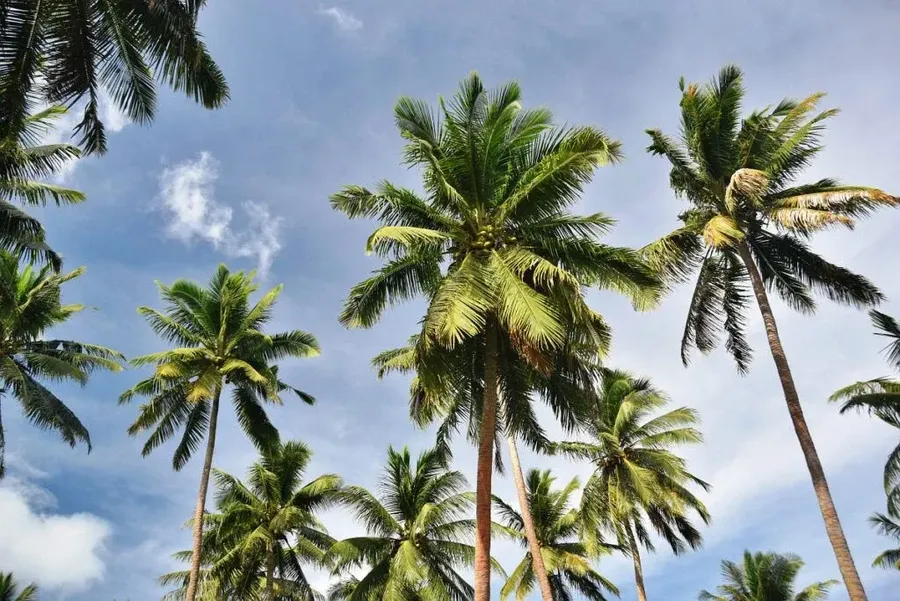
For travellers drawn to quiet islands with a story to tell, Likiep Atoll is one of the most distinctive places to visit in the Marshall Islands. Its calm lagoon, traditional communities and surviving German-era buildings give it a character quite different from the country’s better-known atolls.
Likiep became an important copra-trading centre during the late 19th century, when European traders established plantations and commercial buildings on the main island. The atoll’s unusual history can still be seen in its timber houses, old trading structures, churches and family properties.
Among the most notable historic figures associated with Likiep was Joachim de Brum, a trader and photographer who documented Marshallese people, ceremonies and everyday life. His photographs now provide an invaluable visual record of the islands during a period of rapid colonial change.
The historic buildings are the main reason many curious travellers put Likiep on their itinerary. Rather than finding a formal heritage attraction with ticket booths and gift shops, you will encounter old structures woven into the present-day village, where families continue to live beside the remains of the atoll’s trading past.
Arrange a local guide before exploring these sites. Residents can explain who lived in the buildings, how the copra trade shaped the community and which areas are private or safe to enter.
Beyond its history, Likiep offers the simple pleasures of an outer atoll. Depending on local arrangements, you can snorkel over coral reefs, fish in the lagoon, explore neighbouring islets by boat or walk along beaches where footprints are generally in short supply.
Traditional fishing, weaving and copra production remain important parts of daily life. Visitors interested in handicrafts should ask their accommodation or hosts whether locally woven baskets, mats and other items are available to purchase.
Likiep is also closely connected with uninhabited Jemo Island, which lies within the same traditional sphere and is used for fishing and gathering resources. Reaching it requires local permission, suitable weather and a properly arranged boat trip, so it should not be treated as an independent day excursion.
Visitor facilities on Likiep are extremely limited. Bring cash, toiletries, medication, snacks and any specialist supplies you need, as local shops mainly serve the community and may carry only basic goods.
Transport can also be irregular, whether you arrive by domestic flight or boat. Confirm your accommodation, transfers and return journey before leaving Majuro, then leave some flexibility around international connections.
Likiep rewards travellers who appreciate atmosphere rather than a packed sightseeing schedule. Its combination of historic architecture, photographic heritage, lagoon scenery and welcoming outer-island life makes it one of the Marshall Islands’ most culturally fascinating destinations.
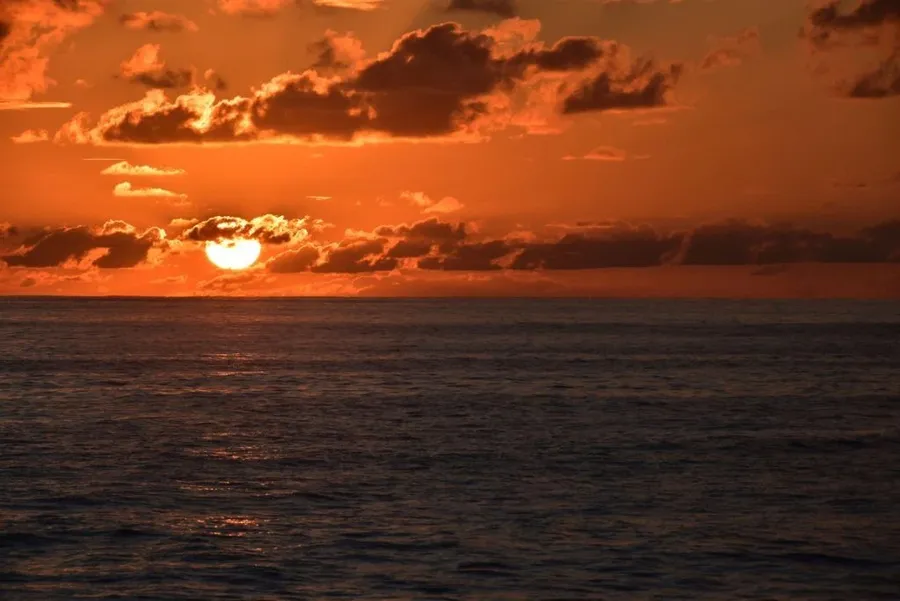
Bikini Atoll
Bikini Atoll is not included because it is one of the easiest or most practical atolls to visit. Quite the opposite, reaching it is difficult, expensive and usually requires joining a specialist expedition.
It is featured because Bikini is the Marshallese atoll that people around the world are most likely to recognise, even if they know very little about the Marshall Islands themselves.
Between 1946 and 1958, the United States conducted 23 nuclear tests at Bikini Atoll after relocating its residents. The programme included the Castle Bravo test in 1954, the largest nuclear explosion ever carried out by the United States, which caused widespread radioactive fallout across parts of the Marshall Islands.
The people of Bikini were told their displacement would be temporary, but the atoll remains unsuitable for permanent resettlement. Their experience is one of the most important and painful chapters in modern Marshallese history, so visitors should approach Bikini with respect rather than treating it merely as an unusual adventure destination.
The atoll is now a UNESCO World Heritage Site, recognised for both its nuclear history and the physical remains left behind by the testing programme. These include bunkers, abandoned infrastructure and a lagoon filled with ships deliberately sunk during the 1946 Operation Crossroads tests.
That submerged fleet has made Bikini one of the world’s most famous wreck-diving destinations. Advanced technical divers come to explore vessels such as the aircraft carrier USS Saratoga, the battleship Nagato and other warships resting deep inside the lagoon.
These are not casual holiday dives. Many wrecks lie at considerable depths, so visiting requires specialist qualifications, decompression experience, expedition equipment and careful planning.
Travel to Bikini is also highly restricted by its remoteness, limited facilities and transport challenges. There is no conventional infrastructure, and trips are usually organised as specialist liveaboard or research-style expeditions rather than independent island holidays.
Then there is SpongeBob SquarePants.
SpongeBob lives in the fictional underwater community of Bikini Bottom, a name that playfully references Bikini Atoll. This has inspired a popular internet theory that SpongeBob and his friends were mutated by nuclear testing, but that idea is fan speculation rather than part of the programme’s confirmed storyline.
Bikini also gave its name to the bikini swimsuit. French designer Louis Réard introduced the garment in 1946 and named it after the atoll, hoping his new design would create an impact as explosive as the nuclear tests receiving worldwide attention at the time.
Bikini Atoll is therefore less a straightforward holiday destination and more a place of global historical significance. Its wrecks, nuclear legacy, displaced community and unexpected pop-culture connections make it essential to discuss, even though only a small number of travellers will ever visit.
More About the Best Atolls to Visit in the Marshall Islands
That's it for our guide to the best islands to visit in the Marshall Islands. For more about all of the islands, check out the following guides:
- How Americanised are the Marshall Islands?
- 101 Best Things to Do in the Marshall Islands: The Ultimate List
- Marshall Islands Weather, Seasons & Climate + Weather by Month
Finally, plan your entire trip to the islands, the easy way, using The Complete Marshall Islands Travel Guide.

-SEB%20CREDIT%20MarshallIslandsPocketGuide.com-900x633.webp?v=2026-07-23T03%3A25%3A07.979Z)