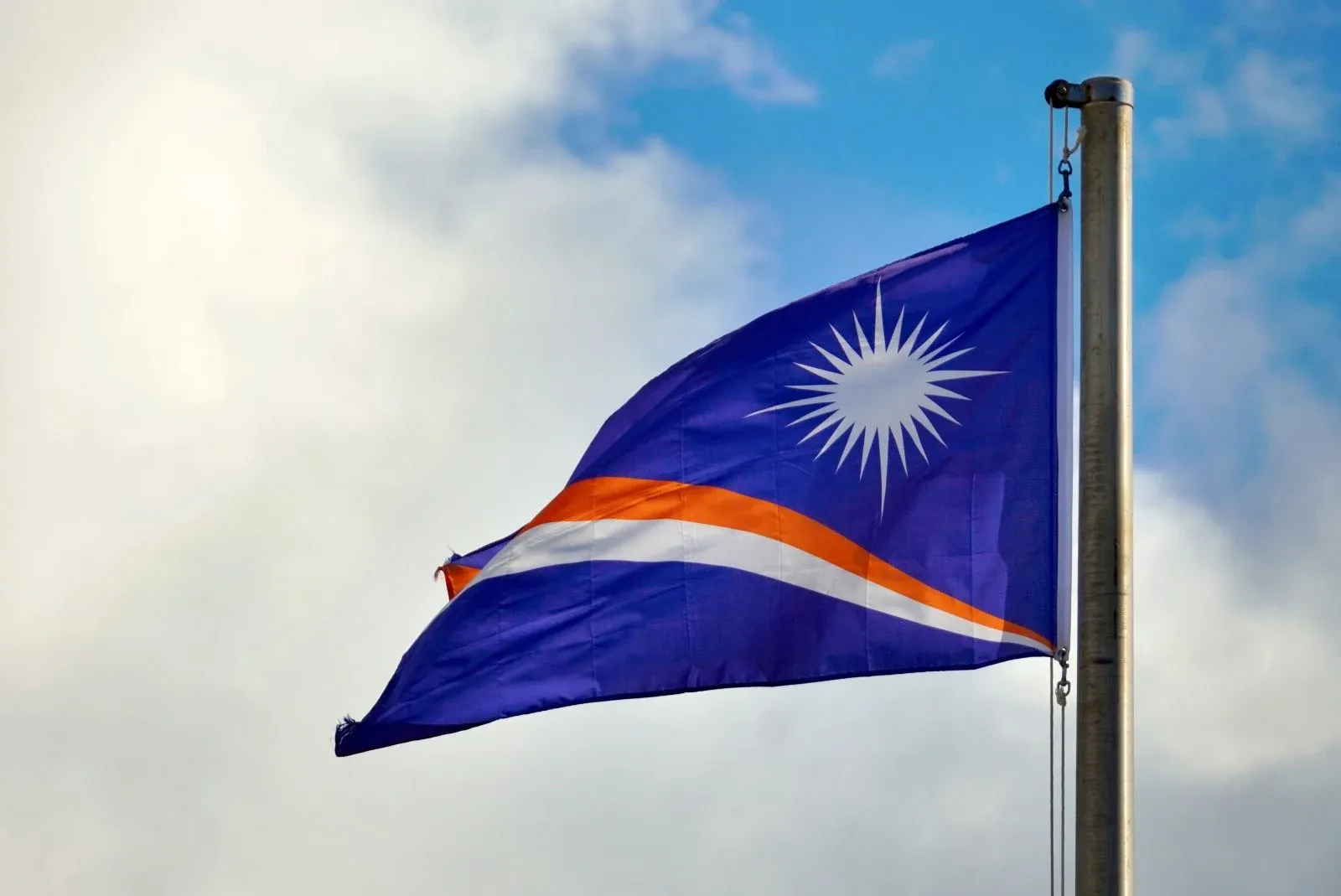
American Influence in the Marshall Islands
The Marshall Islands is a remote island nation in the North Pacific that might surprise a few first-time visitors with just how familiar it can feel, especially if you are coming from the United States.
From US dollars and American plug sockets to basketball courts, school programmes and supermarket shelves stocked with American snacks, the Marshall Islands has a strong American influence woven into everyday life.
But, and this is the important part, the Marshall Islands is not part of the United States. It is an independent sovereign country with its own culture, language, history and identity.
In this guide, we're looking at the American influence in the Marshall Islands and answering the question: how Americanised are the Marshall Islands?
This article is based on real on-the-ground research, not on AI scraping old content from the internet. Learn how we use AI!
Table of Contents
Is the Marshall Islands Part of the US?
No, the Marshall Islands is not a US state like Hawai'i, nor is it a US territory like Guam, Puerto Rico or American Samoa.
The Republic of the Marshall Islands is an independent nation that entered into a Compact of Free Association with the United States, a special agreement that helps explain the close relationship between the two countries.
The US Department of the Interior explains that the Compact covers financial assistance and the broader relationship between the United States and the Marshall Islands, Federated States of Micronesia and Palau.
The Marshall Islands became independent in 1986, following decades of administration by the United States after World War Two. Today, the country is proudly Marshallese, while also having everyday systems that often feel very American to outside visitors.
Learn more about the Marshallese culture in A Traveller's Guide to the Marshallese Culture.
-SEB%20CREDIT%20MarshallIslandsPocketGuide.com.webp?v=2026-07-08T19%3A49%3A03.839Z)
Why Does the Marshall Islands Feel So American?
The short answer is history. After World War Two, the United States took administrative control of the Marshall Islands from Japan. The later Compact of Free Association created a close relationship between the two countries, including economic support, defence arrangements and migration rights.
That agreement is one reason why many Marshallese citizens are able to live, work and study in the United States, and why US citizens can also live and work in the Marshall Islands under certain conditions. It is also why the island of Kwajalein is home to a major US military presence, something that has shaped both the economy and the relationship between the two nations.
Britannica notes that US subsidies under the Compact of Free Association and the leasing of land for the US missile testing range on Kwajalein are major sources of revenue for the republic.
-CUNL%20CREDIT%20MarshallIslandsPocketGuide.com-900x601.webp?v=2026-07-09T19%3A01%3A10.182Z)
The US Dollar Is the Currency
One of the most obvious signs of American influence is the money. The Marshall Islands uses the US dollar, which makes it feel instantly familiar for American travellers and very straightforward for anyone arriving from the US.
The official currency is listed as the US dollar by US State Department background information on the Marshall Islands.
On that note, cash is especially useful. Like many Pacific island nations, not every small shop, taxi or local service will be set up for card payments, so travellers should avoid assuming that a bank card will work everywhere, as explained in our full guide, What is the Best Way to Pay in the Marshall Islands?
-SEB%20CREDIT%20MarshallIslandsPocketGuide.com-900x601.webp?v=2026-07-07T21%3A07%3A03.894Z)
English is Widely Spoken
The Marshall Islands has two official languages, Marshallese and English.
English is widely used in schools, government, business and tourism, which can make travel easier for English-speaking visitors. However, Marshallese remains central to daily life, identity and culture.
This is where the “Americanised” feeling can be a little misleading. Yes, you might hear fluent English, American expressions and even American accents, but that does not make the Marshall Islands culturally American. It is still a Pacific nation with its own customs, family structures, land systems, food traditions and ways of doing things.
Learn more about the Marshallese language in What is the Marshall Islands Language?
-PI%20CREDIT%20MarshallIslandsPocketGuide.com-900x601.webp?v=2026-07-08T19%3A48%3A22.565Z)
American Products are Everywhere
If you have travelled through other Pacific islands, walking into a supermarket in Majuro can feel like stepping into a US grocery aisle. You might see cereals like Cheerios, Raisin Bran and Cinnamon Toast Crunch, alongside root beer, Bud Light, American snacks and familiar imported brands.
This is partly because of the close US relationship, but also because the Marshall Islands relies heavily on imports.
That said, when it comes to products, there is a significant amount of Japanese influence too, including Japanese products in the largest supermarkets, as well as a dedicated Japanese supermarket. FYI, the Marshall Islands were colonised by Japan before the US.
Like many remote island nations, imported goods make up a big part of what is available in shops, especially in urban areas such as Majuro.
For American visitors, that can feel comforting. For everyone else, it can be a slightly surreal mix of Pacific island life and US convenience store culture.
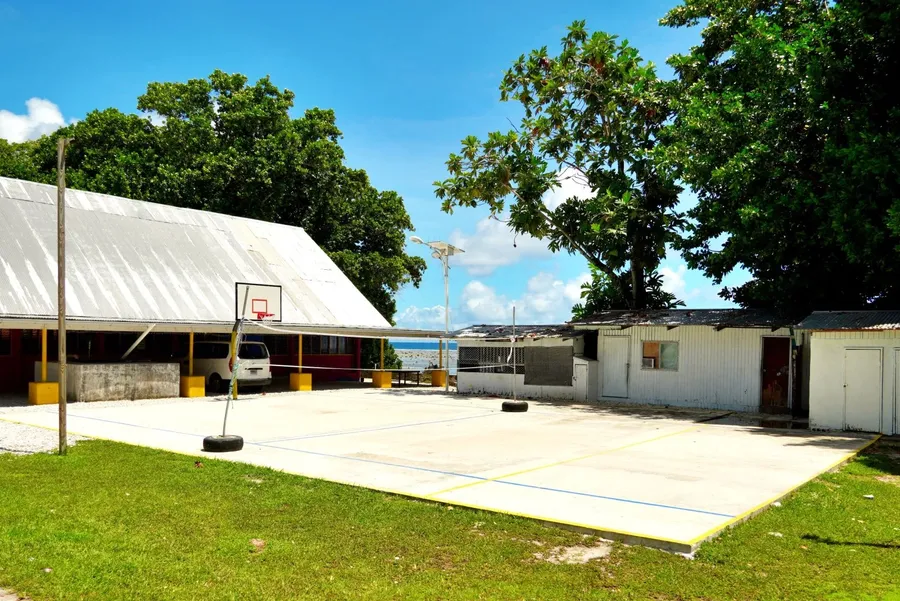
Basketball, Imperial Measurements and American TV
Basketball is hugely popular in the Marshall Islands, and you will often spot courts and hoops around communities especially in the evenings.
For those who enjoy the "freedom units" and their lack of accuracy, using miles, Fahrenheit and feet will be familiar territory too.
American television and media are also common, with US channels and content helping shape pop culture, language and entertainment. Travellers are often welcomed by familiar American channels like Fox News, ESPN and Cartoon Network when relaxing in their hotel rooms.
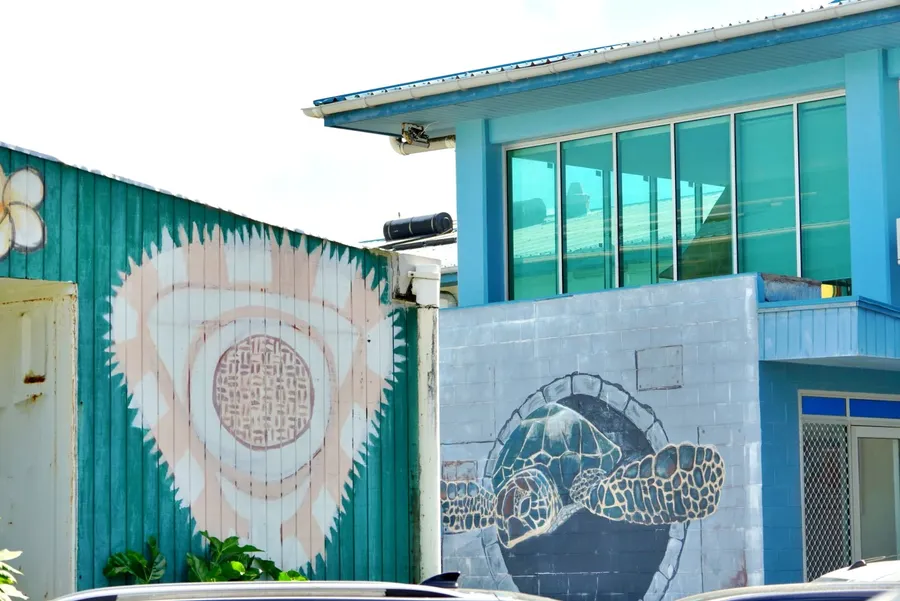
The School System Has Strong US Links
Education is another area where the American influence is clear. Most schools use US style curriculums, teaching resources and standards, including American history, US maths programmes and English language materials. This is one of the reasons some visitors notice that the younger generation may be especially comfortable with American English and US cultural references.
Still, schools in the Marshall Islands also sit within a Marshallese community context. Education may have American influence, but students are growing up in a Pacific society with its own values, language and local realities.
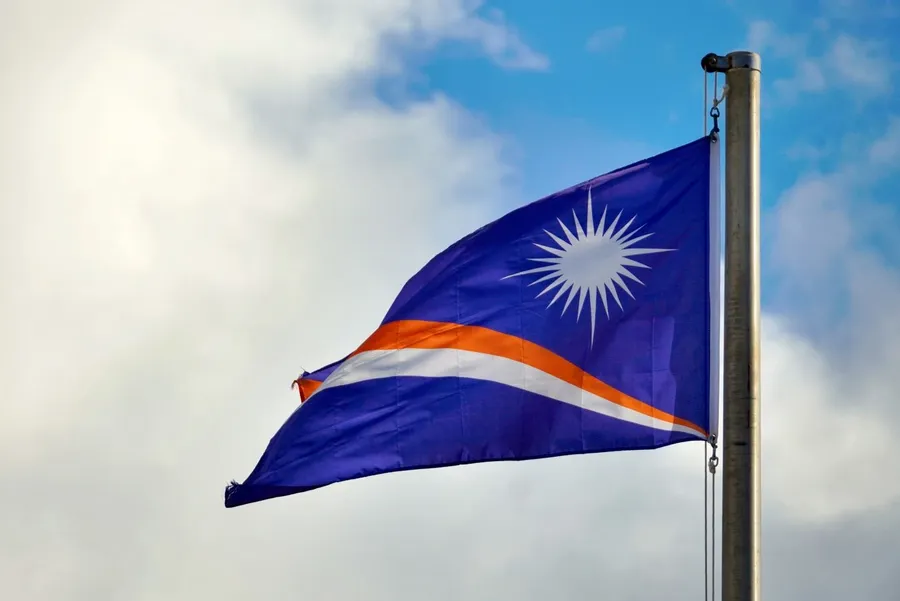
So, How Americanised are the Marshall Islands?
The Marshall Islands is one of the most American-influenced independent countries in the Pacific, especially in terms of currency, education, migration, defence, imports, sport, media and everyday convenience culture. For American travellers, it can feel strangely familiar. For Pacific travellers, it can feel very different from places such as Samoa, Tonga, Fiji or the Cook Islands.
But “Americanised” only tells half the story. The Marshall Islands may use US dollars, follow many US systems and have a long political relationship with America, but it remains its own country with its own identity. That mix is exactly what makes it so fascinating. We love destinations that challenge your expectations, and the Marshall Islands is definitely one of those places where the familiar and the unfamiliar sit side by side.
So, if you are wondering how Americanised the Marshall Islands really is, the answer is: very, on the surface, but proudly Marshallese at heart.
More About the Marshallese Culture
That's it for our guide to how Americanised the Marshall Islands are; for more information about visiting, living in and understanding the Marshall Islands, check out the following articles:
- A Traveller's Guide to the Marshallese Culture
- Top Things to Do in the Marshall Islands
- The Guide to Visas in the Marshall Islands
Finally, if there's anything we've missed, you're likely to find it in The Complete Travel Guide to the Marshall Islands.

-SEB%20CREDIT%20MarshallIslandsPocketGuide.com-900x633.webp?v=2026-07-23T03%3A25%3A07.979Z)