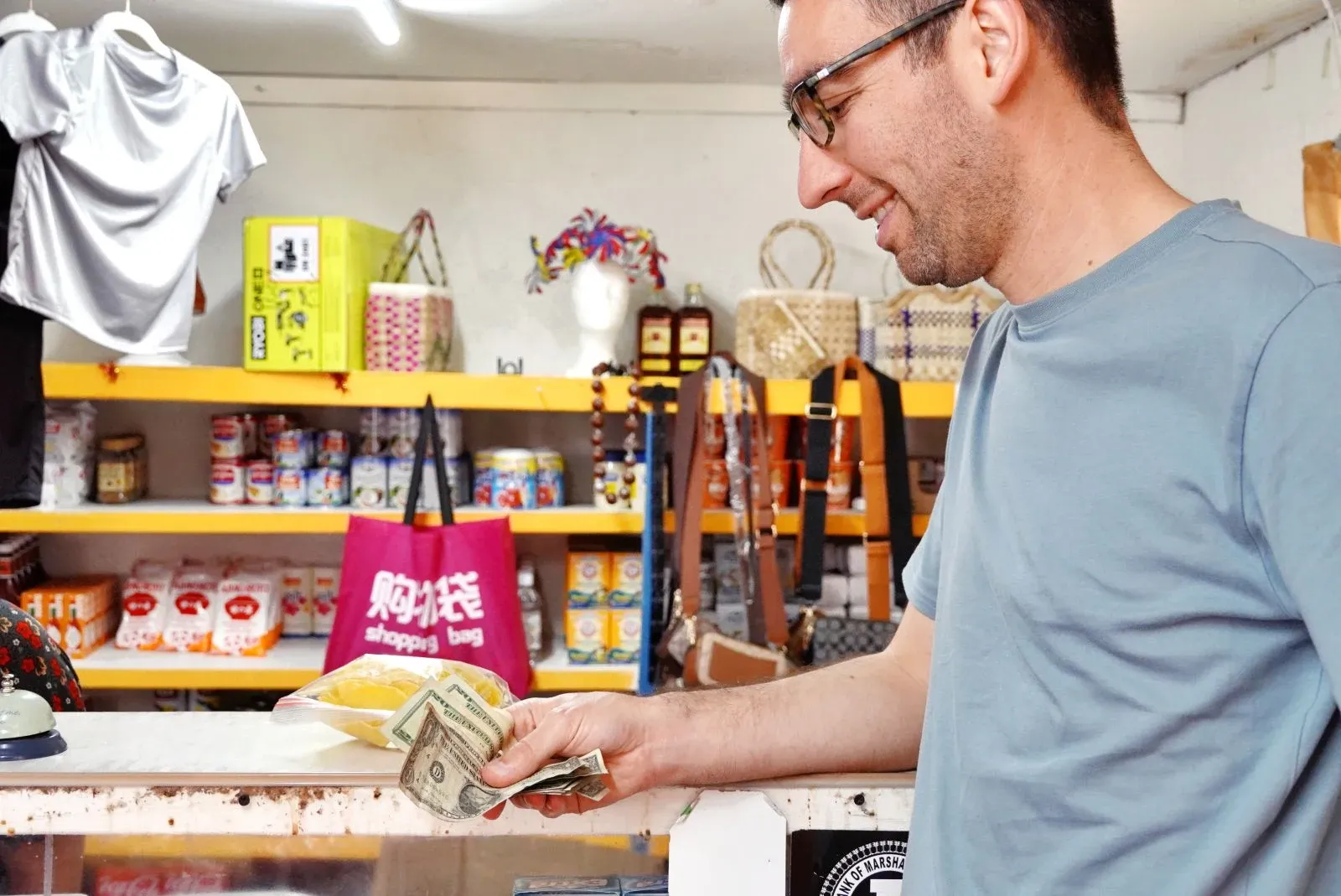
The Best Payment Methods in the Marshall Islands
So, you’re going through the essentials for your trip to the Marshall Islands? Don’t worry, figuring out how to pay is fairly simple, although bringing a mix of payment methods is the safest approach.
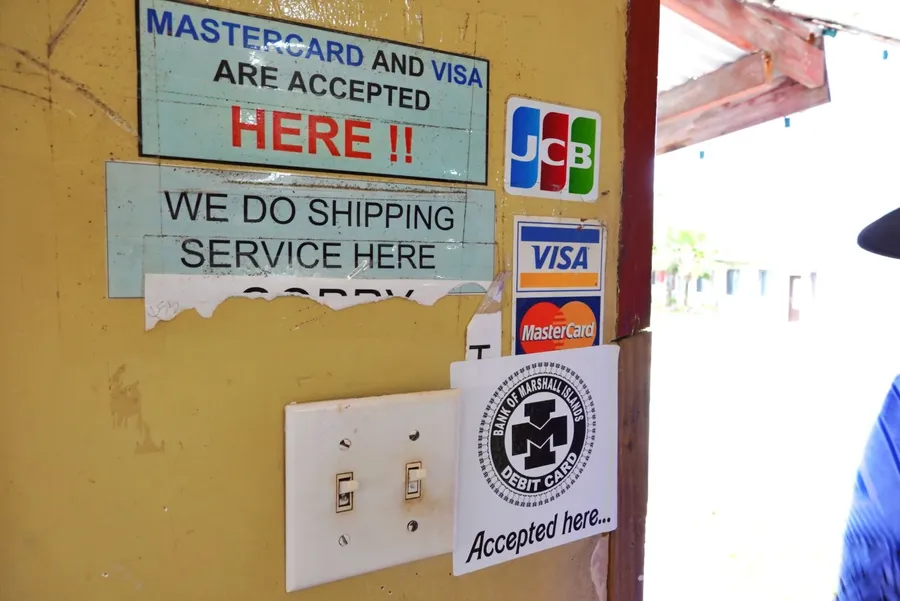
Cash is king, particularly outside Majuro, so having enough US dollars to cover taxis, markets, small businesses and trips to the outer atolls is essential. In Majuro, many hotels, supermarkets, restaurants, car rental companies and even some smaller shops also accept Visa and Mastercard.
There is also a local digital wallet called Lomalo, although tourists cannot use it because registration requires a local Social Security Number... This is also the reason why visitors cannot exchange currency in the Marshall Islands, so it's essential to bring enough cash with you.
Other payment methods are limited, so we recommend travelling with a combination of US dollar cash and a Visa or Mastercard. In this guide, we compare all the practical ways to pay in the Marshall Islands.
Planning your budget too? See Marshall Islands Travel Budget: How Much Does a Trip to the Marshall Islands Cost?
This article is based on real on-the-ground research, not on AI scraping old content from the internet. Learn how we use AI!
Table of Contents
Currency in the Marshall Islands
First things first, you need to know the currency in the Marshall Islands. The Marshall Islands uses the US Dollar. Prices in the Marshall Islands are usually written as a dollar symbol ($), while internationally, the currency is displayed as "USD" or "US$".
Coins come in values of 1¢, 5¢, 10¢ and 25¢.
Notes come in values of $1, $5, $10, $20, $50 and $100.
See our complete article on What is the Currency of the Marshall Islands? for more information.
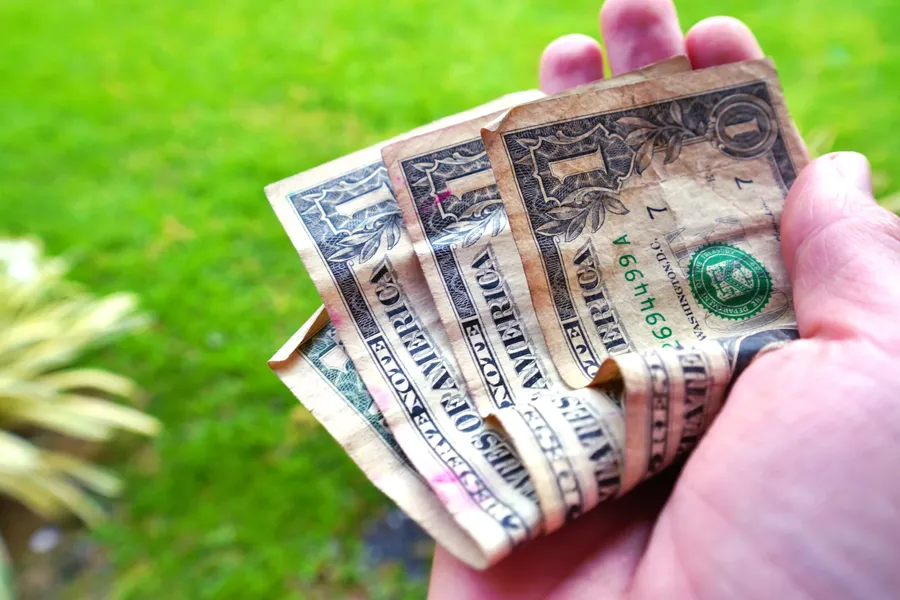
Cash (US Dollars and Cents)
Cash is by far the most widely accepted payment method in the Marshall Islands. There are many situations where cash is the only way to pay, including taxis, market stalls, small family-run businesses, some cafés and local transport.
Cash becomes even more important when travelling beyond Majuro. There are no ATMs or card payment facilities on the outer atolls, while taxi boats, local transport and small businesses on Arno, for example, generally operate on a cash-only basis.
However, like anywhere in the world, most travellers do not want to carry all the cash they will need for an entire holiday for obvious security reasons. We recommend keeping your money in separate secure places and only carrying what you expect to spend each day.
With Majuro being relatively small, withdrawing cash every few days is usually straightforward and you are rarely too far from town. That said, we recommend keeping some spare US dollars hidden securely in your luggage, as there is no currency exchange on the island and you will appreciate the backup in the rare event that the ATMs are not working.
Get an idea of how much money to have available each day with our guide, How Much Spending Money Do You Need for the Marshall Islands?
How to Get US Dollars in the Marshall Islands
The Marshall Islands uses the US dollar, so travellers arriving from the United States will not need to exchange currency. Visitors arriving with another currency should exchange it into US dollars before travelling, as you cannot do it on-island.
There are only three ATMs in Majuro, all operated by the Bank of Guam. You’ll find them at K&K Supermarket in Delap, Payless Supermarket and Hotel Robert Reimers near Ace Hardware.
The ATM at Hotel Robert Reimers is inside the building and cannot be seen from outside (a small financial treasure hunt, if you will). See their locations in our Information, Shops and Services in the Marshall Islands guide.
ATMs accept several international card networks, including Visa, Mastercard, Maestro, Cirrus, PLUS, NYCE and Pulse. A flat withdrawal fee of around US$5-$6 applies to each transaction, whether you use a local or foreign card.
Making fewer, larger withdrawals can help reduce ATM fees, although you should only take out as much cash as you feel comfortable carrying.
As mentioned, exchanging foreign currency after arrival is not possible. Both the Bank of Guam and the Bank of Marshall Islands require customers to hold an account before exchanging money (and we're guessing you don't have a local Social Security Number?), so tourists should arrange their US dollars before departure.
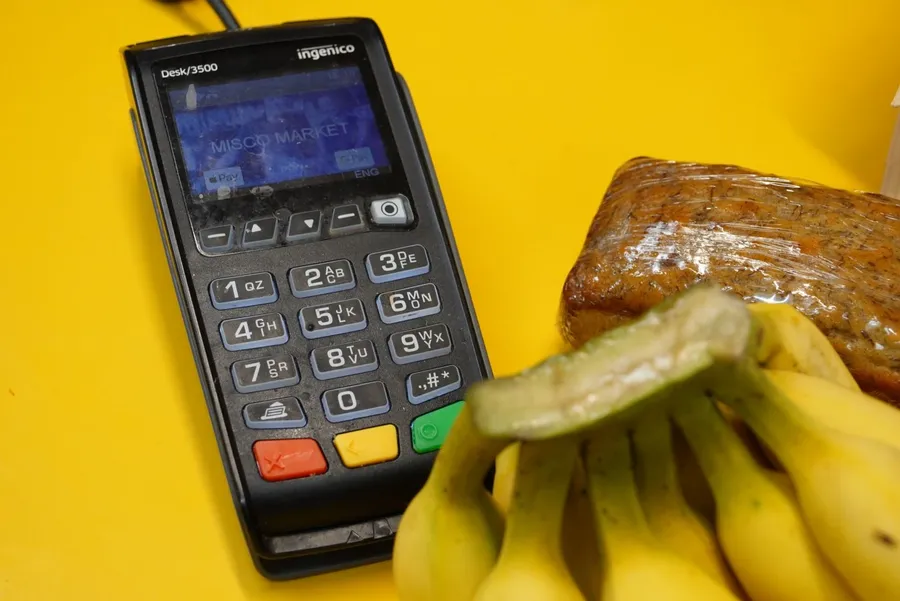
Credit and Debit Cards
For ease and security, paying by credit or debit card is a useful option at many hotels, restaurants, supermarkets, shops and car rental companies, particularly in Majuro. Card acceptance is more common than you might expect, with some bakeries, handicraft stores and even small convenience stores accepting card payments.
However, there are still plenty of situations where vendors do not accept cards, so it is best to always have enough cash available. This is especially important for taxis, market stalls, very small family-run businesses and travel beyond Majuro.
Get an idea of how much money to have available each day with our guide, Marshall Islands Travel Budget: How Much Does a Trip to the Marshall Islands Cost?
Which Credit and Debit Cards Are Accepted in the Marshall Islands?
Visa and Mastercard are the most widely accepted international credit and debit cards in the Marshall Islands, while JCB and Discover are accepted at a more limited number of payment points.
American Express is not widely accepted and should not be relied on as your main card. Travellers are better off bringing Visa or Mastercard as well as some US dollar cash.
Credit and Debit Card Charges
Your credit or debit card’s issuing bank will likely have a fee for a “foreign currency service”, which is typically 1-3% of the transaction in your home currency. This fee is often also applied when using an ATM in the Marshall Islands.
Some local businesses also add a card surcharge, with around 3.5% being fairly standard, making this an expensive form of payment, especially if used frequently.
These small fees can add up if you use your card for every purchase, making cash the cheaper option.
Learn more about paying by card in our complete guide, Can You Use Your Credit or Debit Card in the Marshall Islands?
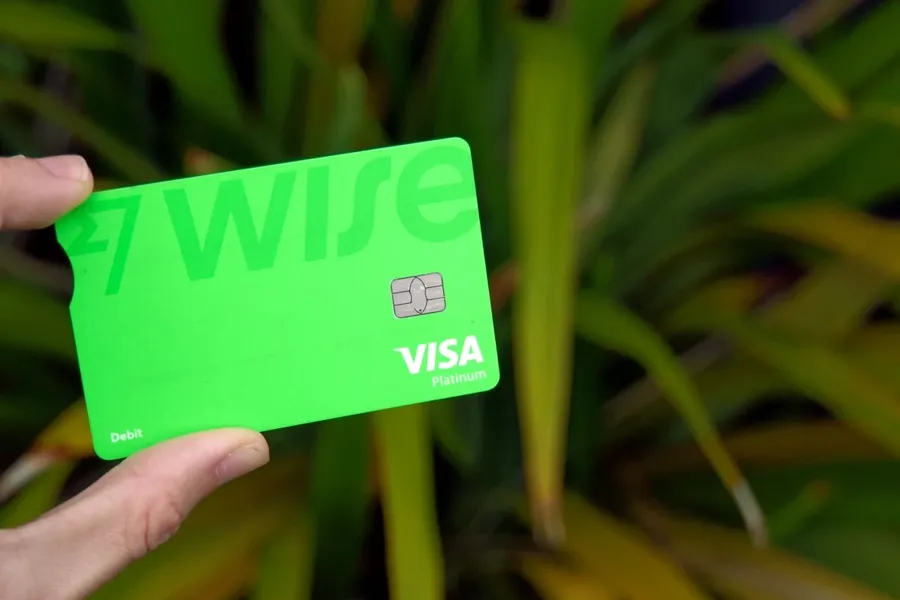
Travel Money Cards
For travellers doing a round-the-world trip or travelling often, travel money cards are a secure and easy option for paying overseas.
Also called travel prepaid cards, travel money cards allow you to load your own prepaid funds in your local currency that you can then spend in one of the selected currencies your chosen travel money card allows.
There are many travel money cards available out there that have US Dollars as an applicable currency. However, in most cases, you will only be able to use travel money cards in the Marshall Islands if it is a Mastercard or Visa card.
Banks, exchange bureaus, airlines and a wide array of businesses offer travel money card products, each with its own rates and fees. Typically, you will pay an exchange rate with each purchase, pay a rate to load your card, and pay a fee to transfer funds to your bank account.
Bear this in mind when weighing up your payment options for the Marshall Islands.
![Tonga Travel Tips: 31 Tips for Travelling in Tonga ???? [2023]](https://dupxn8wrxg546.cloudfront.net/media/tonga-Laura-Phone-Internet-WiFi-Network-MUST-CREDIT-LINK-CookIslandsPocketGuide.com_-1024x684-900x601.webp?v=2026-06-27T00%3A51%3A14.127Z)
Online Transfers (Telegraphic Transfers)
Online transfers (also called telegraphic transfers) are a handy way to pay for your accommodation, shopping and tours in the Marshall Islands. You can sort everything out online or pay in advance, which is brilliant for planning ahead.
But here's the catch: they come with the highest fees of all payment methods. Your bank will likely hit you with both an exchange fee and a transfer fee, and we've seen these reach up to US$100!
If you're set on using online transfers, we'd recommend skipping your bank and using a foreign exchange broker instead. These money transfer services offer much better exchange rates and lower fees because they specialise in currency trading.
We're big fans of Wise for their competitive rates and transparent pricing. XE Money is another solid choice that sometimes charges no fees at all. Most transfers arrive within a week, which is pretty speedy.
Of course, Western Union remains the most well-known option if you prefer sticking with a household name.
PayPal
PayPal is accepted by a very small number of businesses in the Marshall Islands. You may occasionally find a car rental company or hotel willing to accept a PayPal transfer, usually when arranging payment in advance.
The process is generally straightforward, with the business providing an email address or payment link so you can send the money from your mobile device. However, this is not something to rely on for everyday spending, as most shops, restaurants and smaller businesses do not accept PayPal.
Like paying by credit card, PayPal may charge transaction fees of around 3-5%, depending on the country linked to your account and whether currency conversion is required. It can be a useful backup for the odd booking, but cash and cards remain far more practical for most travellers.
More About How to Pay in the Marshall Islands
That's it for our complete guide on the best ways to pay in the Marshall Islands. For more money tips, check out our other awesome guides:
- 10 Tips to Save Money in the Marshall Islands
- Marshall Islands Travel Budget: How Much Does a Trip to the Marshall Islands Cost?
- Marshall Islands Tipping and Tax Guide for Travellers
Finally, plan your entire trip with frugality in mind with The Backpacking and Budget Travel Guide to the Marshall Islands.

-SEB%20CREDIT%20MarshallIslandsPocketGuide.com-900x633.webp?v=2026-07-23T03%3A25%3A07.979Z)