-BI%20CREDIT%20MarshallIslandsPocketGuide.com.webp?v=2026-07-24T20%3A37%3A58.600Z)
A Guide to Drinking Tap Water in the Marshall Islands
The Marshall Islands relies on a mix of rainwater collection, groundwater and, in some areas, treated or desalinated water. As you might expect from a country made up of low-lying coral atolls, fresh water is a precious resource here.
Water quality and supply can vary depending on where you are in the Marshall Islands, especially between Majuro, Ebeye and the outer atolls. So, can you drink the water in the Marshall Islands?
As a rule of thumb, visitors should not drink tap water in the Marshall Islands unless it has been boiled, filtered or confirmed safe by their accommodation or local hosts. Drinking untreated water can lead to stomach upsets, which is not exactly the island adventure you had in mind.
But there’s no need to panic; if you follow the simple tips in this guide, you’ll be able to have a safe trip to the Marshall Islands while staying hydrated!
For more information about staying healthy when travelling to the islands, check out our Marshall Islands Safety Tips and What Medication to Pack for the Marshall Islands.
This article is based on real on-the-ground research, not on AI scraping old content from the internet. Learn how we use AI!
Table of Contents
5 Ways to Make Sure the Water Is Safe to Drink in the Marshall Islands
If you have any doubts about drinking water in the Marshall Islands, follow these tips on making sure the water is safe to drink…
- Boil the water first: boiling water kills bacteria and is one of the best ways to make sure water is safe to drink.
- Use a Lifestraw bottle: it includes a filtration system that makes your water safer to drink while also avoiding the use of disposable water bottles.
- Use water purifying tablets: this method comes as little sachets or tablets and, when mixed into your water for the recommended amount of time, can help kill bacteria and parasites present in it, making it safer to drink.
- Ask your accommodation: hotels, guesthouses and local hosts can usually tell you whether the tap water is safe to drink, or will provide a filtered drinking water dispenser or bottled water.
- Drink bottled water: although not super for the environment, buying bottled water from a convenience store or supermarket is a good way to stay safe.
We elaborate further on these points in the “The Best Ways to Make Sure Water Is Safe to Drink” section below.
%20CREDIT%20MarshallIslandsPocketGuide.com-900x600-1-900x600.webp?v=2026-06-23T06%3A06%3A14.354Z)
Is It Easy to Access Safe Drinking Water in the Marshall Islands?
Safe drinking water isn't always easy to come by in the Marshall Islands, and availability varies quite a bit depending on where you're headed. Majuro has supermarkets, water vendors and a decent range of accommodation options, but on the outer atolls, your choices can be very limited.
Don't assume there'll be a refill point around every corner. Before heading out to a remote island or atoll, check with your accommodation or transport provider about what drinking water will be available and whether you need to bring your own.
Some places do provide boiled, purified or bottled water, but it's always worth asking at check-in rather than finding out the hard way. A quick question upfront can save a rather uncomfortable interruption to your trip.
-BI%20CREDIT%20MarshallIslandsPocketGuide.com.webp?v=2026-07-13T21%3A41%3A50.691Z)
Water Refill Stations and Vendors in Majuro
If your accommodation doesn't supply drinking water, refill stations (also called commercial water vendors) are your best friend in Majuro. They're affordable, widely available and far more practical than constantly buying small bottles.
According to an Environmental Protection Authority (EPA) representative we interviewed, these systems use filtration, reverse osmosis, ultraviolet treatment or a combination of all three. Vendors are tested monthly, and any machine that fails can be shut down until the issue is resolved, so there's a reasonable level of oversight in place.
Our personal favourite is found around the back of Payless Supermarket, which offers reverse-osmosis and ultraviolet-treated water that you can refill directly into your own containers. Refills are priced by volume, and the savings compared to buying individual bottles add up quickly. At the time of our visit, the posted prices were:
- 1 gallon (3.78 litres): US$0.25
- 3 gallons (11.35 litres): US$1
- 5 gallons (18.93 litres): US$1.25
- 1 bag of ice: US$1.75
There's also a coin-operated dispenser across the road from EZ Price Mart. Bring coins with you; nearby businesses may not always be able to make change.
Another option is the refill station at Do it Best Hardware, across the road from Marshall Islands Resort. Check the instructions on the machine before you start filling.
If you're staying for more than a few days, it's worth picking up a 3-gallon (11 litres) or 5-gallon (19 litres) bottle to keep in your room. You can top up a smaller bottle from it each day, which saves money and cuts down on single-use plastic waste.
Bottled Water in the Marshall Islands
Bottled water is usually the easiest option for visitors, especially in Majuro where supermarkets and shops are more accessible. Outside of the main centres, bottled water can be harder to find, so plan ahead before travelling to outer atolls or more remote areas.
Make sure to dispose of your plastic waste responsibly after use and reuse bottles whenever possible.
Is the Water Treated in the Marshall Islands?
Treatment methods vary depending on where the water comes from. Public supplies are often chlorinated, while commercial vendors tend to use filtration, reverse osmosis or ultraviolet treatment.
The catch? Treatment at the source doesn't tell the whole story. Ageing distribution pipes and leaks can introduce contamination after the water has already been treated, which means a chlorinated supply isn't necessarily a safe one by the time it reaches your tap.
So don't assume tap water is fine just because the public system has been treated.
Where Does Majuro’s Fresh Water Come From?
Freshwater in Majuro is a surprisingly fragile thing. The island relies heavily on collected rainwater, much of it gathered from the airport catchment area, which feeds into the main reservoir system. When rainfall drops off, groundwater drawn from the freshwater lens around Laura can step in to make up the shortfall. Some households also rely on wells or private rainwater tanks.
The catch? That supply is vulnerable to drought, saltwater intrusion, storms and contamination, sometimes all at once. Things can also look quite different out on the outer atolls compared to Majuro, so it's worth asking locally about current water conditions before you drink straight from the tap.
Drinking Tap Water in the Marshall Islands
Tap water should not be considered safe to drink, even when it has been chlorinated. Ageing pipes and leaks can allow cross-contamination after the water has been treated.
That’s why it is generally advised for visitors to treat tap water in the Marshall Islands before drinking it. Boiling, filtering, using purification tablets or drinking sealed bottled water are the safest options.
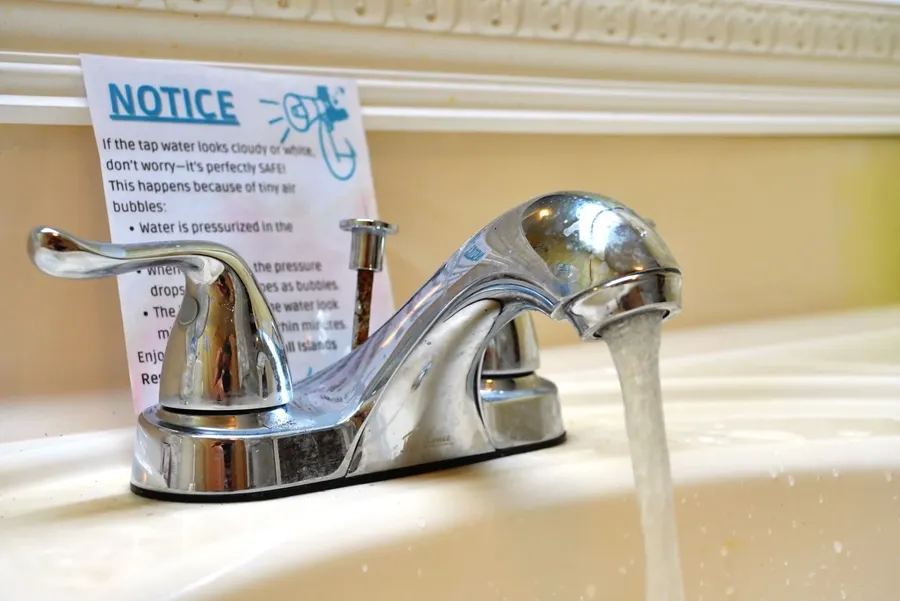
It's important to note that some hotel bathrooms have signs stating that the water is "safe". However, this means "safe to brush your teeth", rather than safe to drink.
%20CREDIT%20TongaPocketGuide.com.webp?v=2026-07-22T17%3A09%3A00.842Z)
The Best Ways to Make Sure Water is Safe to Drink
As we’ve established, treating drinking water in the Marshall Islands is a good idea for travellers. We understand, however, that there are some challenges when it comes to making sure water is safe to drink, like having access to facilities to boil water or the environmental implications of buying bottled water.
That’s why we have prepared a few ways to purify water so you can put that in your knowledge bank for any tropical adventure!
Boil the Water
Bringing the water to a boil is probably the best-known method of purifying water. It helps kill parasites, bacteria and viruses, making water much safer to drink. Plus, it is the cheapest water purifying method out there.
A kettle can be useful, but make sure the water reaches a proper boil. If you want to ensure you can use this method to treat water, check out accommodations with kitchen facilities in Where to Stay in the Marshall Islands.
Use Water Purification Tablets
Use your own water bottle, drop in a water purifying tablet and voilà! This method has been trialled and tested for years and, despite the fact that it can give a bit of a weird taste to the water, it is widely used by travellers around the globe.
If the taste is an issue for you, try a water-purifying solution. Although a bit more expensive, it usually offers better taste and water clarity than tablets. Price-wise, this is still going to save you plenty compared to buying bottled water all trip long.
Buy a Water-Purifying Water Bottle
By far our favourite solution of them all, water-purifying bottles like the Lifestraw Bottle removes 99.9999% of waterborne bacteria and 99.9% of waterborne protozoan. That means that there is no boiling necessary and that you can fill up your water bottle from any tap in the Marshall Islands and know that you have a filtration system with you.
While they are not the cheapest option, once the initial purchase is done, all you have to do is replace the filtration cartridge when it expires.
Although there are alternative brands to Lifestraw, this is just the one that the MarshallIslandsPocketGuide.com team use when travelling the Pacific, so we can recommend it with confidence. When looking for alternatives, make sure to check whether the product is designed to remove bacteria, protozoa, viruses or only sediment, odours and unpleasant tastes.
For more handy things to pack for the Marshall Islands, check out What to Pack for the Marshall Islands: A Full Packing List.
More About Health and Safety for Visiting the Marshall Islands
That's it for our guide to drinking tap water in the Marshall Islands but by no means the end of our Marshall Islands advice. Check out more health and safety tips in the following articles:
- The Best Sunscreens for the Marshall Islands + Sun Protection Tips
- 10 Best Insect Repellents for the Marshall Islands + How to Treat & Avoid Bites
- Marshall Islands Safety Tips: Is it Safe to Travel to the Marshall Islands?
Finally, get more essential advice from The Complete Travel Guide to the Marshall Islands or the 30 Tips for Travelling in the Marshall Islands.
-SEB%20CREDIT%20MarshallIslandsPocketGuide.com-900x633.webp?v=2026-07-23T03%3A25%3A07.979Z)