Mosquito Repellents for the Marshall Islands That are Also Better for You and the Environment
The downside to tropical getaways is the associated bugs and mosquitoes. However, spraying yourself with smelly and unhealthy chemicals to avoid itchy bites puts more of a downer on the said downside!
Keep yourself, your loved ones, and the beautiful environment of the Marshall Islands safe by using more sustainable and natural mosquito repellents.
In this list of the best insect repellents for the Marshall Islands, we not only list the plant-based DEET-free insect repellent sprays that actually work but a whole range of products so you can find something to suit your tastes.
Are There Mosquitoes in the Marshall Islands?
Yes, there are mosquitoes in the Marshall Islands. The tropical climate and reliance on stored rainwater create ideal breeding conditions for species like Aedes aegypti and Aedes albopictus. These mosquitoes are known to transmit tropical diseases such as dengue fever and chikungunya. Because of this, it is highly recommended to take precautions to prevent bug bites.
Are There Lots of Mosquitoes in the Marshall Islands?
In urban areas like Majuro and Ebeye, the mosquito populations are not too prolific. In more natural places like the Majuro Lagoon islands and many of the outer atolls, be prepared for more mosquitoes. Nevertheless, you should always be prepared with mosquito repellent, even in Majuro and Ebeye.
Does DEET work on Mosquitoes in the Marshall Islands?
Yes, DEET mosquito repellents work well for the Marshall Islands. Most health agencies recommend products containing DEET (diethyltoluamide) at a concentration of less than 35%.
Since DEET is a potent chemical, this article highlights other options that work, as well as DEET options that do not harm the planet or your health.
This article is based on real on-the-ground research, not on AI scraping old content from the internet. Learn how we use AI!
Table of Contents
1.Murphy’s Naturals Mosquito Repellent Balm
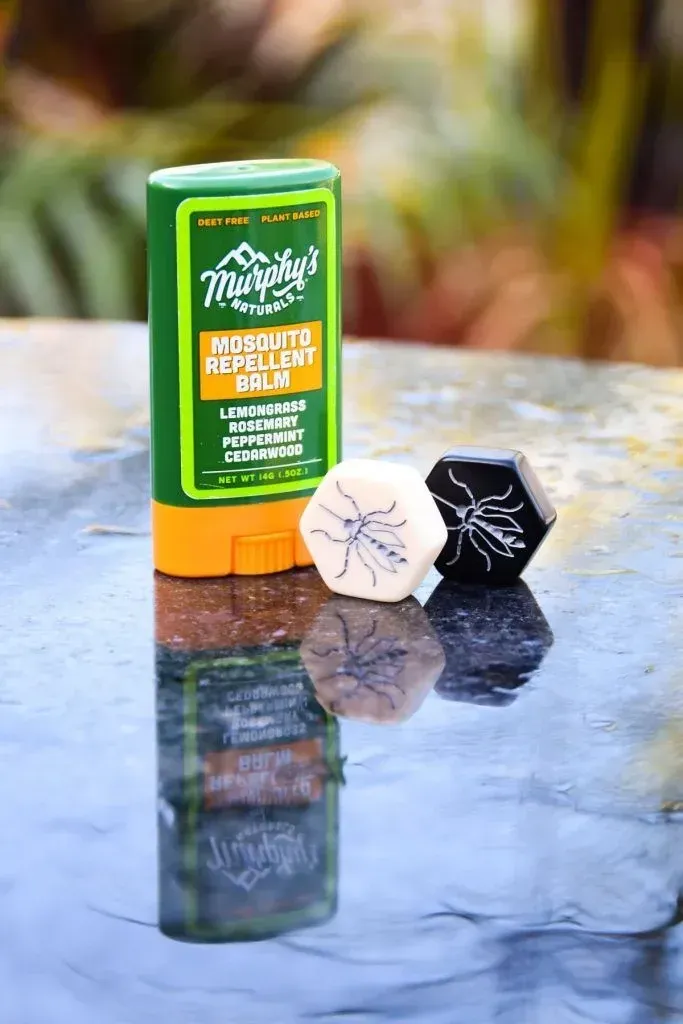
We’ve used their insect repellent sticks for a few of our South Pacific travels, but we couldn’t justify the amount of plastic packaging of Murphy’s Naturals to keep on purchasing them… Until they released their effective formula in a tin!
The combination of lemongrass, cedarwood, peppermint and rosemary is usually a good win for keeping mosquitoes at bay for a couple of hours. What’s more, it smells great!
If you don't manage to pick some up before arrival, we have seen Murphy's sold at K&K Island Pride Supermarket on Majuro (when shelves are well-stocked).
Check out Murphy’s Naturals Mosquito Repellent Balm on Amazon.
2.Badger Anti-Bug Balm
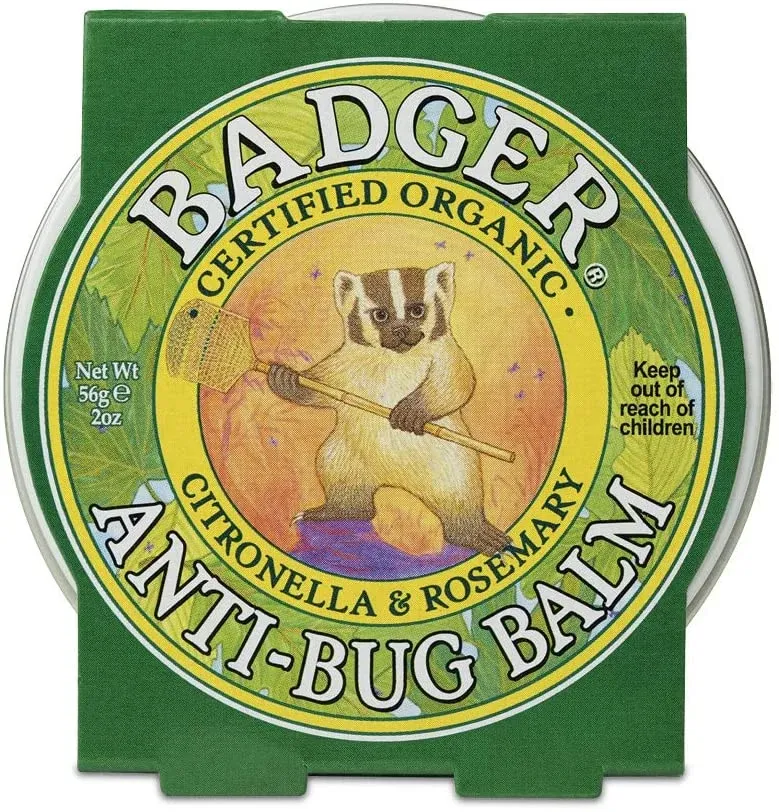
Keeps mosquitoes at bay; check! No nasty chemicals; check! Plastic-free; check! Badger Anti-Bug Balm is a good all-rounder for protecting yourself against mosquitoes in the Marshall Islands, especially for those coming from the US where it’s easier to source.
The organic and natural mosquito repellent is based on citronella, cedar and lemongrass. Badger also offers sprays in aluminium bottles (although have plastic lids) and balm sticks.
Check out Badger Anti-Bug Balm on Amazon.
3.REPEL Insect Repellent Spray
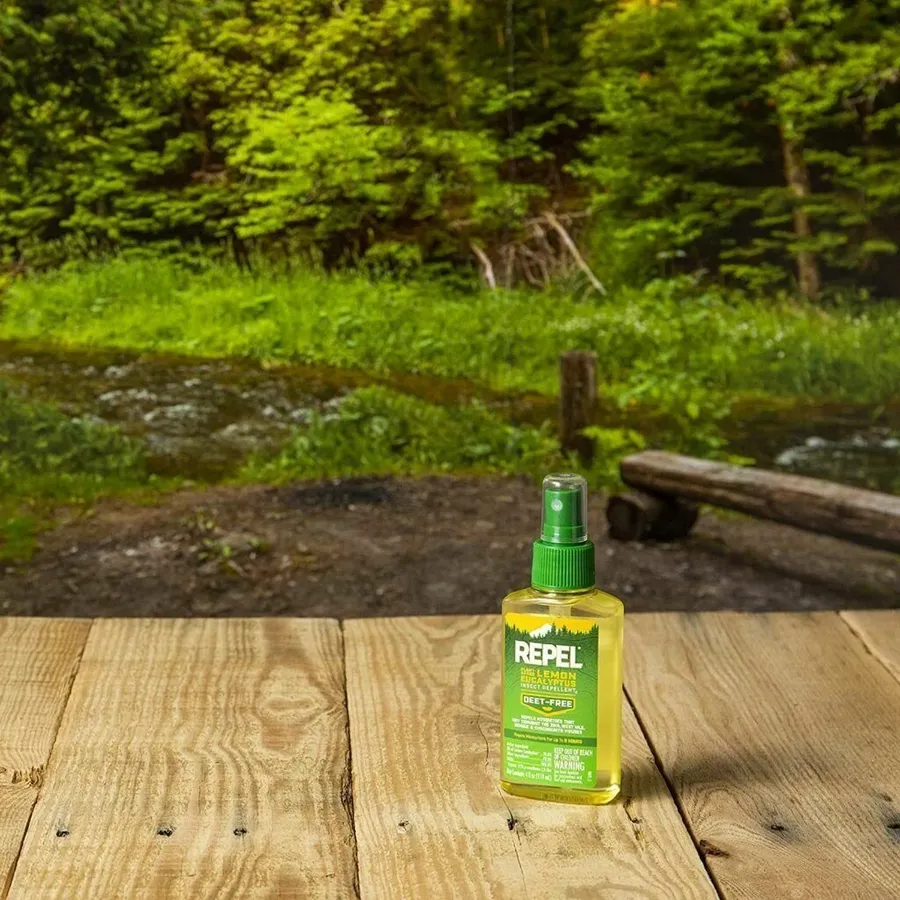
One of the leaders of the DEET-free insect repellent market is REPEL and for good reason. The environmentally friendly spray with lemon and eucalyptus extract not only effectively keeps mosquitoes at bay, but smells pretty good too.
Plus, the formula is non-greasy, meaning no stains on your holiday clothes, which, by the way, if you don’t know what to pack, see our Full Marshall Islands Packing List.
Learn more about REPEL Insect Repellent Spray on Amazon.
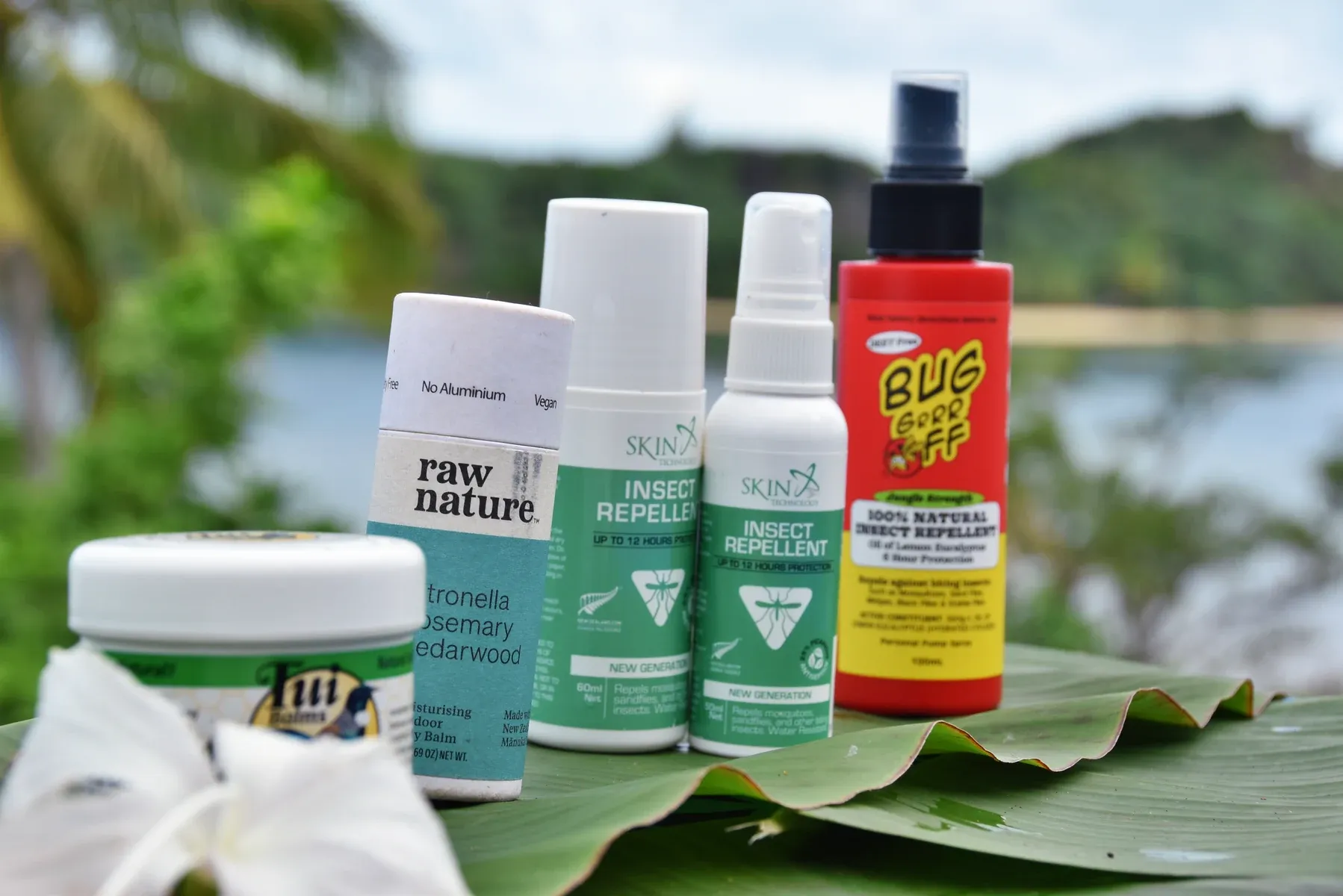
4.Raw Nature Bug Repellent
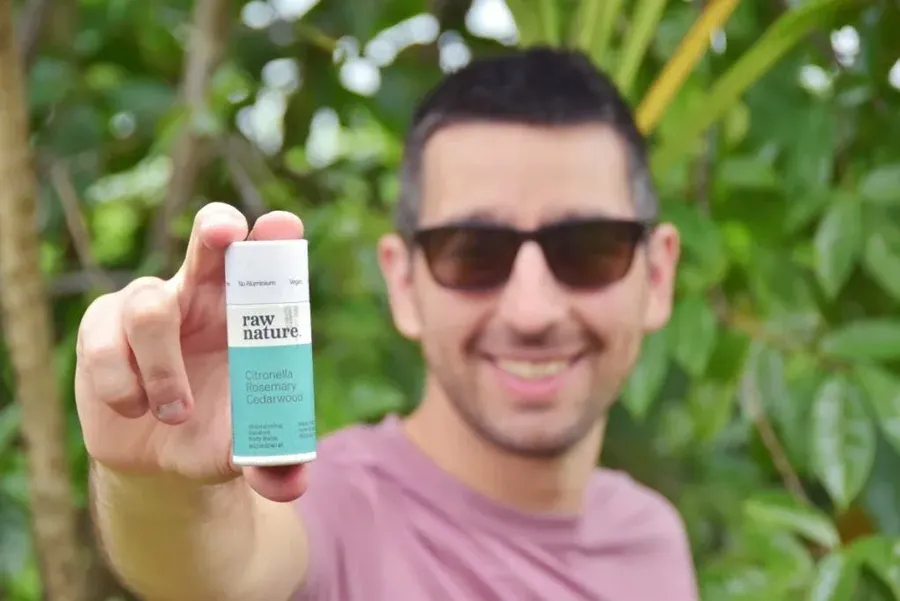
Our top pick for those who can pick it up in New Zealand before heading to the Marshall Islands, Raw Nature Bug Repellent, not only works but it comes in a cardboard tube, getting extra eco-points from us!
The citronella, cedarwood and rosemary combo smells delicious (but awful to the mosquitoes, but that’s the point!) The shea butter with anti-inflammatory and antibacterial properties combined with New Zealand manuka oil rolls on effortlessly. Look out for this brand in New Zealand pharmacies and Farmers.
5.“No-Bite-Me” Insect Repellent and After-Bite Cream by SallyeAnder
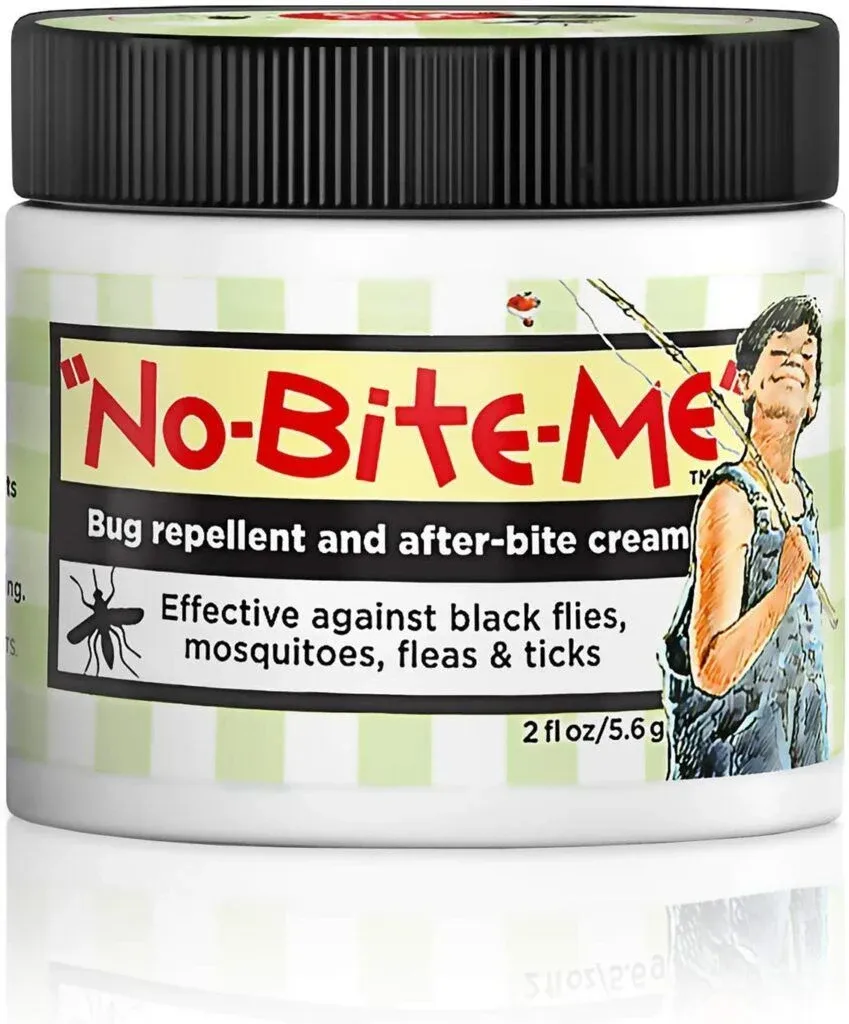
Swap spray for a natural cream with this “No-Bite-Me” Insect Repellent Cream by SallyeAnder. No nasties are present in the ingredients of this eco-friendly mosquito repellent, with active ingredients including eugenol, cedar oil, rosemary oil, lemongrass oil, and more.
The repellent is free from paraben, DEET and alcohol and is safe for kids and infants.
Check out the SallyeAnder No-Bite-MeCream on Amazon.
6.Outdoor Essential Oil
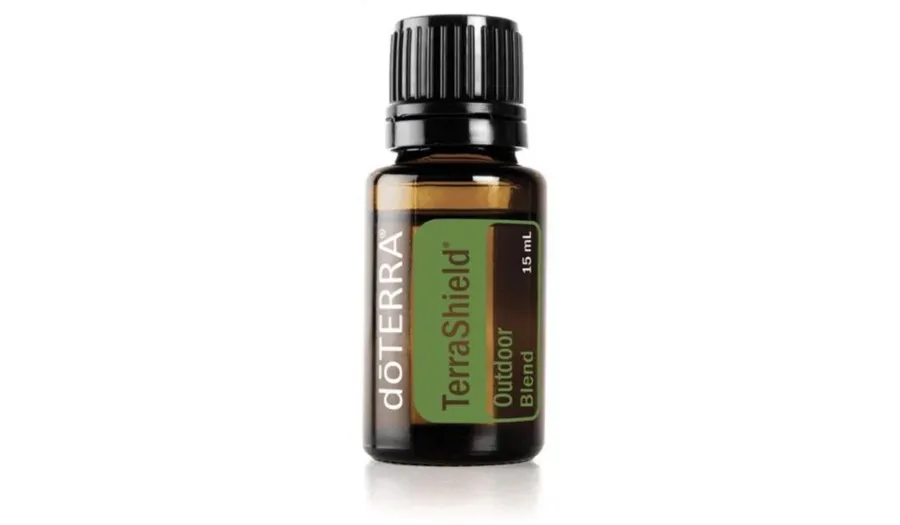
Compact to use when travelling and useful to diffuse at your accommodation, the Outdoor Essential Oil by TerraShield is a natural repellent for unwanted bugs, including mosquitoes. The essential oil uses natural ingredients, such as ylang-ylang, cedarwood, catnip, lemon eucalyptus, vanilla bean absolute and more.
A few drops on your arms, legs and neck is usually enough to keep the bugs at bay for a few hours.
Find out more about TerraShield Outdoor Essential Oil on Amazon.
7.Insect Repellent Soap
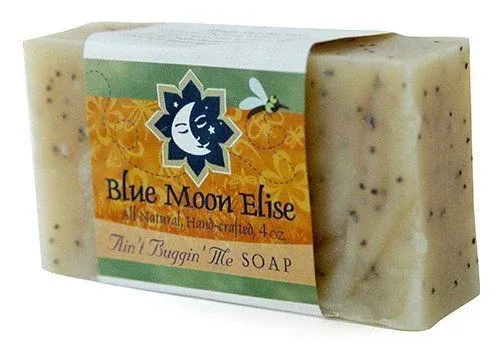
As easy as taking your morning or evening shower, Insect Repellent Soap is well worth considering. Just replace your normal soap or body wash with a soap bar made with citronella and lemongrass.
We recommend the Insect Repellent Bar from Blue Moon Elise, which is available on Amazon.
8.Insect Repellent Clothing
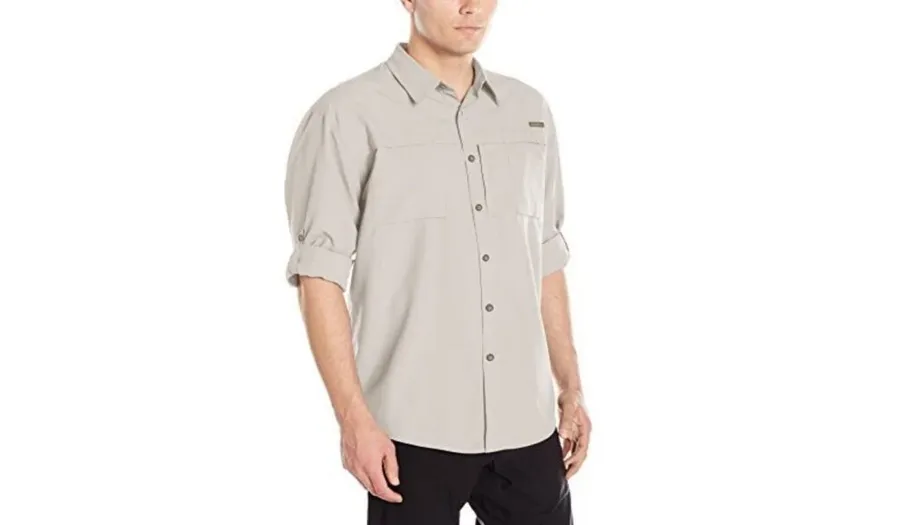
Ok, so any clothing protects the covered parts of your body from mosquito bites, but what about repelling mosquitoes away from your body altogether to spare your exposed hands and ears? Meet clothing made with insect-repellent technology!
Combining UV and insect protection, clothing with patented technologies like “No Fly Zone” and “Bug’s Away”. The clothes typically keep their bug-repellent capabilities for around 50-60 washes.
A recommended insect-repellent clothing brand is ExOfficio, which does both men’s insect-repellent apparel and women’s insect apparel on Amazon.
9.Natural Mosquito Repellent Sticker
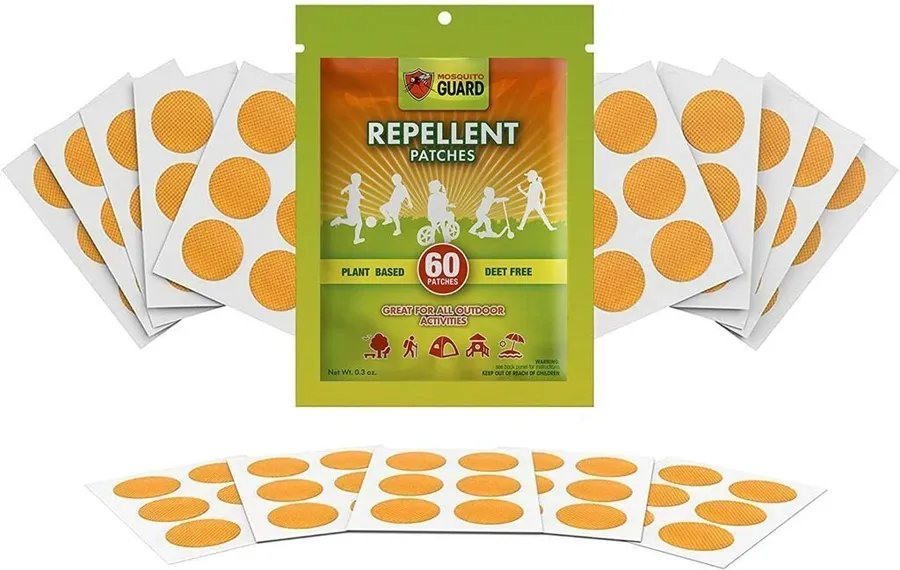
A good one for the kids, natural mosquito repellent stickers are as easy to use as simply sticking one of the stickers to the little one’s T-shirt, shorts or bag. The active ingredients in these clever stickers include citronella and lemon. Of course, the stickers are DEET-free.
Check out Natural Mosquito Repellent Stickers from Mosquito Guard on Amazon.
10.Mosquito Repellent Bracelets
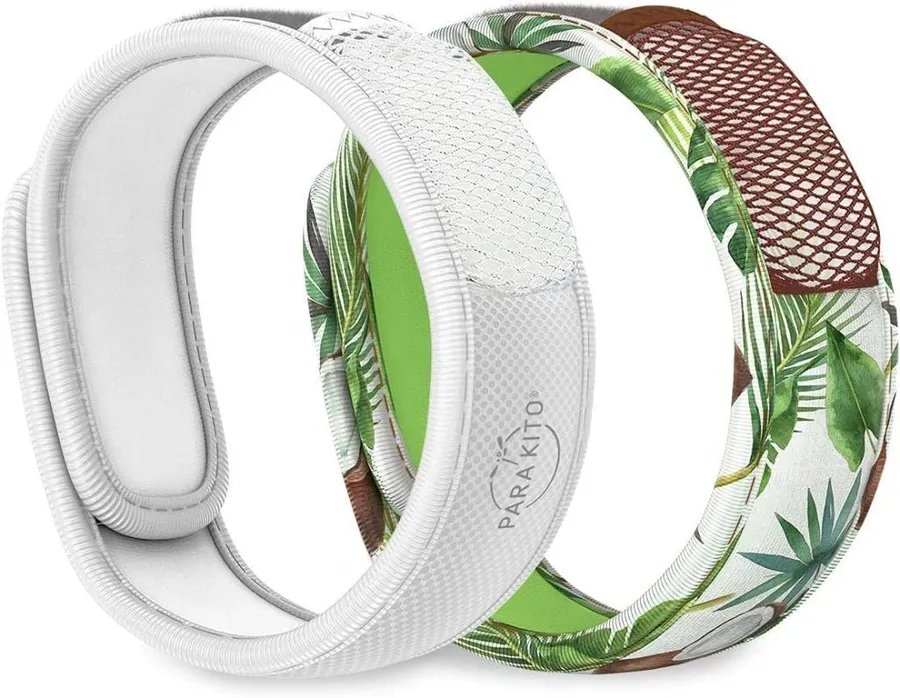
Each bracelet, on top of being colourfully fashionable, provides 15 continuous days of protection. Infused with powerful citronella, rosemary, geranium, mint and more, these Para’Kito Bracelets only require you to change the active pellets once every 15 days.
As soon as your bracelet stops smelling, just pop in a new pellet and you’re back protected. Keep in mind that once opened, the 15 days kick in, so using the bracelet for a few days now and a few days later won’t work…
Check out the Para’Kito Bracelets on Amazon.
11.Insect Repellent Wipes
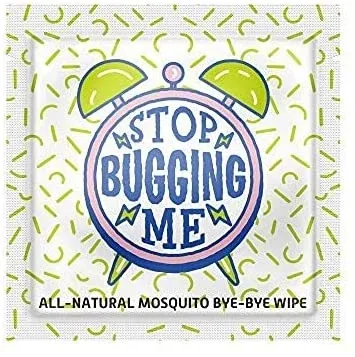
Using natural ingredients like geranium oil, these insect repellent wipes are not our top choice because of all of the packaging but at least they are an alternative option for natural insect repellent for the Marshall Islands should you need it.
Each wipe is individually sealed to lock in the active ingredients until opened when all you need to do is wipe the areas you want to protect. Wipes typically give around six hours of protection.
For more health products to pack for the Marshall Islands, see What Medication to Pack in Your First Aid Kit for the Marshall Islands.
Check out La Fresh Mosquito Repellent Wipes on Amazon.
Alternative Ways to Avoid Insect Bites in the Marshall Islands
There are several ways to reduce insect bites without relying entirely on insect repellent. Wearing long-sleeved clothing, staying away from stagnant water and bringing your own mosquito net are all useful precautions to take in the Marshall Islands.
1. Wear Long-Sleeved Clothing
The principle is simple: mosquitoes cannot bite skin that they cannot reach. Wearing a lightweight long-sleeved top and trousers can therefore make a noticeable difference, particularly in the early morning, late afternoon and evening.
Choose loose-fitting clothing made from breathable fabrics so that you remain comfortable in the Marshall Islands’ warm tropical climate.
2. Bring Your Own Mosquito Net
Mosquito nets and insect screens are not common at accommodation in the Marshall Islands, especially in Majuro. Rooms may rely on air conditioning or electric fans instead, while more basic accommodation may have open windows without screens.
Ask your accommodation what protection is provided before your stay. If you are staying somewhere without air conditioning or well-fitted insect screens, consider bringing your own travel mosquito net. Mosquito coils, plug-in repellents and other mosquito-kit items can also be difficult to find, so it is best to pack your own.
Check out more useful items to bring in our Marshall Islands Packing List.
3. Don’t Stay Near Stagnant Water
Mosquitoes lay their eggs in stagnant water, so avoid spending unnecessary time beside puddles, uncovered containers, blocked drains and other areas where water has collected.
Check around your accommodation for buckets, plant containers or other items holding rainwater. When choosing somewhere to sit outdoors, a breezy area away from stagnant water is usually the more comfortable option.
4. Take Vitamin B
Some travellers take vitamin B supplements or eat foods rich in vitamin B in the belief that it makes them less attractive to mosquitoes. However, there is limited evidence that vitamin B prevents mosquito bites, so it should not replace proven precautions such as insect repellent and protective clothing.
Speak to a doctor or pharmacist before taking supplements, particularly if you have an existing medical condition or take other medication.
For more travel-health essentials, see What Medication to Pack in Your First Aid Kit for the Marshall Islands.
5. Don’t Go Out Straight After the Rain
Mosquitoes can become more noticeable during wet and humid conditions, particularly when rain leaves puddles and other areas of standing water.
If mosquitoes tend to target you, consider waiting for the rain to clear before spending time outdoors. Otherwise, cover exposed skin and apply insect repellent before heading out.
In the meantime, you can check out one of the amazing museums in the Marshall Islands. Otherwise, what about grabbing a bite to eat in one of the wonderful eateries around?
For ways to spend a wet day, check out our guide to the Things to Do in the Marshall Islands on a Rainy Day.
How to Treat Mosquito Bites
If you still manage to get bitten by mosquitoes, then a few remedies to fight the itch include:
- Take Antihistamine – The main purpose of taking antihistamines before or after being bitten by a mosquito is to remedy allergic reactions. They also help prevent or soothe itching. What’s more, antihistamine is even known to help prevent getting bitten in the first place! However, if you have any doubts about taking antihistamine tablets, it’s always best to consult with your doctor first.
- Apply Antiseptic Cream – When thinking about what to pack in your first aid kit for the Marshall Islands, we suggest packing a good antiseptic cream. It is particularly helpful to disinfect and soothe mosquito bites. Keeping on top of your bites is the best way to cope with mosquitoes if you start getting bitten.
- Use a Mosquito Bite-Soothing Gadget – Commonly known as a “Zapit” device, these mosquito-soothing devices are nifty little gadgets to help reduce the urge to scratch your itchy mosquito bites. Just hold the device over your skin and press the button to release a quick burst of electricity on the affected area. Some devices also allow you to adjust the strength of the zap to make it suitable for kids. Check out popular Zapit devices like Bite Helper.
- Apply Ice – Histamines, which cause the itchiness associated with mosquito bites, dilate blood vessels filling the area bitten with excess blood. The cold, however, can help constrict blood vessels and make the area feel a lot less itchy. So put some ice or an ice pack on your mosquito bite.
Finally, Get Your Vaccinations Done
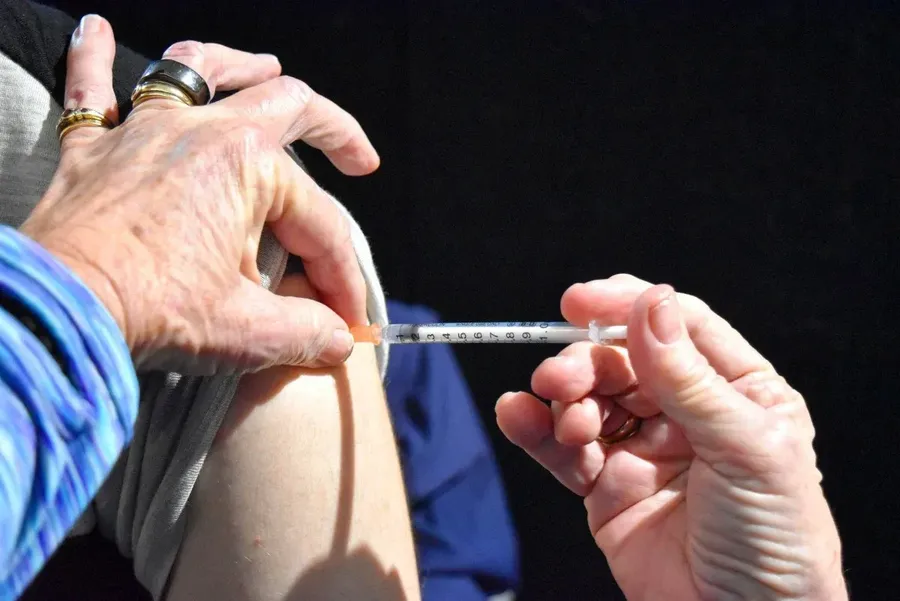
Although routine travel vaccinations do not replace mosquito-bite precautions, this is a good opportunity to make sure your vaccinations are up to date before visiting the Marshall Islands.
The vaccinations recommended for your trip may depend on your medical history, planned activities and the length of your stay. Speak to a doctor or travel-health professional well before departure for personalised advice.
What's more, you are required to have certain vaccinations to enter the country, which we outline in our guide, Do You Need Vaccines to Travel to the Marshall Islands?
More About Health, Safety and Sustainability in the Marshall Islands
That’s it for our guides on how to prevent mosquito bites in the Marshall Islands as well as some of our recommended insect repellents for the Marshall Islands. Check out some of the other health and safety guides:
- What Medication to Pack in Your First Aid Kit for the Marshall Islands
- 10 Best Reef-Safe Sunscreens for the Marshall Islands
- Is the Water Safe to Drink in the Marshall Islands?
Finally, make more sustainable choices by following our 31 Ways to Travel More Sustainably in the Marshall Islands.

-SEB%20CREDIT%20MarshallIslandsPocketGuide.com-900x633.webp?v=2026-07-23T03%3A25%3A07.979Z)