

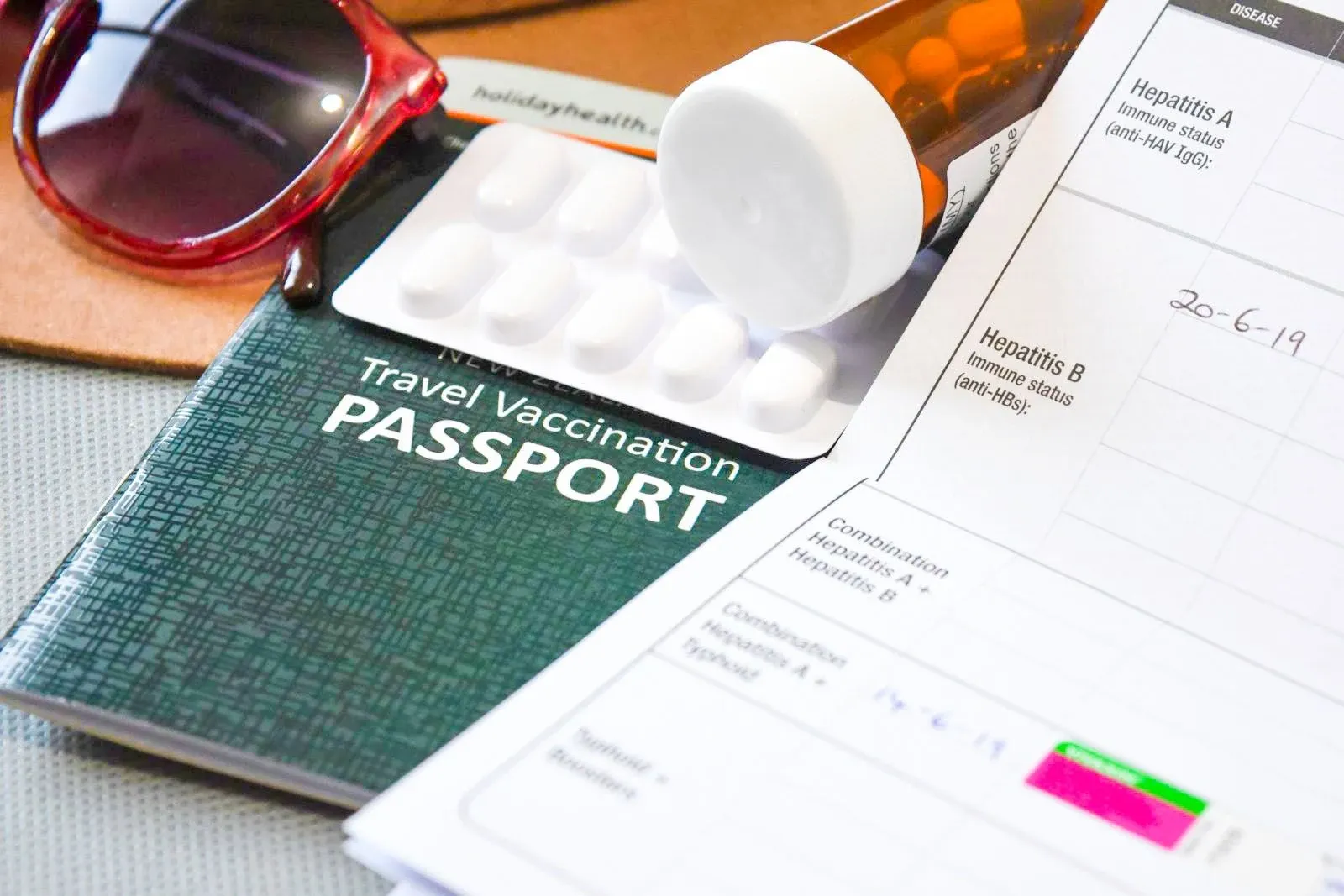
Travel Vaccination Advice for the Marshall Islands
Which vaccines should you consider before travelling to the Marshall Islands, and which vaccination certificates might be checked when you arrive?
This guide explains the current vaccination entry requirements, the travel vaccines recommended by health authorities and the local history behind those recommendations. We also cover mosquito-borne illnesses, food and water risks and other health issues that cannot necessarily be prevented through vaccination.
Travel health recommendations and border rules can change, so arrange an appointment with a travel clinic or GP around four to six weeks before departure and check the latest entry information shortly before you travel.
This article is based on real on-the-ground research, not on AI scraping old content from the internet. Learn how we use AI!
Table of Contents
What Vaccinations Do You Need to Enter the Marshall Islands?
For most travellers, there are no special mandatory vaccinations required to enter the Marshall Islands.
That said, there are a few important entry requirements to know about: children aged four and under may need to show proof of having had the MMR (measles, mumps, rubella) vaccine.
It's also worth noting that cholera and yellow fever immunisations are required for those arriving from infected areas.
We break down all the suggested vaccinations for visiting the Marshall Islands in the guide below.
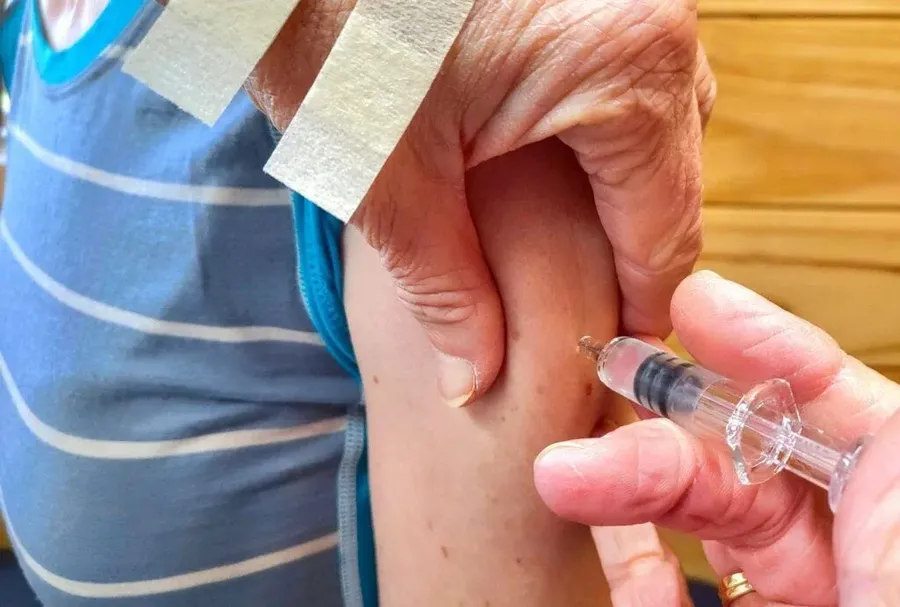
Required Vaccinations for the Marshall Islands
Depending on your age and recent travel history, the vaccination certificates that may be required are:
- Measles or MMR vaccination: Your measles vaccination must be up to date. Children aged four and under may need to show proof of having had the MMR (measles, mumps, rubella) vaccine at the border.
- Yellow fever vaccination: Carry a valid yellow fever certificate if you are travelling from a country with a risk of yellow fever transmission. This may also apply after certain airport transits, so check the rules for your complete itinerary.
- Cholera vaccination: Carry a valid cholera vaccination certificate if you are arriving from infected or endemic areas.
Do You Need a COVID-19 Vaccination to Enter the Marshall Islands?
No, travellers do not currently need to show proof of COVID-19 vaccination to enter the Marshall Islands.
The Marshall Islands Ministry of Health and Human Services announced that the remaining COVID-19 travel requirements were lifted in May 2023.
COVID-19 vaccination is still recommended for personal health rather than as an entry requirement. The CDC advises eligible international travellers to be up to date with the COVID-19 vaccines recommended in their home country.
This may be especially important in the Marshall Islands because advanced medical treatment is limited outside Majuro and Ebeye, and serious cases may require an expensive medical evacuation.
In the event of any policy change, we will update this page as well as our full guide on What Documents Do I Need to Travel to the Marshall Islands?
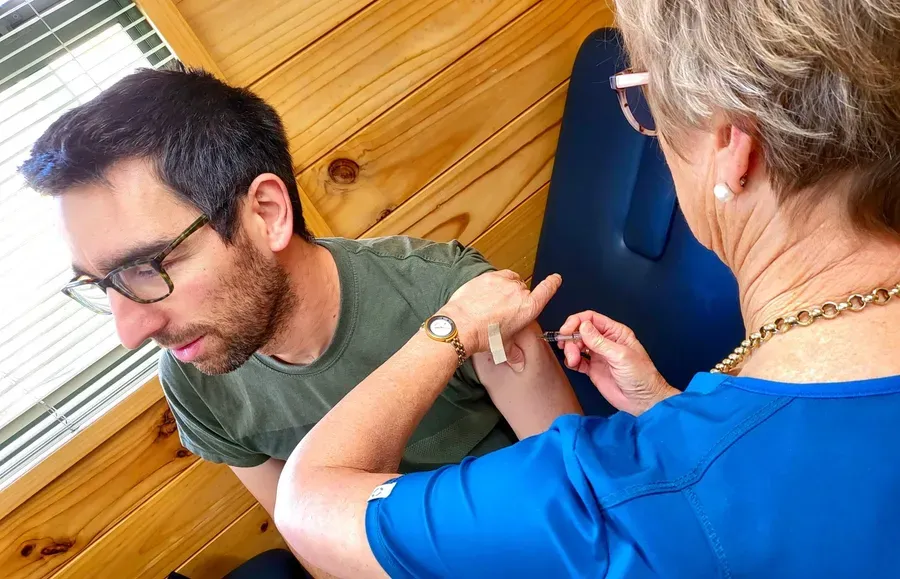
Recommended Vaccinations for the Marshall Islands
The likelihood of most visitors developing a vaccine-preventable illness is relatively low when sensible precautions are followed. However, the Marshall Islands has experienced outbreaks of hepatitis A, typhoid and measles, while hepatitis B has historically been endemic in parts of the Pacific.
The risk may be higher if you are staying for an extended period, visiting friends or relatives, travelling to outer atolls or eating and drinking in places where sanitation standards vary.
Visit a travel clinic or GP around four to six weeks before your trip. Bring your vaccination record so your health professional can check whether you need any routine boosters or destination-specific vaccines.
Travel Vaccinations for the Marshall Islands
Hepatitis A Vaccine
Hepatitis A is a viral liver infection spread through contaminated food and water or close contact with an infected person.
The CDC recommends hepatitis A vaccination for unvaccinated travellers aged one year or older visiting the Marshall Islands. The Marshall Islands experienced a significant hepatitis A outbreak between September 2016 and July 2017. A total of 194 outbreak-associated cases were recorded, most of which occurred on Majuro.
Hepatitis B Vaccine
Hepatitis B is spread through infected blood and body fluids. Exposure can occur through sexual contact, shared needles, tattoos, piercings or medical and dental procedures using inadequately sterilised equipment.
Typhoid Vaccine
Typhoid spreads through contaminated food and water. The typhoid vaccine is recommended for most travellers to the Marshall Islands, especially if you will be staying with friends or relatives, visiting outer islands or eating in places where food hygiene may vary.
The typhoid vaccine does not provide complete protection, so you should continue to follow food and water hygiene precautions after vaccination.
COVID-19 Vaccine
A COVID-19 vaccination is not currently required to enter the Marshall Islands, but it is still recommended for travel health. The CDC advises eligible travellers to be up to date with their COVID-19 vaccines before visiting.
Routine Vaccinations
Measles Mumps Rubella (MMR) Vaccine
The MMR vaccine is given to children as routine in many countries. For visiting the Marshall Islands, it is a requirement to be vaccinated, at least for measles.
All international travellers should be fully vaccinated against measles. Infants aged six to 11 months may need an early travel dose, while older children and adults without evidence of immunity may need two documented doses. Children aged four years and under may need to show proof of a measles vaccination upon entry to the Marshall Islands.
Tetanus, Diphtheria and Pertussis (TDAP) Vaccine
Tetanus, diphtheria and pertussis are covered by routine childhood vaccination programmes in many countries, but adults may require booster doses.
Tetanus bacteria can enter the body through cuts and puncture wounds, which makes an up-to-date vaccination particularly useful for travellers swimming around coral, cycling or taking part in outdoor activities.
Polio Vaccine
The polio vaccine is considered routine for children in many countries. Adults who were vaccinated as children may still need a booster depending on their vaccination history and travel plans.
Flu Vaccine
The flu vaccine is recommended as part of routine travel health preparation, especially for older travellers, pregnant travellers, children and those with existing health conditions.
Chickenpox Vaccine
The chickenpox vaccine is recommended for travellers who have not had chickenpox or have not been vaccinated against it.
Meningitis Vaccine
Meningococcal disease, which causes meningitis, is a rare but serious communicable disease threat to the Marshall Islands, influenced by local factors like regional climate challenges, overcrowding, and varying access to specialised medical infrastructure. The vaccine is recommended for anyone unvaccinated or at an increased risk.
Health Issues to Be Aware of in the Marshall Islands
While the Marshall Islands is safe for most travellers, there are a few health issues that are worth being aware of before you go. Take a look at the list below of some that you need to know about. For more information on symptoms, see Marshall Islands Safety Tips: Is It Safe to Travel to the Marshall Islands?
Dengue Fever
Dengue fever is transmitted through the bite of an infected Aedes mosquito. These mosquitoes are generally most active during the daytime.
Symptoms can include fever, severe headaches, pain behind the eyes, muscle and joint pain, nausea and a rash. Severe dengue can require urgent hospital treatment.
The Marshall Islands experienced a nationwide dengue outbreak between 2019 and 2021 involving 1,908 recorded cases. The outbreak began on Ebeye before transmission continued for more than a year on Majuro.
There is no standard travel vaccine for dengue, so the best way to prevent it is to avoid being bitten by day-biting mosquitoes.
See the 10 Best Insect Repellents for the Marshall Islands + How to Treat & Avoid Bites for prevention methods.
Chikungunya
Chikungunya is another mosquito-borne disease spread by day-biting Aedes mosquitoes. Symptoms commonly include fever, rash and severe joint pain, which can sometimes continue after the initial infection has passed.
An outbreak was reported in the Marshall Islands during 2015, demonstrating that local transmission is possible when the virus is introduced.
Again, see the 10 Best Insect Repellents for the Marshall Islands + How to Treat & Avoid Bites for prevention methods.
Heatstroke
Heatstroke is caused by long periods of sun exposure and overheating, which is something to take seriously in the Marshall Islands’ tropical climate.
It can be prevented by applying high-factor sunscreen regularly, covering up exposed skin, staying in the shade at midday and drinking plenty of safe water. Check out our recommended sunscreens and sun protection advice in The Best Sunscreens for the Marshall Islands + Sun Protection Tips.
Traveller’s Diarrhoea
Traveller’s diarrhoea may be caused by bacteria such as E. coli, as well as viruses or parasites found in contaminated food and water.
Symptoms can include stomach cramps, diarrhoea, nausea, vomiting and fever. Reduce the risk by washing your hands regularly, drinking safe or properly treated water and choosing food that has been thoroughly cooked and served hot.
If diarrhoea occurs, take frequent small sips of safe water and use an oral rehydration solution to replace lost fluids and salts. Seek medical assistance for bloody diarrhoea, a persistent high fever, severe dehydration or symptoms that do not improve.
See Is the Water Safe to Drink in the Marshall Islands? for more food and water hygiene advice.
Leptospirosis
Leptospirosis is a bacterial infection spread through water or soil contaminated with the urine of infected animals.
The CDC lists leptospirosis as a potential health risk in the Marshall Islands. Avoid swimming or wading in floodwater, particularly if you have open cuts or grazes, and do not drink untreated water.
Sunburn and Heatstroke
The combination of high temperatures, humidity and strong sunlight can cause sunburn, dehydration, heat exhaustion and heatstroke.
Symptoms of serious heat-related illness can include exhaustion, headaches, vomiting, confusion and loss of coordination.
Wear high-factor sunscreen, reapply it regularly and immediately after swimming, cover exposed skin and drink plenty of safe water. Limit strenuous outdoor activity during the hottest part of the day.
Move anyone showing signs of heatstroke into the shade, begin cooling them with wet towels and seek urgent medical assistance.
For more advice, see The Best Sunscreens for the Marshall Islands + Sun Protection Tips.
Ciguatera Fish Poisoning
Ciguatera is caused by eating reef fish that have accumulated naturally occurring toxins through the marine food chain.
Symptoms can include vomiting, diarrhoea, tingling or numbness and an unusual reversal of hot and cold sensations. Cooking, freezing or seasoning the fish does not destroy the toxin.
Reduce the risk by asking local advice about which reef fish and fishing areas should be avoided. Do not eat the head, liver, eggs or internal organs of large reef fish. Deep-water fish such as tuna are generally less likely to cause ciguatera than large reef predators.
Diving Decompression Illness
Scuba divers can develop decompression illness, commonly called “the bends”, by ascending too quickly or exceeding safe depth and timing limits.
Divers should follow conservative dive profiles, complete safety stops and leave sufficient time between their final dive and flying. At the time of writing, there was no reliably operating recompression chamber available in the Marshall Islands, so ensure your travel insurance covers diving accidents and emergency medical evacuation.
Coral Cuts
Cuts and grazes from coral can become infected and may take longer to heal than an ordinary cut.
Leave the water if you are injured, rinse the wound thoroughly with clean water, remove any visible debris and cover it with a clean dressing. Seek medical advice if the area becomes increasingly red, swollen, warm or painful.
Make sure you have suitable antiseptic and dressings in your Marshall Islands First Aid Kit. An up-to-date tetanus vaccination is also important when travelling somewhere that cuts and puncture wounds are possible.
More About Vaccines to Travel to the Marshall Islands + More Health Tips
That's it for our guide on vaccines required to travel to the Marshall Islands. For more health advice, check out the following guides:
- What Medication to Pack in Your First Aid Kit for the Marshall Islands
- Marshall Islands Safety Tips: Is it Safe to Travel to the Marshall Islands?
- Typhoon Safety in the Marshall Islands: How to Prepare for a Typhoon in the Marshall Islands
Finally, for more essential advice for the Marshall Islands, check out the 30 Tips for Travelling in the Marshall Islands.

-S%20CREDIT%20MarshallIslandsPocketGuide.com-900x345.webp?v=2026-07-23T03%3A40%3A08.241Z)
-SEB%20CREDIT%20MarshallIslandsPocketGuide.com-900x633.webp?v=2026-07-23T03%3A25%3A07.979Z)