

%20CREDIT%20MarshallIslandsPocketGuide.com.webp?v=2026-07-19T19%3A52%3A33.775Z)
Fishing in Majuro and the Marshall Islands: When to Go, Where to Go and What to Catch
Trolling for yellowfin tuna, battling a Pacific blue marlin, casting for giant trevally across remote reef flats or simply dropping a line from a dock in Majuro, fishing in the Marshall Islands can be as relaxed or as ambitious as you make it.
These far-flung atolls sit beside deep Pacific water, productive reef passages and enormous lagoons, creating year-round opportunities for both visiting anglers and local fishers. You can join a private charter, bring your own rod for land-based fishing or head to Ailinglaplap for a remote expedition where the next boat may be somewhere beyond the horizon.
So, here we are, the ultimate guide to fishing in the Marshall Islands. From the best places and fishing seasons to charter options, costs, restrictions and the fish most likely to test your knots, this is everything you need before casting off.
This article is based on real on-the-ground research, not on AI scraping old content from the internet. Learn how we use AI!
Table of Contents
Frequently Asked Questions About Fishing in the Marshall Islands
Before we dive deeper into this fishing guide, here are a few commonly asked questions about fishing in the Marshall Islands.
What Fish Can You Catch in the Marshall Islands?
You can catch Pacific blue marlin, sailfish, yellowfin tuna, skipjack tuna, wahoo, mahimahi, dogtooth tuna, barracuda, giant trevally and grouper.
The outer atolls also offer opportunities to target permit, triggerfish, Napoleon wrasse and other reef and bottom-dwelling species.
Where Can You Go Fishing in the Marshall Islands?
Majuro is the easiest place to organise a fishing charter or try land-based fishing from bridges, docks and suitable stretches of shoreline.
For a more remote experience, Ailinglaplap Atoll offers reef-flat casting, bluewater trolling and dedicated sportfishing expeditions from Beran Island Resort.
Do Tourists Need a Fishing Licence in Majuro and the Marshall Islands?
Tourists do not need a recreational fishing licence. However, all land is privately owned, so ask permission before crossing private property or fishing beside homes and community-managed shorelines.
Local rules can also apply around protected areas, traditional fishing grounds and marine reserves.
Can You Fish From Shore in the Marshall Islands?
Yes, shore fishing is possible around Majuro, particularly from accessible bridges, docks and ocean-facing stretches of the atoll.
Bring your own rod and tackle, as independent equipment hire is limited. Always ask permission where access involves private land.
Can You Keep the Fish You Catch in the Marshall Islands?
Catch policies depend on the charter. Some crews share the fish with local communities, while others allow guests to keep all or part of the catch.
Ask before departure, especially when you want the fish filleted, packed or prepared by your accommodation.
The Best Places for Fishing in the Marshall Islands
Fishing is part of everyday life across the Marshall Islands, where vast lagoons, reef passages and deep Pacific waters put everything from reef fish to powerful pelagics within reach.
For most visitors, the easiest places to organise a fishing trip are Majuro, where you can choose between independent shore fishing and boat charters, and Ailinglaplap, home to a remote private-island fishing experience.
Fishing in Majuro
As the capital and main arrival point for international travellers, Majuro offers the most accessible fishing in the Marshall Islands. You can cast from shore, join local anglers beside a dock or head beyond the reef on a private charter.
Shore and Land-Based Fishing in Majuro
Visitors do not currently need a fishing licence to fish around Majuro. However, customary land and marine rights remain important, so always ask the nearest landowner or local community before fishing from private land or an unfamiliar stretch of shoreline.
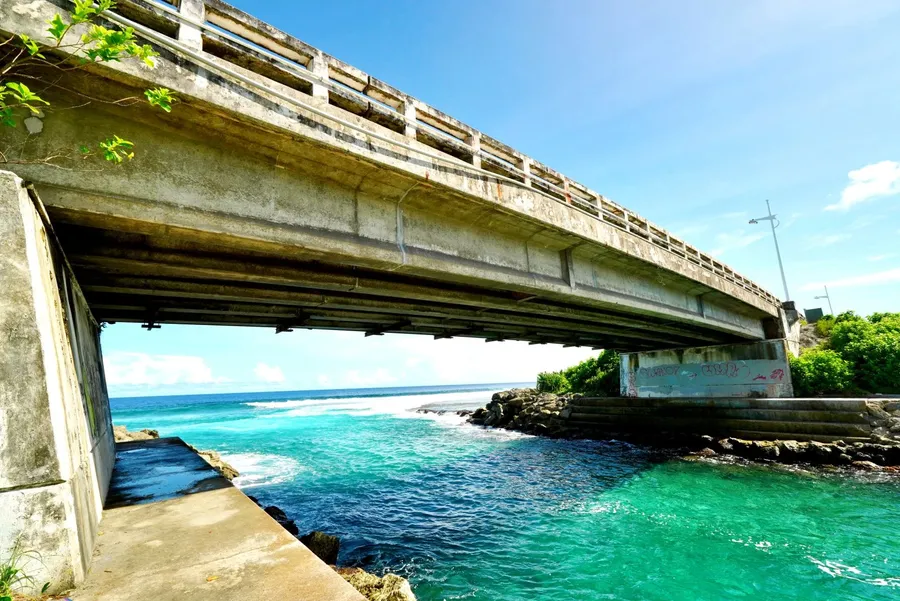
One of the best-known land-based spots is The Bridge, the main bridge on the way to the airport. It is common to find two or three local anglers fishing here, making it a convenient place to see what is biting and pick up a few pointers.
The docks and piers around the atoll are also popular. Almost any accessible dock can produce a catch, although the Airport Dock is a particular favourite among local fishers.
For ocean-side fishing, head towards Laura, where residents commonly cast directly from the reef-facing shoreline outside their homes. This is where you'll need to ask permission before setting up, especially when crossing residential land.
Inside the atoll, the Majuro Lagoon offers calmer conditions and plenty of local fishing activity. It becomes particularly lively around tournament season, when boats, crews and ambitious fish stories start appearing in equal numbers.
Bring your own rod, tackle and lures if you plan to fish independently. Standalone equipment hire is difficult to find, as most fishing gear is supplied as part of a charter rather than rented separately.
Boat Fishing in Majuro
Majuro has several private operators offering half-day and full-day fishing charters. Trolling is the most common technique, though handline fishing is becoming increasingly popular to target reef fish and give this more common local technique a go.
Depending on the operator and sea conditions, you may also be able to arrange bottom fishing, spearfishing, night fishing or longer expeditions to neighbouring atolls. Though note that operators will typically only take you night or spearfishing if you are experienced.
Most charters include rods, tackle, a cooler and ice, while some also provide snacks or lunch. Catch arrangements vary, so ask before departure whether the fish stays with the captain, is shared with the local community or can be prepared for you to take back to your accommodation.
Majuro is also home to an active sportfishing community, with regular tournaments attracting both local crews and visiting anglers. Even when you are not competing, tournament season is an excellent time to meet boat owners and learn more about local fishing conditions.
.webp?v=2026-07-13T22%3A02%3A40.590Z)
Fishing in Ailinglaplap
For a more remote fishing adventure, Ailinglaplap Atoll offers clear reef flats, bluewater drop-offs and significantly fewer boats competing for the same patch of ocean.
The main visitor base is Beran Island Resort, a private-island retreat reached from Majuro by charter flight to the Ailinglaplap airstrip. Fishing is incorporated into many stays, while dedicated expeditions are offered for anglers who want to build their entire trip around the water.
Dedicated sportfishing expeditions generally operate from April to October.
Fishing styles range from casting flies and lures across reef flats to trolling the surrounding bluewater. Flats anglers may also encounter permit, triggerfish and giant trevally.
Because trips are tailored to each group, experienced anglers can concentrate on a particular species or technique, while less-experienced guests can rely on guides to choose the most productive fishing for the conditions.
Beran Island Resort also arranges limited mothership expeditions to remote northern atolls in the Ralik Chain and Ratak Chain. These multi-day adventures use larger liveaboard vessels supported by smaller fishing boats, opening access to barely visited reefs, channels and offshore grounds.
These expeditions are designed for serious anglers targeting giant trevally, dogtooth tuna, yellowfin tuna, sailfish, marlin, Napoleon wrasse and an assortment of reef and bottom species. Places are extremely limited, so this is the sort of trip to organise well before you start packing the lucky fishing hat.
Discover more activities to add to your island itinerary with the 30 Best Things to Do on Majuro.
%20CREDIT%20MarshallIslandsPocketGuide.com.webp?v=2026-07-07T21%3A08%3A32.173Z)
What Fish Can You Catch in the Marshall Islands?
The headline catch is Pacific blue marlin, the prestige game fish of the Marshall Islands and a favourite among visiting big-game anglers. These powerful billfish are found in the deep waters beyond the reefs, with the most productive period usually falling between December and January.
Other pelagic species commonly targeted include:
- Pacific blue marlin
- Sailfish
- Yellowfin tuna
- Skipjack tuna
- Wahoo
- Mahimahi, also known as dorado or dolphinfish
- Dogtooth tuna
- Barracuda
- Giant trevally
- Grouper
Yellowfin tuna, skipjack tuna, wahoo, barracuda, mahimahi and giant trevally can be caught throughout the year. Skipjack tuna are particularly abundant and provide reliable action for both local fishers and visiting anglers.
Sailfish are also present year-round, although their numbers tend to rise from April to July.
Around the outer atolls like Ailinglaplap, anglers can explore reef flats, channels, offshore drop-offs and remote outer-atoll fishing grounds.
In addition to pelagic game fish, these waters can produce permit, triggerfish, Napoleon wrasse and a wide variety of reef and bottom-dwelling species.
%20CREDIT%20MarshallIslandsPocketGuide.com-900x586.webp?v=2026-07-10T20%3A40%3A49.749Z)
When Is the Best Time to Go Fishing?
Fishing is available year-round in the Marshall Islands, but the best time to visit depends on the species you want to catch and the type of trip you are planning.
Year-Round Fishing
Yellowfin tuna, skipjack tuna, wahoo, barracuda, Pacific blue marlin and giant trevally are targeted throughout the year.
Conditions, currents and baitfish movements can influence where these species are found, but there is no single short season in which they disappear entirely.
December to January: Mahimahi Season
December and January offer the main two-month window for targeting mahimhai. This is the period when serious big-game anglers are most likely to arrange dedicated trolling trips into the deep water outside the atolls.
April to July: Sailfish Peak Season
Sailfish can also be caught year-round, with periods of stronger activity from April to July, depending on local ocean conditions.
November to April: Fishing From Beran Island
The exclusive Beran Island Resort in Ailinglaplap generally operates its main watersports season from November to April. Fishing is included as part of guest stays during this period.
April to October: Dedicated Sportfishing Expeditions
From April to October, Beran Island Resort operates dedicated sportfishing charter expeditions for groups focused primarily on fishing.
Only four groups are accepted per season, with itineraries customised around preferred species and fishing techniques. Depending on the expedition, anglers may fish reef flats, offshore drop-offs or remote northern atolls reached by mothership.
Plan your trip around the weather, seasons and local conditions with The Best Time to Visit the Marshall Islands: A Month-by-Month Guide.
Monthly Fishing Tournaments in the Marshall Islands
The Marshalls Billfish Club runs fishing tournaments throughout the year, including monthly events based around Majuro.
Although it's something visitors can typically enter unless you have come with your own boat, watching the weigh-ins on shore is always an event. Tournament days are a great opportunity to meet local crews, see recent catches and learn which species are currently active.
Discover more celebrations and community events taking place throughout the year in the 5 Biggest Events & Festivals in the Marshall Islands.
-SEB%20CREDIT%20MarshallIslandsPocketGuide.com-900x601.webp?v=2026-07-07T21%3A08%3A36.583Z)
The Best Fishing Charters in the Marshall Islands
The Marshall Islands has a small but varied charter scene, ranging from straightforward trolling trips around Majuro to all-inclusive fishing expeditions from Ailinglaplap.
Most Majuro charters are privately operated, so trips tend to be flexible rather than fixed to a rigid itinerary. Sea conditions, recent catches and your group’s experience will usually determine where you go and how you fish.
Salty Services (Majuro)
Operating from Majuro aboard Jinekjej, Salty Services offers half-day and full-day charters for groups of up to six passengers.
Trolling is the main technique, with skipjack tuna, yellowfin tuna, mahimahi, wahoo, barracuda and occasional marlin among the usual targets. Handline-style bottom fishing can also be arranged when conditions allow.
Rods, tackle, a cooler and ice are provided, along with snacks on shorter trips and lunch on full-day outings. Lunch might be sandwiches or something grilled aboard the boat, which is certainly one way to make the other boats jealous.
Your skipper and guide, Beven, is also the Marshall Islands conservation coordinator for The Nature Conservancy, which adds useful context about marine protected areas, local communities and the history of the islands you pass along the way.
Catch is normally left with the captain and shared with the community around Shoreline Dock, helping ensure that little goes to waste.
Salty Services also arranges island picnics, lagoon transfers, snorkelling trips and occasional scuba diving in partnership with a local instructor. It is a particularly good choice for groups that want fishing mixed with conservation insight and a broader look around the atoll.
Hang Loose (Majuro)
Hang Loose with Larry specialises in full-day fishing trips from Majuro, with space for up to seven visiting anglers alongside the captain and deckhand.
Trolling is the preferred technique, while spearfishing can also be arranged. Spearfishers need to bring their own mask, snorkel and fins, although a weight belt may be available.
Rods, tackle, a cooler and ice are supplied, while guests should bring their own alcoholic drinks. Lunch can be arranged separately.
Multi-day expeditions to outer atolls such as Mili Atoll are also possible. These trips are customised, with guests staying ashore.
Catch traditionally stays with the captain, although visitors staying at local hotels may sometimes be given fish for the hotel kitchen to prepare. Confirm the arrangement before departure, particularly when landing a fish for dinner is part of your master plan.
Find Hang Loose's office inside Do It Best, opposite the Marshall Islands Resort.
.webp?v=2026-07-13T22%3A02%3A35.467Z)
Beran Island Resort (Ailinglaplap)
For a much more remote experience, Beran Island Resort offers private-island fishing from Ailinglaplap Atoll.
Guests travel from Majuro by charter aircraft before transferring from the airstrip to the resort. Fishing forms part of the experience during the main watersports season from November to April, while dedicated sportfishing expeditions operate from April to October.
Reef-flat fishing targets permit, triggerfish and giant trevally using flies or lures. Offshore trips pursue wahoo, mahimahi, yellowfin tuna, dogtooth tuna, sailfish and marlin.
Serious big-game anglers can also fish from a 54 ft (16.5 m) Hatteras game-fishing vessel. This is the option for anyone whose definition of “going fishing” involves fighting a marlin rather than waiting beside a pier with a sandwich.
For multi-day fishing expeditions, only four specialist fishing groups are accepted during the dedicated season, with a maximum of eight anglers in each group. Trips can be customised around preferred species, techniques and experience levels.
Accommodation, meals, drinks, transfers and many watersports are incorporated into the resort stay. Certified divers can also join recreational scuba trips, while snorkelling is available directly from the island.
For more ways to explore the lagoons and surrounding ocean, check out the 5 Best Boat Tours in Majuro & the Marshall Islands.
Bokanbotin Island Resort (Majuro)
Bokanbotin Island Resort combines private-island bungalow accommodation with fishing and marine charters around Majuro.
Both half-day and full-day fishing trips are available, with trolling for marlin and yellowfin tuna among the main options. Night bottom fishing can also be arranged for travellers who would rather watch a handline than a sunset.
Food, soft drinks and water are supplied during fishing trips. Guests normally keep their catch, which can be filleted and vacuum-packed on request.
This makes Bokanbotin one of the more convenient choices for anglers who want to take fish back to their accommodation rather than leave the full catch with the crew.
Other activities include snorkelling trips, visits to Arno Atoll, night diving and lobstering. Night diving and lobstering are intended for experienced divers, while snorkelling equipment is available in limited quantities.
The island’s protected lagoon area is also home to giant clams and other marine life, so non-fishing companions still have plenty to do while the anglers debate whose fish was definitely the biggest.
-%20BNCC%20CREDIT%20MarshallIslandsPocketGuide.com-900x601.webp?v=2026-07-08T19%3A48%3A13.093Z)
Where to Buy Fishing Gear in Majuro
Independent fishing gear is not widely available around Majuro, so bringing your own rod and tackle remains the safest option. However, if you need to pick up equipment after arriving, 7 Degrees North Marine is the main place to try.
The shop is located inside the K&K Island Pride Supermarket complex in Delap, Majuro. It stocks fishing rods and tackle, as well as snorkelling equipment, BCDs and lifejackets. Stock can vary, so serious anglers should still bring any specialist lures, line or other equipment they would be disappointed to fish without.
Fishing Restrictions in the Marshall Islands
Recreational fishing in the Marshall Islands is relatively straightforward, but local land rights, community-managed waters and marine conservation rules still need to be respected.
There is no general recreational fishing licence required for tourists. However, this does not mean that every shoreline, lagoon or reef is automatically open for visitors to fish.
Ask Permission Before Fishing From Shore
All land in the Marshall Islands is privately owned, including many of the access routes used to reach beaches, reefs, bridges and fishing spots.
Always ask the landowner, accommodation host or nearest community before fishing from shore or crossing private property. A polite conversation can prevent misunderstandings and may also lead to useful local advice about tides, currents and where the fish have been hiding.
For well-known fishing spots like the docks, along the airport runway and the Majuro Bridge, permission isn't usually required.
Permission is especially important on the outer atolls, where fishing grounds are often managed according to customary ownership and community rules.
Gear Restrictions
Local regulations state that you must not harvest fish using scuba gear or any other underwater breathing apparatus.
The use of chemicals, poisons and explosives is also prohibited.
Minimum-size rules tend to be expressly framed around commercial fishing, handling and sale, so recreational anglers should check with MIMRA or their charter captain before keeping protected reef species.
Turtle Fishing
Turtles have traditionally been harvested in parts of the Marshall Islands, but the practice is now discouraged.
The key restriction for visitors is that turtles cannot be sold. Given their conservation status and cultural importance, tourists should avoid catching, purchasing or requesting turtle meat altogether.
Grouper Spawning Closures
The Urok Fishing Club prohibits members from catching grouper during spawning season as part of its tournament rules. Although this is a club conservation measure rather than a general tourist fishing ban, visiting anglers should follow the same approach.
Spawning aggregations bring large numbers of grouper together in predictable locations, making them especially vulnerable to overfishing. Your captain or local fishing club can advise whether a voluntary closure is in place during your visit.
Marine Protected Areas and Community-Managed Waters
The Marshall Islands has a growing network of marine and terrestrial protected areas established through the Reimaanlok community-based resource management process.
Protected areas can have different rules. Some may allow subsistence fishing, while others operate as special reserves, restricted areas, traditional mo areas or full sanctuaries.
Access is determined in consultation with local landowners and communities. At present, there is no definitive public list showing which community-managed marine areas are open to tourists, so ask MIMRA, your accommodation or a local guide before fishing in an unfamiliar area.
This is particularly relevant when visiting outer atolls such as Arno Atoll, where communities have formal resource management plans. Arno is relatively accessible from Majuro, but fishing access should still be arranged locally rather than assumed.
The sanctuary-level sites at Biladang Bolak are effectively inaccessible to ordinary visitors. Located around 30 to 40 hours by boat from Majuro, these remote northern sites are currently reserved for scientific expeditions and management activities.
Ciguatera Fish Poisoning
Ciguatera is a form of food poisoning caused by toxins that accumulate in tropical reef fish, sometimes nicknamed "the itch" for the intense itching and unusual hot-and-cold sensations it causes.
Larger predatory species such as grouper, barracuda, moray eel and emperor fish carry the highest risk, though this varies by location.
Crucially, cooking, freezing or grilling does not destroy the toxin.
To reduce your risk, eat smaller fish, avoid internal organs and ask local fishers about which species and fishing grounds are currently considered unsafe.
Symptoms include nausea, diarrhoea, numbness, dizziness and a reversal of hot and cold sensations. Seek medical assistance promptly if you experience breathing difficulty, fainting or an irregular heartbeat after eating reef fish.
For more safety advice, check out Marshall Islands Safety Tips: Is it Safe to Travel to the Marshall Islands?
Commercial Fishing Rules
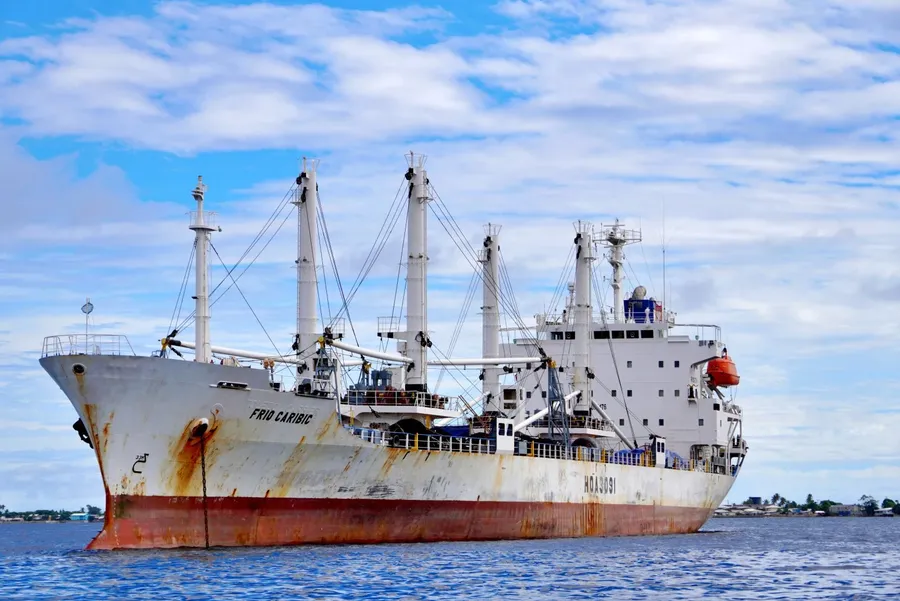
Commercial tuna fishing follows a separate regulatory system and should not be confused with recreational fishing.
Commercial vessels operate under regional management arrangements, including a vessel day scheme covering species such as skipjack tuna, yellowfin tuna, bigeye tuna and albacore tuna. These commercial regulations do not normally affect tourists fishing from shore or joining a licensed local charter.
More About Fishing in the Marshall Islands
Well, that's everything we can think of that you might need to know about fishing in the Marshall Islands. If you're interested in fishing, then you also might be interested in the following:
- 10 Best Boat Tours in the Marshall Islands
- The Ultimate Guide to Surfing in the Marshall Islands
- The Best Dive Shops & Operators in the Marshall Islands
Finally, discover more awesome experiences in the 101 Best Things to Do in the Marshall Islands: The Ultimate List.

-S%20CREDIT%20MarshallIslandsPocketGuide.com-900x345.webp?v=2026-07-23T03%3A40%3A08.241Z)
-SEB%20CREDIT%20MarshallIslandsPocketGuide.com-900x506.webp?v=2026-07-19T00%3A06%3A29.505Z)