

Everything You Need to Know About Surfing in the Marshall Islands
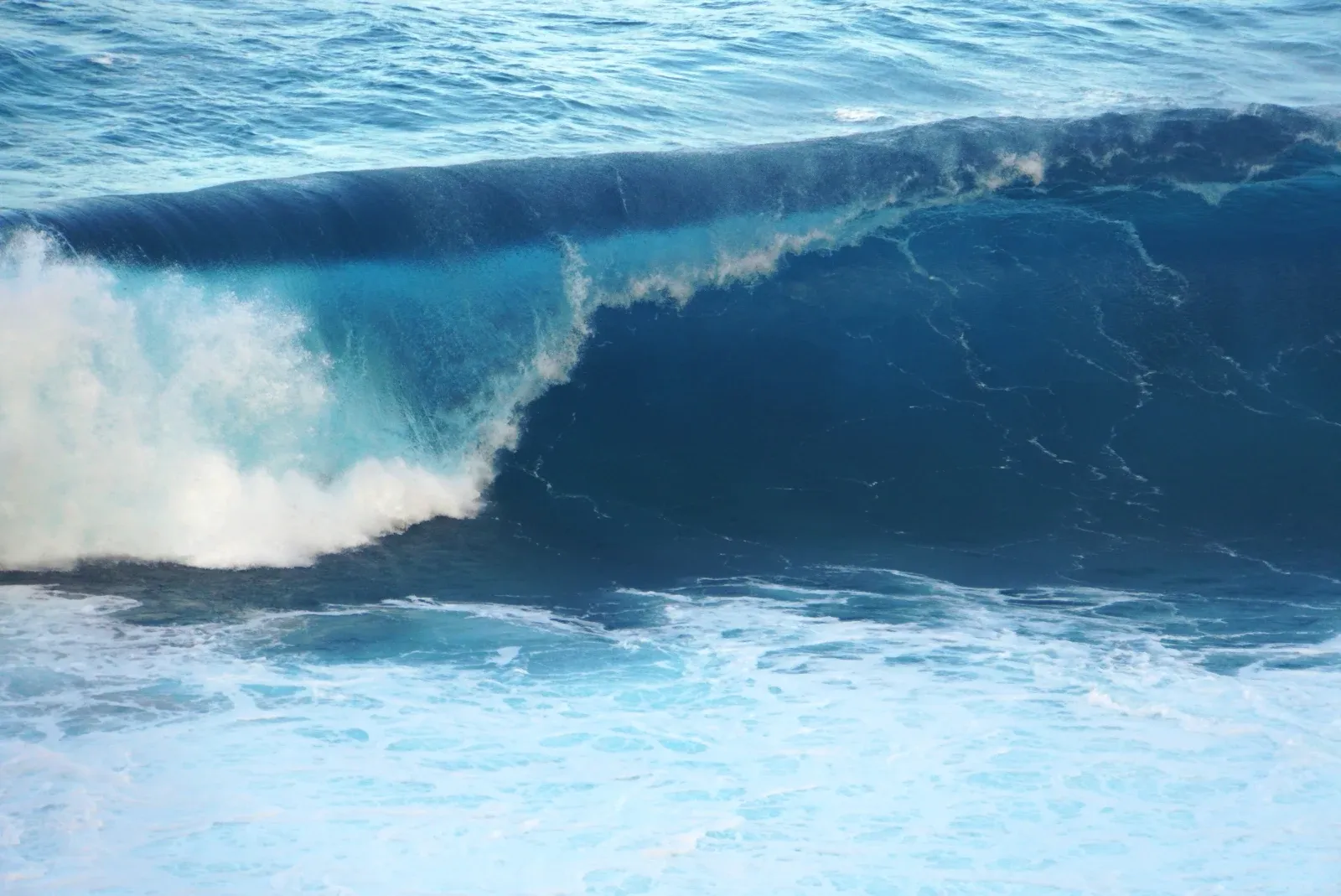
The Marshall Islands are the sort of surf destination that is utterly and genuinely remote. Expect hollow reef breaks, long boat rides, empty line-ups and waves that demand your full attention from take-off to kick-out.
Around Majuro Atoll, surfers can chase fickle passes, fast right-handers and the occasional cleaner window between the trade winds. Further west, Ailinglaplap Atoll delivers the real headline acts, with world-class breaks such as Nirvana, Maybes, Amnesia and The Bowl accessed through one of the world's most exclusive and remote island resorts.
This is not a straightforward surf trip. There are no dedicated surf shops, many breaks sit over shallow coral, and even transporting your board between islands takes a little forward planning.
That said, few places offer this combination of warm water, powerful swell and near-total isolation. For experienced surfers willing to prepare properly, the reward is a Pacific surf adventure with very few spectators and even fewer footprints.
So, wax the step-up, pack more spares than you think you need and dive into our ultimate guide to surfing in the Marshall Islands.
This article is based on real on-the-ground research, not on AI scraping old content from the internet. Learn how we use AI!
Table of Contents
5 Essential Tips for Surfing in the Marshall Islands
Before we jump into the guide, here are a few important things to know about surfing in the Marshall Islands:
- Tell Air Marshall Islands about your surfboard in advance. The airline can accommodate surfboards on domestic flights, but the cargo holds are too small for them. Boards may need to be secured lengthways through the middle of the main cabin, so this is not luggage you want to spring on the crew at check-in. Learn more in Domestic Flights in the Marshall Islands: Your Guide to Interisland Flights.
- Bring your own board and plenty of spare equipment. There are no dedicated surf shops in the Marshall Islands, and replacement fins, leashes, wax and repair supplies can be extremely difficult to find. Pack a reliable everyday board, plus a slightly larger step-up board if you have room.
- Be honest about your ability. Most waves break quickly over shallow coral and are best suited to confident intermediate or advanced surfers. Empty line-ups may look inviting, but they do not make the reef any softer.
- Use local guides and boat transfers. Many of the best breaks around Ailinglaplap Atoll are only accessible through Beran Island Resort, while passes around Majuro Atoll can have strong currents, shifting winds and difficult access. Local knowledge can make the difference between a memorable session and a very long paddle.
- Plan your trip around the main surf season. The most reliable northern swells arrive from October to March, while Beran Island Resort operates from November to April. Book early, check what equipment is available and leave room in your plans for wind or swell changes.
Keep these points in mind and you will be better prepared for one of the most remote surf trips in the Pacific, where the crowds are small, the barrels are fast and the nearest surf shop is nowhere to be found.
.webp?v=2026-07-13T22%3A02%3A46.448Z)
When to Surf: The Best Seasons for Surfing in the Marshall Islands
The surf season in the Marshall Islands is closely tied to winter storms in the North Pacific. Although waves can appear outside of the main season, most surfers plan their trip between November and April, when the country’s only dedicated surf operator, Beran Island Resort, welcomes guests.
Northern Hemisphere Winter
The most consistent surf arrives during the Northern Hemisphere winter, particularly from October to March. Powerful storms associated with the Aleutian Low generate long-period groundswells that travel south across the open ocean before wrapping into the northern and eastern atolls of the Marshall Islands.
These winter systems are responsible for around 90% of the country’s surf. Northern-facing reef passes commonly receive wave faces of three to six feet or more, depending on the size and direction of the swell.
The long journey from the North Pacific also allows the swell to organise into periods of around 12-16 seconds. In simple terms, this gives the waves plenty of deep-water power, producing fast walls, hollow sections and clean barrels as they meet the shallow coral reefs (not exactly the place for a tentative first paddle-out).
The Main Surf Resort Season
Although the broader swell window begins in October, “Beran Island Resort” typically operates from November to April. This makes November to March the safest period to target if you want both reliable swell and access to surf transfers, local knowledge and accommodation.
April sits at the quieter end of the season. There can still be excellent waves, but the consistency of northern swells gradually begins to drop as the North Pacific winter winds down.
Weather and Crowds
Temperatures remain tropical throughout the year, with average daytime highs of around 86°F (30°C) and nighttime lows of approximately 77°F (25°C). You will usually be comfortable in boardshorts or a swimsuit, although a light rash vest offers welcome protection from the sun and reef.
Tourist seasons have little impact on the line-up. The Marshall Islands receive relatively few international visitors and the remote Beran Island sees even fewer, so crowds are unlikely to be the deciding factor when choosing your dates. Here, the swell forecast matters far more than the school holiday calendar.
For more about when to visit, check out The Best Time to Visit the Marshall Islands: A Month-by-Month Guide.
.webp?v=2026-07-13T22%3A02%3A37.195Z)
Where to Surf: Surf Breaks in the Marshall Islands
Surfing in the Marshall Islands is split between the accessible but inconsistent breaks of Majuro Atoll and the more polished reef waves surrounding Beran Island. Majuro offers a handful of local breaks, while staying at Beran Island Resort opens up boat access to several remote and largely uncrowded waves.
Most breaks form over live coral, so conditions should be assessed carefully before paddling out. A local surfer, guide or boat operator can help you judge the swell, wind, tide and currents (all important when the seabed has teeth).
-SEB%20CREDIT%20MarshallIslandsPocketGuide.com-900x506.webp?v=2026-07-09T18%3A25%3A28.217Z)
Surfing in Majuro
Surfing around Majuro Atoll is a bit of a mixed bag, with several accessible reef breaks but plenty of tradewind, shallow coral and fickle conditions to contend with. The waves here are generally less polished than those around Ailinglaplap, but they are easier to reach and give travelling surfers a useful taste of the Marshall Islands’ local surf scene.
Most breaks favour confident intermediate or advanced surfers, although smaller days can be more forgiving.
Bridge
Known locally as Majuro’s marquee wave, Bridge is a fast, hollow right-hander breaking over live coral. It can handle surf from around 2–8 ft (0.6 to 2.4 m) and works across the tides, but the reef is extremely shallow and best for experts. This place has been known to flip boats, people!
Northerly winds and swells from the southeast to southwest create the preferred combination. When the waves are smaller, bodyboarders can enjoy the quick sections, although a missed landing may mean an unwanted meeting with the coral. Reef booties and conservative decisions are sensible here.
Delap
On Majuro’s southeastern corner, Delap breaks in front of the hospital and offers a fun, sectiony right-hander during southerly swells. It is one of the atoll’s more popular waves because it copes better than most with the prevailing northeast trade winds.
The submerged reef works best from mid to high tide, with waves typically ranging from 0.6 to 2.4 m (2-8 ft). Delap is graded for intermediate surfers, but it still breaks over live coral, so “intermediate” should not be mistaken for “reef-proof”.
Rita Pass
At the edge of Rita village, surfers can find occasional lefts and rights breaking on either side of Rita Pass. The waves can be fun when everything lines up, but the spot is highly sensitive to changes in both wind and tide.
Northwest to northeast swells and southerly winds offer the best prospects, while the reef generally works from mid to high tide. Waves range from around 2-6 ft (0.6 to 1.8 m), with rides of approximately 164-328 ft (50-100 m). The live coral bottom and shifting conditions make this one for intermediate surfers who know when to wait.
Calalin Pass
Calalin Pass produces a fickle right-hander beside the main passage into the lagoon. That setting creates strong currents, while the wave is reportedly almost always affected by onshore wind when it breaks during the northern swell season.
The reef can handle waves from around 2–8 ft (0.6 to 2.4 m), but reaching it requires a 22 mi (35 km) boat journey across the lagoon from the anchorage. With the current, coral and awkward access involved, this is not the place for an experimental paddle-out without local boat support.
Laura
At the western end of Majuro Atoll, Laura offers a rare left-hander when southerly swell reaches the reef. The prevailing trade winds blow offshore here, potentially creating cleaner conditions than at many of the atoll’s more exposed breaks.
Just north of the main wave is a reef-strewn, beachbreak-style spot that can become fun and punchy during westerly windswells. Unfortunately, it is often too windy or too small, so Laura is better treated as a bonus than the foundation of a surf trip. Watch carefully for the numerous coral heads before choosing your line.
.webp?v=2026-07-13T22%3A02%3A33.552Z)
Surfing in Ailinglaplap
The remote reef breaks of Ailinglaplap Atoll are accessed through none other than Beran Island Resort, with guided boat transfers taking surfers well beyond the island itself. These waves are powerful, hollow and generally reserved for experienced surfers who are comfortable over shallow coral.
Nirvana
Nirvana sits around 12 nautical miles (22 km) from Beran Island and earns its name. Discovered by legendary surf explorer Martin Daly, this world-class right-hand reef break delivers a highly mechanical, point-style shape with exceptional speed, long walls and pristine barrels.
Reaching the wave requires a private boat charter from Beran Island Resort, with the journey taking approximately 20-30 minutes aboard one of the resort's surf tenders. Nirvana is demanding even when conditions look clean, so this is firmly a wave for experienced surfers rather than an easy tropical warm-up.
Maybes
Maybes doesn't give much away. Sitting around 11 nautical miles (20 km) from the Beran Island wharf, this ultra-remote and powerful reef break is accessible only by private boat or charter through Beran Island Resort, keeping the line-up limited to a small number of resort guests and guides.
The wave is highly demanding and best suited to experienced surfers who are comfortable with speed, power and shallow reef. Its isolation is a major part of the appeal, but it also means surfers need to arrive prepared, listen carefully to their guide and avoid treating the empty line-up as an invitation to take unnecessary risks.
Amnesia
Few waves in the Marshall Islands announce themselves quite like Amnesia. Heavy, hollow and fast-breaking, it wraps around the coral in Ailinglaplap Atoll with the kind of urgency that tends to clear your head rather than cloud it. Guided boat charters from Beran Island Resort are the only reliable way to reach the take-off zone safely.
The wave's wrapping shape creates fast sections and deep barrels, making it better suited to confident, experienced surfers. Conditions can become serious quickly, particularly over shallow coral, so local knowledge is essential. Amnesia may be uncrowded, but the reef certainly does not care how many people are watching.
The Bowl
At approximately 4 nautical miles (7 km) from the Beran Island wharf, The Bowl is one of the more accessible waves on offer from "Beran Island Resort". The boat ride takes around 10-15 minutes, which, by remote Marshall Islands standards, practically counts as a short commute.
Its character changes considerably with the tide. Higher water can produce longer, more playful shoulders, while lower tides create heavier, top-to-bottom rides with far more consequence. Surfers should follow the resort guides when choosing the right window, as the same wave can shift from inviting to intimidating surprisingly quickly.
-PI%20CREDIT%20MarshallIslandsPocketGuide.com.webp?v=2026-07-09T18%3A43%3A56.524Z)
Surfboard Hire, Surf Shops and What to Pack
There are no dedicated surf shops in the Marshall Islands, so do not arrive expecting to build a quiver after landing.
7 Degrees North Marine, inside the K&K Island Pride Supermarket complex in Delap, Majuro, sells marine clothing, snorkelling equipment and dive gear, but little in the way of specialist surf equipment.
Rental boards are available for guests staying at Beran Island Resort. However, we still recommend checking the available board sizes and styles before travelling, particularly if you are particular about what you ride.
Whenever possible, bring the boards you would normally use in similar reef conditions. A slightly larger step-up board is also worth packing for bigger days, especially if you only have room for one additional board.
Backup equipment is just as important. Replacement surf gear can be difficult or impossible to find locally, while the remote breaks around Beran Island are not exactly within walking distance of a fully stocked repair shop.
What to Pack for Surfing in the Marshall Islands
- 1 all-rounder surfboard
- 1 slightly larger step-up board
- 1 pair of reef shoes or booties
- 1 or two rash vests (we like sustainable Sharkskin rashies)
- 2 bottles of reef-safe sunscreen (see our Best & Reef-Safe Sunscreens)
- Tropical surf wax
- Ding repair kit
- Spare leashes
- Extra fins and fin keys
- Board bag
- A small first-aid kit for reef cuts
Pack particularly carefully when travelling beyond Majuro. Once you are on Beran Island, forgetting your favourite fins becomes considerably more inconvenient than a quick trip back to the garage.
For the rest of your luggage, see our Marshall Islands Packing List: What to Pack for the Marshall Islands.
.webp?v=2026-07-13T22%3A01%3A43.309Z)
Surf Resorts in the Marshall Islands
Surf accommodation in the Marshall Islands is about as exclusive as the line-ups, with just one dedicated surf resort catering to travelling wave hunters. For access to the remote breaks of Ailinglaplap Atoll, Beran Island Resort is the place to stay. (Come on, you could have guessed where this was going).
Beran Island Resort
Open from November to April, Beran Island Resort has eight air-conditioned rooms, with four upstairs and four downstairs. Each room comes with a king bed by Casper, organic linens by Coyuchi, an ensuite bathroom and an oversized ceiling fan by Haiku.
Despite the remote setting, comfort is well covered. A 28-kilowatt solar array and 20-kilowatt wind turbines provide power around the clock, while wraparound decks give guests panoramic ocean views and a front-row seat for checking the morning swell.
The shared kitchen and living area form the social heart of the resort, where Chef Mango prepares three fresh meals each day. Snacks and coffee are available at all hours, while meals, house wines, spirits and beers are included in the stay, with speciality diets accommodated.
Surfing is the main attraction, but scuba diving, snorkelling, kitesurfing and wing foiling are also included. Most activities are available directly from the island’s dock or via a short boat transfer, making it easy to swap barrels for bubbles when the swell takes a breather.
More About Surfing in the Marshall Islands
That's it for our ultimate guide to surfing in the Marshall Islands! Although we've hit many of these links already in this Marshall Islands surf guide, here's a quick reminder of some tips you might be interested in:
- The Guide to Kayaking & Paddleboarding in the Marshall Islands
- 10 Best Beaches in the Marshall Islands
- The Complete Travel Guide to the Marshall Islands
Finally, when you're not surfing, make sure you tick some of these off the 101 Best Things to Do in the Marshall Islands: The Ultimate List.

-S%20CREDIT%20MarshallIslandsPocketGuide.com-900x345.webp?v=2026-07-23T03%3A40%3A08.241Z)
-SEB%20CREDIT%20MarshallIslandsPocketGuide.com-900x506.webp?v=2026-07-19T00%3A06%3A29.505Z)