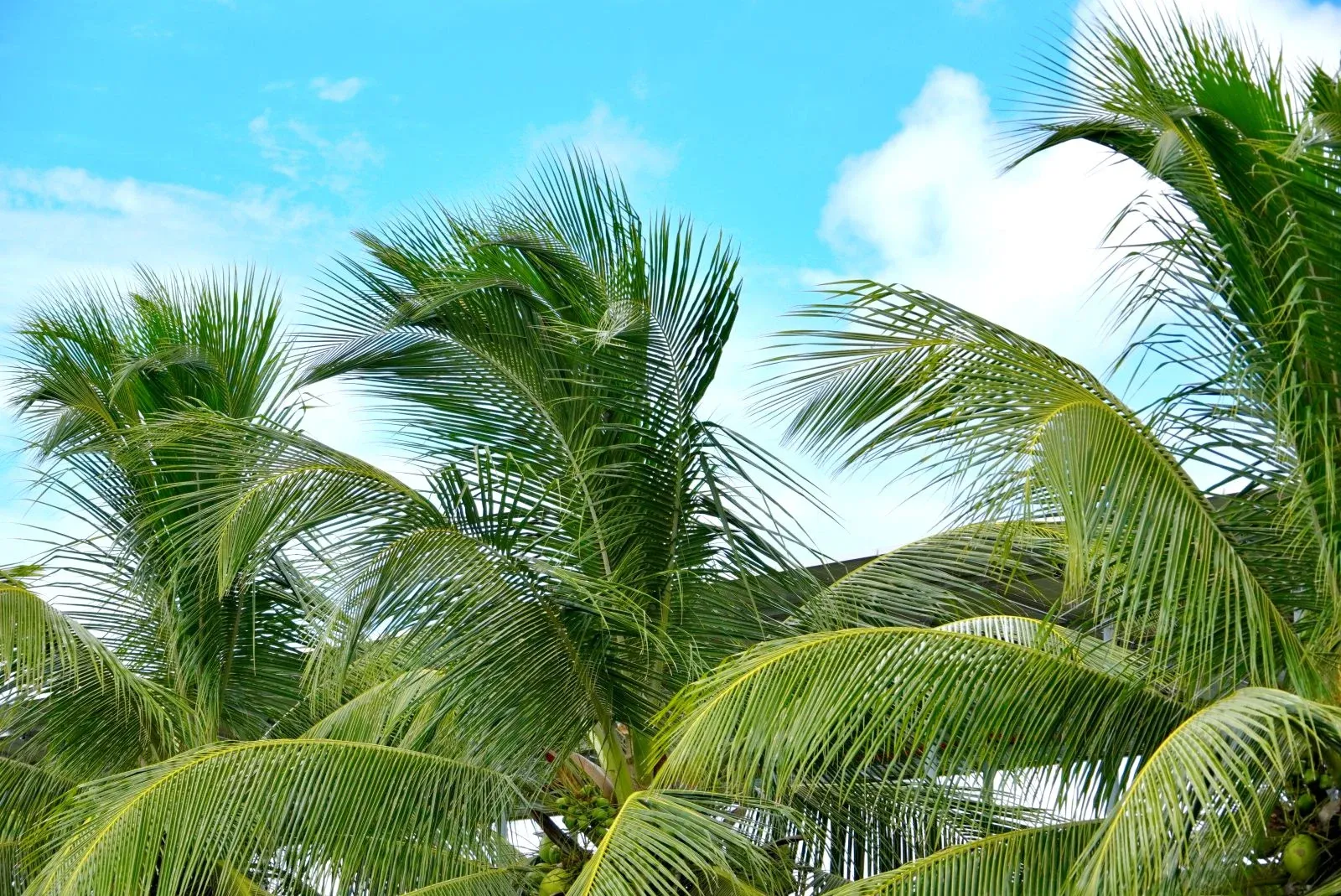
What is the Weather Like in Marshall islands in July
July brings a thoroughly tropical mix to the Marshall Islands, with warm seas, humid days and regular bursts of rain. Conditions can be changeable, particularly when boat trips and outer-atoll travel are involved, but that does not mean every day will be a washout.
Knowing what the month usually brings can help you make the most of both the sunny and showery periods. In this guide, we look at July’s temperatures, sunshine, rainfall and tropical storm conditions, followed by tips on where to visit and what to include in your luggage.
Before we jump into this weather guide for July, be sure to bookmark Marshall Islands Weather, Seasons & Climate + Marshall Islands Weather by Month, as well as The Best Time to Visit the Marshall Islands: A Month-by-Month Guide for more advice.
This article is based on real on-the-ground research, not on AI scraping old content from the internet. Learn how we use AI!
Table of Contents
5 Tips for Visiting Marshall Islands in July
- Keep your plans flexible if you’re hoping to visit outer atolls. Rain, wind and sea conditions can affect boat transfers and local flights, so it’s best not to plan tight connections.
- Pack for both sun and sudden showers. A dry bag and quick-dry clothing will make lagoon trips, beach walks and town exploring much less of an issue.
- 1 July is Fisherman's Day, a national public holiday. Catch the weigh-ins for the fishing competition over the weekend and be aware that some businesses will be closed.
- Plan outdoor activities earlier in the day where possible. July can feel hot and humid, so midday is better saved for shade, lunch or a slower wander.
- Take sun protection seriously, even when clouds are around. In the tropics, “it’s cloudy” is not a sunscreen strategy (your shoulders will have opinions).
-SEB%20CREDIT%20MarshallIslandsPocketGuide.com-900x507.webp?v=2026-07-09T18%3A28%3A30.339Z)
Typical Temperatures in July
July is hot in the Marshall Islands, with daytime temperatures reaching around 86°F (30°C) and night-time temperatures sitting at about 77°F (25°C). In other words, it’s warm from breakfast to bedtime, so pack light clothing and plan your shade breaks wisely.
Temperatures Across the Marshall Islands
- Majuro - The average maximum temperature is 86°F (30°C) and the minimum average temperature is 77°F (25°C)
- Enewetak - The average maximum temperature is 87.8°F (31°C) and the minimum average temperature is 77°F (25°C)
- Kwajalein - The average maximum temperature is 87.8°F (31°C) and the minimum average temperature is 77°F (25°C)
Sea Temperatures in July
The sea is beautifully warm at around 84°F (29°C), making July a comfortable month for swimming, snorkelling and lagoon-based activities.
-SEB%20CREDIT%20MarshallIslandsPocketGuide.com-900x506.webp?v=2026-07-09T19%3A03%3A21.331Z)
Hours of Sun in July
The Marshall Islands gets around 7 hours of bright sunshine per day in July, which works out to about 56% of daylight hours. With roughly 12 hours of daylight each day, there’s still plenty of time for lagoon trips, beach walks and lazy outdoor exploring.
That said, July is not cloud-free. The Marshall Islands is predominantly cloudy year-round, with overcast or mostly cloudy conditions averaging between 75% and 85% of the time.
You can expect some rainfall on around 19 days of the month, so the sunshine often comes between passing showers rather than in one flawless blue-sky stretch (tropical weather likes to keep things interesting).
UV Levels During July
The UV index can reach 11+ (Extreme), so even when clouds drift through, sun protection is essential. Wear sunscreen, cover up where you can and take shade breaks during the middle of the day.
For advice on what sunscreen to wear, see The Best Sunscreens for the Marshall Islands + Sun Protection Tips.
Sunrise and Sunset During July
July has daylight hours lasting about 12 hours a day in the Marshall Islands.
- Sunrise: 6:22 am at the beginning of July and 6:28 am at the end of July
- Sunset: 6:55 pm around the middle of July and 6:54 pm at the end of July.
-SEB%20CREDIT%20MarshallIslandsPocketGuide.com-900x601.webp?v=2026-07-25T02%3A30%3A03.743Z)
Rainfall in July
July is a showery month in the Marshall Islands and, we’re not going to beat around the bush, you should expect rain to make an appearance.
Nevertheless, tropical rainfall patterns are often swift, followed by sunshine, so a rainy morning doesn’t always mean the whole day is a write-off.
If you need a rainy day backup for a couple of hours, check out the ideas in 10 Things to Do in the Marshall Islands on a Rainy Day.
The Marshall Islands receives an average of 11.3 in (288 mm) of rainfall in the month of July, with around 19 days out of July experiencing some rain.
Average Rainfall Across the Marshall Islands
- Majuro - The average rainfall in July is 11.3 in (288 mm)
- Enewetak - The average rainfall in July is 9.6 in (245 mm)
- Kwajalein - The average rainfall in July is 10.4 in (263 mm)
-IC%26C%20CREDIT%20MarshallIslandsPocketGuide.com-900x601.webp?v=2026-07-09T18%3A48%3A42.332Z)
Tropical Storms in July
The Marshall Islands sits in the North Pacific typhoon region, and July falls within the broader period when tropical systems can develop in this part of the Pacific.
Tropical weather can bring heavy showers, squally winds, rough seas and disruption to boat or flight schedules, especially when travelling between atolls.
In July 2015, Typhoon Nangka made its presence felt across the region, first affecting the Marshall Islands and bringing strong winds to the capital Majuro. Half of the city lost power, and several boats were sunk.
Compared with the later stormier months, July is not always the highest-risk time for severe tropical storms in the Marshall Islands, but it is still a month when travellers should pay attention to forecasts and marine warnings.
However, weather can change quickly in this part of the Pacific, so it's worth keeping an eye on local updates and taking any advice from accommodation hosts, boat operators or local authorities seriously.
For those planning to travel during July, be aware of what to do if there is a tropical storm or typhoon alert by following our guide, Typhoon Safety in the Marshall Islands: How to Prepare for a Typhoon in the Marshall Islands.
%20CREDIT%20MarshallIslandsPocketGuide.com-900x506.webp?v=2026-07-10T20%3A40%3A29.223Z)
The Best Places to Visit in Marshall Islands in July
July sits firmly within the wetter and less predictable part of the year, so it is best to keep your plans close to Majuro Atoll. The capital, its lagoon islands and nearby Arno offer plenty to experience without depending on long domestic flights or complicated outer-atoll journeys.
You are likely to enjoy your trip wherever you go, but if we had to choose the best places to visit in the Marshall Islands in July, they would be the following.
Majuro Atoll: Majuro is the most practical base in July, with the country’s widest choice of accommodation, restaurants and activities. Museums, markets, murals and historic sites provide useful options on showery days, while clearer weather opens the door to diving, snorkelling and lagoon trips.
When conditions allow, escape to islands such as Eneko and Bokanbotin for beaches, swimming and a much quieter pace than the main road. Visit for the day or stay overnight to enjoy the lagoon after other visitors have headed back to town.
Compare your options in 5 Island Day Trips & Island-Hopping Tours in the Marshall Islands and 10 Best Hotels & Resorts in the Marshall Islands.
For more ideas on the main atoll, see The Complete Travel Guide to Majuro and 30 Best Things to Do on Majuro.
Arno Atoll: Nearby Arno Atoll remains the most realistic outer-atoll option in July. Its beaches, lagoon scenery and village communities offer a rewarding change of pace without taking you too far from Majuro.
Boat crossings depend heavily on the weather, so confirm the forecast, departure time and return arrangements before leaving. Plan the journey with Majuro to Arno Atoll by Boat: Fares, Schedules & Tips.
%20CREDIT%20WallisandFutunaPocketGuide.com-900x601.webp?v=2026-04-19T19%3A19%3A55.259Z)
July Packing List for the Marshall Islands
Be prepared for the Marshall Islands in July by packing these few seasonal essentials:
- High-factor reef-safe sunscreen
- Light bamboo, linen or merino layers (we like the sustainable bamboo clothing of Moso Morrow)
- Light long-sleeved tops (to cover from sun and mosquitoes)
- Light pants/trousers (to cover the knees when appropriate – villages, church service, etc.)
- Sunhat
- Sunglasses
- Insect repellent
- Swimwear
- Rash vest (we like the UV-protecting Sharkskin rashies)
- Flip-flops/jandals/sandals
- Drypack (protect electronics in case it rains - we recommend these from Sharkskin)
Get more ideas on what to pack with our guide, What to Pack for the Marshall Islands: the Marshall Islands Packing List.
More About the Weather in the Marshall Islands in July
That's it for our complete guide to the weather and climate in the Marshall Islands in July. Check out the following articles for more weather advice:
- Marshall Islands Weather, Seasons & Climate + Marshall Islands Weather by Month
- The Best Time to Visit Marshall Islands: A Month-by-Month Guide
- Marshall Islands Weather in June
- Marshall Islands Weather in August
- Marshall Islands Weather in September
Finally, enjoy a comprehensive guide to planning a trip to Marshall Islands in The Complete Travel Guide to the Marshall Islands.

-SEB%20CREDIT%20MarshallIslandsPocketGuide.com-900x633.webp?v=2026-07-23T03%3A25%3A07.979Z)