A Guide to Passing Through Immigration, Customs and Quarantine in Majuro and the Marshall Islands
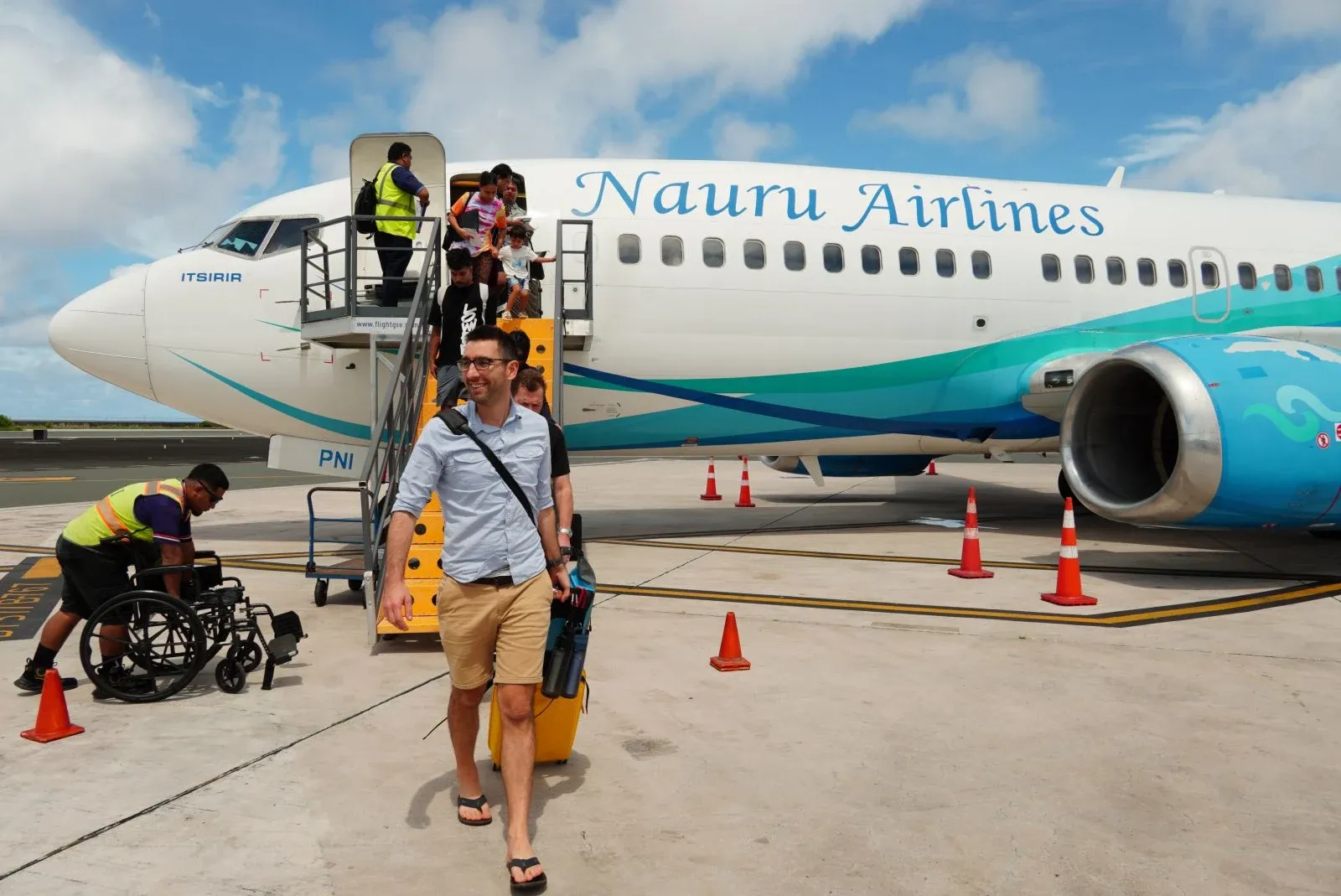
Arriving in the Marshall Islands is refreshingly straightforward, but there are a few important steps between stepping off the plane and reaching your hotel in Majuro. At Amata Kabua International Airport, you will pass through Immigration, collect your baggage, then clear Customs and Quarantine.
You will need your passport, accommodation details, return or onward ticket and completed Customs Declaration Form ready. Officers may also ask where you have travelled from, how long you are staying and whether you are carrying food, plants, expensive equipment or other declarable goods.
The airport itself is small and easy to navigate, although facilities are very limited. There is no ATM or foreign currency exchange, so arrive with enough US dollars for your transfer and first expenses (this is not the place for a last-minute banking miracle).
In this complete Marshall Islands arrival guide, we explain the full arrival process, what to declare, what happens if restricted goods are found and how to get from the airport to your accommodation without unnecessary delays.
This article is based on real on-the-ground research, not on AI scraping old content from the internet. Learn how we use AI!
Table of Contents
Passport, Accommodation Booking and Outbound Travel Confirmation for the Marshall Islands
The first thing you will need to organise for your trip is a valid passport. It must remain valid for at least six months after your intended departure date from the Marshall Islands.
You should also have the following documents and details ready:
- A confirmed return or onward ticket out of the Marshall Islands
- Any visas required for your onward destination
- Confirmation of your accommodation in the Marshall Islands
- The name, address and contact details of where you will be staying
The arrival declaration form asks for your accommodation details, while the Republic of the Marshall Islands Division of Immigration requires visitors to hold a confirmed return or onward ticket. Keep digital or printed copies within easy reach, rather than buried beneath three snorkels and your emergency biscuit supply.
Visa requirements depend on your passport, so check the Marshall Islands Visa Guide: Do You Need a Visa to Visit? before travelling.
Do You Need Vaccinations to Visit the Marshall Islands?
No, you do not need any specific vaccinations to enter the Marshall Islands, unless you're coming from an area with yellow fever or cholera. Children under the age of four years old also may need to show proof of an MMR or measles vaccination.
In addition, it is sensible to make sure your routine vaccinations are up to date before travelling, particularly if you will be visiting remote atolls where medical services are limited.
We list the recommended vaccines for a visit to the Marshall Islands in Do You Need Vaccines to Travel to the Marshall Islands?
Packing for Majuro and the Marshall Islands
Before departing for Majuro, check which items are prohibited, restricted or need to be declared. It is also worth cleaning used footwear, camping gear, fishing equipment and other outdoor equipment before packing, as soil and plant matter can attract extra attention at Quarantine.
Border officers take food, plants, animals and high-value equipment seriously. An X-ray machine is used at the airport, so the safest approach is simple: when in doubt, declare it (your secret mango is unlikely to outsmart airport technology).
What You Can’t Bring into the Marshall Islands
Do not pack any of the following prohibited items (because, why would you?):
- Narcotic drugs
- Firearms, switchblade knives, gravity knives and butterfly knives
- E-cigarettes, including devices intended solely for personal use
- Medical marijuana, even when accompanied by a valid US medical prescription
- Seedlings, plants or fresh flowers with soil attached
- Pets without a pre-approved import permit and valid, up-to-date vaccination records
That's right, E-cigarettes are banned in the Marshall Islands.
Plants and seedlings with soil attached may be confiscated and destroyed immediately. Fresh flowers without soil may be permitted, but you should still declare them.
Restricted Goods and Duty-Free Allowances
Some goods are allowed within set limits. Declare them when you exceed the following personal allowances:
- Alcohol: Up to 67.6 fl oz (2 L) of distilled alcoholic beverages that are not intended for sale
- Cigarettes: Up to 15 packs
- Cigars: Up to 75 cigars
- Smoking tobacco: Up to 8 oz (227 g)
- Personal goods: Clothing, toiletries, personal jewellery and medicinal preparations with a combined value of up to US$300
- Gifts: Goods with a combined value of up to US$300
- Currency: Cash exceeding US$10,000 or the equivalent in foreign currency
These allowances apply to personal items rather than goods intended for resale or commercial use. Carrying more does not necessarily mean the goods are prohibited, but you must declare them and may need to pay duty.
Food, Plants and Animal Products
Fresh fruit and vegetables must be declared and generally require an import permit obtained before arrival. The permit fee is US$5.
Produce arriving from Guam or Hawai'i receives particular attention because of the risk of fruit flies, with mangoes among the items most likely to be questioned. Apples, mangoes and other fresh fruit should never be packed without first arranging the appropriate permit.
You should also declare:
- Honey, which requires an import permit
- Packaged food, including chocolate, snacks and other processed products
- Flowers without soil
- Holy water
- Handicrafts, shells and wooden items
- Meat products, plants, birds, snails and live animals
Packaged snacks are generally permitted, but declaring them avoids an awkward conversation beside the baggage X-ray. Imported shells, wooden articles and natural handicrafts may require an import permit, while items that originated in the Marshall Islands are generally permitted.
Cameras, Drones and Expensive Equipment
Declare expensive equipment such as cameras, drones and professional filming gear, even when you intend to take it home at the end of your trip.
Temporary imports are not usually subject to duty when the equipment leaves the country with you. However, Customs may require a security bond equal to 8% of the item’s value, which should be refunded when you depart with the equipment.
Keep the declaration paperwork and bond receipt safe, as you may need to present them before receiving the refund. Groups planning commercial filming on the outer islands should contact Customs before travelling.
For drone-specific advice, see Flying a Drone in the Marshall Islands: What You Need to Know.
Bringing Donations
Travellers bringing large quantities of books, school supplies or other donated goods need a letter from the receiving organisation.
The letter should confirm that the school, charity, NGO or government ministry has agreed to accept the donation. Turning up with several boxes and a generous smile is not enough, so arrange the paperwork before departure.
For everyday clothing, toiletries and travel accessories, see What to Pack for the Marshall Islands: The Marshall Islands Packing List.
-%20BNCC%20CREDIT%20MarshallIslandsPocketGuide.com-900x601.webp?v=2026-07-07T21%3A06%3A17.433Z)
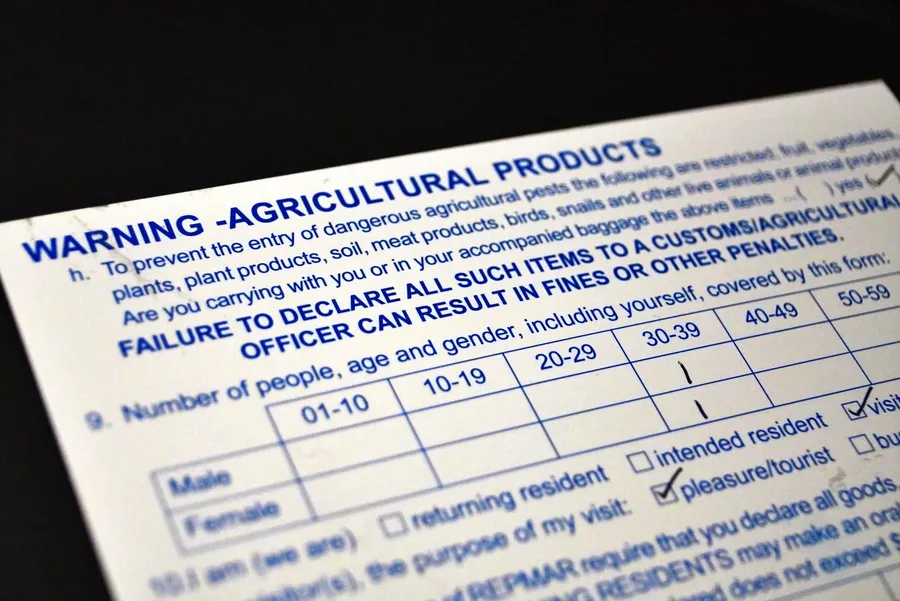
The Marshall Islands Customs Declaration Form
The first step in the arrival process is completing the Marshall Islands Customs Declaration Form. Keep your passport, flight details and accommodation information handy, as the form asks for your name, date of birth, passport number, country of issue, accompanying family members and the address or name of your hotel or apartment.
You will also need to provide your flight number, where your journey originated and any destination you travelled through. The form asks how many people it covers, including their ages and genders, meaning you can share the one form if you're a family or a couple, for example.
The form also asks whether you are a resident or visitor and whether your visit is for tourism, business or another purpose.
The declaration includes a series of Yes/No questions asking whether you are carrying:
- Prohibited goods, including narcotic drugs and certain weapons
- Alcohol or tobacco over the duty-free allowance
- Personal clothing, toiletries, jewellery or medicinal preparations worth more than US$300
- Gifts worth more than US$300
- Commercial samples or demonstration goods
- More than US$10,000, or the equivalent in foreign currency
- Fruit, vegetables, plants, soil, meat, animal products or live animals
The agricultural section, listed as Item H, is especially important. It asks about fruit, vegetables, plants, plant products, soil, meat products, birds, snails and other live animals or animal products. However, the space provided on the form is limited, so tell a Quarantine or Customs officer verbally when you have additional goods to declare.
Declaring an item does not automatically mean it will be confiscated, it simply gives officers the chance to inspect it and confirm whether it can enter.
You may also need to list goods acquired outside the Marshall Islands and state their value. Returning residents may make an oral declaration when the total value does not exceed US$300 per person.
Finally, sign and date the form to confirm that your answers are complete and truthful. Keep it with your passport until an officer asks for it, and remember that baggage, handbags and hand-carried parcels may be opened, examined or X-rayed.
Failure to declare prohibited, restricted or high-risk goods can result in confiscation, fines or other penalties. Make declarable items easy to reach rather than packing them beneath your entire holiday wardrobe.
-SE%20CREDIT%20MarshallIslandsPocketGuide.com.webp?v=2026-07-07T21%3A06%3A26.098Z)
Immigration / Passport Control
On arrival, all passengers pass through Immigration and passport control. Have your passport, completed Customs Declaration Form, accommodation details and return or onward ticket ready to show.
The officer may ask where you have travelled from, how long you plan to stay, where you are staying and the purpose of your visit. These are standard arrival questions, so keep your answers clear and make sure they match the information on your declaration form.
A photograph of you will also be taken using a webcam as part of the usual passport-control process.
Travellers who require a visa must arrange it before arriving. Passengers without the correct visa may be refused entry, so check our Marshall Islands Visa Guide: Do You Need a Visa to Visit? well before your flight.
Once your passport has been checked and entry has been approved, you can continue to the baggage claim area to collect your luggage.
-BI%20CREDIT%20MarshallIslandsPocketGuide.com-900x601.webp?v=2026-07-07T21%3A06%3A23.829Z)
Passing Through Customs and Quarantine in Majuro and the Marshall Islands
Collect your bags, which are typically lined up in the Baggage Claim area, rather than on a carousel. Then, you will proceed through Customs and Quarantine. Hand your completed Customs Declaration Form to the officer, who may ask questions based on the answers you provided.
Your baggage may be directed through an X-ray machine or opened for inspection. Make anything you have declared easy to reach, rather than burying it beneath your entire holiday wardrobe.
Declaring Risk Goods
This is your final opportunity to declare any restricted, high-value or agricultural goods in your possession or accompanied baggage. Declarable items include:
- Prohibited or restricted goods
- Alcohol and tobacco above the permitted allowances
- Personal goods or gifts worth more than US$300
- Commercial samples and demonstration equipment
- More than US$10,000, or the equivalent in foreign currency
- Expensive cameras, drones and professional equipment
- Fruit, vegetables, plants, soil, meat and animal products
- Birds, snails, pets and other live animals
- Honey, flowers, shells, handicrafts and wooden items
Again, tell the officer verbally about any additional items you need to declare, especially if there wasn't space to write them down on the Customs Declaration Form.
Declaring something does not automatically mean it will be confiscated. It gives the officer an opportunity to inspect the item, check whether an import permit is required, and confirm whether it can enter the Marshall Islands.
Fresh produce, plants, honey and pets may require permits arranged before arrival - email rmiquarantine@gmail.com. An import permit only costs US%5.
High-value equipment may also be treated as a temporary import, with Customs potentially requesting an 8% security bond that is refunded when you depart with the equipment.
Failure to declare prohibited, restricted or high-risk goods can result in confiscation, fines or other penalties.
What Happens if Risk Goods Are Found in Your Baggage?
Baggage arriving in Majuro may be screened using the airport’s X-ray machine or opened for inspection by Customs and Quarantine/Biosecurity officers. Trust us, officers have been regularly detecting and confiscating undeclared items, so hoping your mangoes will fly under the radar is not a winning strategy.
Agricultural and Biosecurity Items
Prohibited agricultural goods are confiscated and destroyed immediately. This includes seedlings and plants with soil attached, fresh flowers with soil and food or plant products brought in without the required import permit.
You cannot apply for an import permit after landing. If an item requires a permit and you arrive without one, it will not be cleared through Quarantine.
Items accompanied by a valid import permit and phytosanitary certificate will be inspected before being released. Flowers without soil may be allowed, but you should still declare them.
The Marshall Islands does not currently use a fixed on-the-spot biosecurity fine similar to Australia and New Zealand’s system. However, the Customs Declaration Form warns that failing to declare restricted agricultural goods can still result in fines or other penalties.
Prohibited Goods
Narcotics, firearms, prohibited knives, e-cigarettes and other banned goods may be confiscated. E-cigarettes are prohibited entirely, including devices brought for personal use.
Importing or transporting narcotic drugs can result in a fine of US$5,000-$50,000, imprisonment for one to 15 years and the seizure of property.
Knowingly providing false written or verbal information to border officials can also carry serious penalties. False statements may result in up to three years’ imprisonment or a fine of up to US$5,000, while forged or misleading documents may result in up to five years’ imprisonment or a fine of up to US$7,000.
Undeclared Cameras and Expensive Equipment
If Customs finds undeclared cameras, drones or professional equipment, officers may apply a security bond equal to 8% of the item’s assessed value.
The bond is refunded when you leave the Marshall Islands with the equipment. If you leave the item behind, the bond may be forfeited.
Commercial filming groups planning to work on the outer islands should contact Customs before travelling to arrange clearance.
Out-of-Hours Inspections
Customs inspections carried out outside standard office hours, from 8 am to 5 pm Monday to Friday, may attract an additional fee, ranging from US$75-$100 depending on the government department.
When in Doubt, Declare
The advice from Quarantine officers is straightforward: declare everything that could be restricted. The agricultural section of the declaration form is small, so tell an officer verbally when there is not enough room to list all of your items.
Declaring an item gives officers the chance to inspect it and explain your options. Failing to declare it gives the airport X-ray machine the chance to start the conversation instead.
-%20BNCC%20CREDIT%20MarshallIslandsPocketGuide.com-900x601.webp?v=2026-07-07T21%3A07%3A00.533Z)
After Customs and Quarantine
After clearing Customs and Quarantine, you will enter the public area of Amata Kabua International Airport in Majuro. The terminal is compact and easy to navigate, but its facilities are very limited, so this is not an airport where you will want to arrive expecting a full shopping arcade and three competing coffee chains.
Most importantly, there is no ATM or foreign currency exchange for international travellers. Although there is a Bank of the Marshall Islands branch at the airport, it provides local banking services only, so at least bring US dollars enough for your transfer and immediate expenses, if not extra for back-up.
The airport has toilets, a café, a bar and a few gift shops, but some businesses open only for the United Airlines flights. It is best not to rely on the terminal for essential shopping, meals or other arrival services.
Airport Transfers
Arrange your airport transfer before arrival wherever possible. Some accommodation providers offer complimentary pick-ups, while paid hotel transfers generally cost around US$15-US$20 per person each way.
Taxis sometimes stop outside the terminal, but one may not be waiting when you emerge from arrivals. They operate as shared transport and typically cost around US$8-US$15 per person to the Delap-Uliga-Djarrit area, so pre-booking a driver is the safer option.
There are no car rental desks inside the airport. Some rental companies can deliver a pre-booked vehicle to the terminal, usually for an airport delivery fee of around US$10-US$30.
For all transport options, see the 5 Best Airport Transfers in Majuro and the Marshall Islands.
Changes Coming to Majuro Airport
Major changes are planned for the airport, with development underway to upgrade the terminal and eventually separate domestic and international operations. Facilities and passenger routes may therefore look different over the coming year, so follow airport signs and staff instructions when you arrive.
More About Marshall Islands Airport Customs, Biosecurity and the Arrival Process
That's it for our complete guide to the Marshall Islands airport arrival process, along with what you need to do to pass through customs and quarantine. For more on the subject, check out our other arrivals guides:
- The Duty-Free Allowances for the Marshall Islands
- Which Airlines Fly Directly to the Marshall Islands?
- Marshall Islands Transport Guide: 10 Best Ways to Get Around
Finally, don't miss a thing about planning a trip to the Marshall Islands by checking out The Complete Travel Guide to the Marshall Islands.

-SEB%20CREDIT%20MarshallIslandsPocketGuide.com-900x633.webp?v=2026-07-23T03%3A25%3A07.979Z)